Technology and Science04 September, 20263 min read
Israel Shuts Down Most Desalination Plants After Extreme Weather Increases Seawater Turbidity
This article is an automated aggregation of coverage from news outlets. Our editorials offer in-depth analysis curated by the NewsCord team.
Five of six coastal desalination plants offline due to seawater turbidity from a microalgae bloom. Water supply disruptions threaten drinking water and agricultural irrigation across Israel.
19 outlets told this the same way.
Turbidity shuts plants
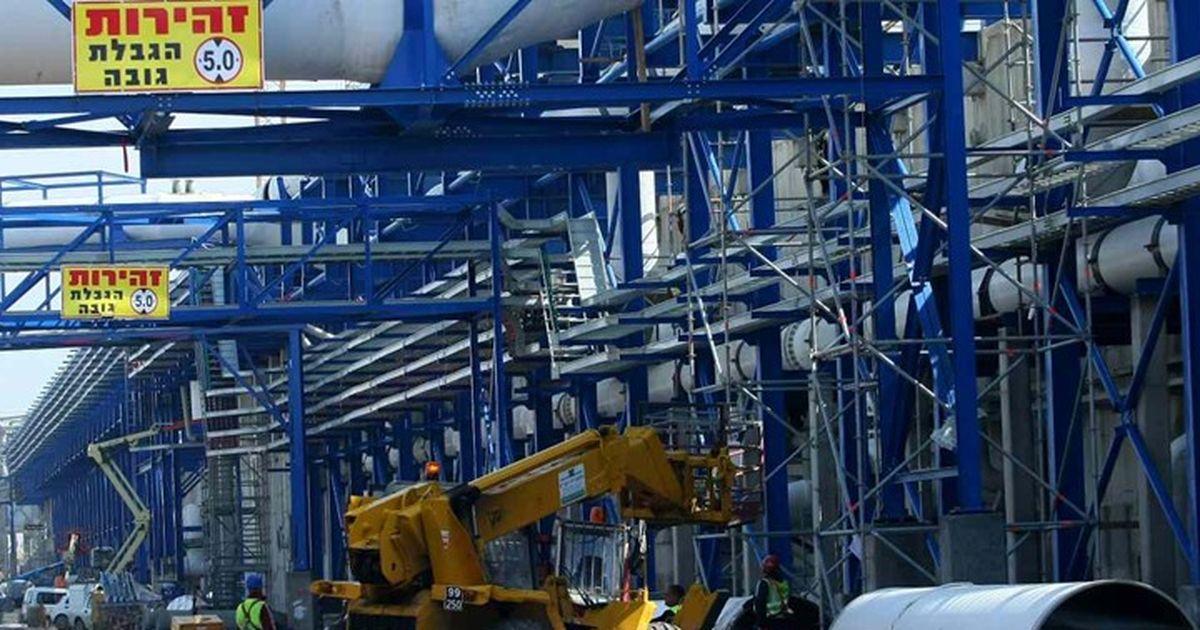
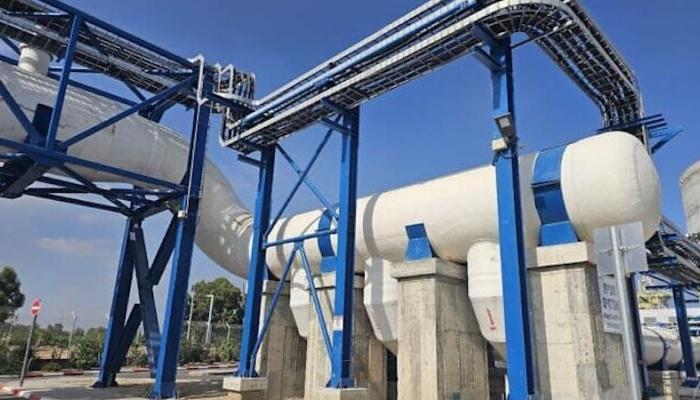
Five of Israel’s six desalination plants along the Mediterranean coast were shut down again on Tuesday, disrupting drinking water supplies and agricultural irrigation, according to government statements and local media reports. The Ministry of Energy and Infrastructure said most plants were shut down again on Tuesday morning after re-operating overnight because extreme weather had increased seawater turbidity, making desalination difficult. It said the desalination stations went offline on Saturday due to high turbidity caused by microalgae carried to Israel’s southern coast by waves.
Israel’s Farmers Federation warned that disruptions during the growing season could seriously damage vegetables and orchards nearing harvest, potentially affecting hundreds of farms. Energy Minister Eli Cohen said Israel has sufficient water supplies and that authorities would ensure regular supplies to homes, while efforts were underway to increase pumping and drilling from the Sea of Galilee.

Farmers face collapse
The shutdown threatened approximately 20,000 dunams of vegetable crops in Nitzana near the Egyptian border, where the area produces roughly 2 million tons of vegetables, according to the Ramat Negev Regional Council. Eran Doron, head of the Ramat Negev Regional Council, told Calcalist that the crisis required about 1,500 cubic meters of water per hour for irrigation, but Mekorot was supplying only 300-500 cubic meters per hour Tuesday morning. Doron warned, “If water is not pumped in the coming hours, like injecting oxygen into a patient, the entire season will collapse,” and said the result would be “There will be no vegetables, the cost of living will rise, and dozens of farming families will enter a huge economic crisis.”
He said the crisis poses a broader threat to food security, the cost of living, and fresh food production, as well as harm to farmers’ livelihoods and the economic future of the region. The Water Authority defined the event as exceptional and said it was examining whether it was caused by rough seas combined with a large drift of algae from the Nile region, based in part on an analysis of satellite images.
No cyberattack, more risk
Israel’s National Cyber Directorate said the incident was not the result of a cyberattack targeting critical infrastructure, stressing that the malfunction was caused solely by unusual weather conditions affecting the region. Israel’s Water Authority and the Ministry of Energy and Infrastructure also said the shutdowns were due to abnormal turbidity in the seawater that prevented the facilities from operating without endangering their filtration systems. i24NEWS reported that “Problems in the national water-supply network are continuing, and there is currently no estimate for a return to normal service,” as residents in cities including Jerusalem and Be’er Sheva reported low water pressure and localized outages.
The Mei Givatayim water corporation urged the public to conserve water and limit consumption to essential needs, saying it asked residents to “reduce water consumption as much as possible and use water only for essential needs until further notice.” In parallel, an Israeli water-sector official warned that the scale of the event had not been anticipated and argued that Israel needs to operate its desalination system differently, saying “There was no early warning or expectation of such a serious event.”