
Yemen · 03 September, 2026 · 3 min read
UNHCR Says 3,000 Yemen Families Arrive in Djibouti After Dangerous Sea Journeys
UNHCR: about 3,000 Yemenis arrived in Djibouti by sea seeking safety. Inside Yemen, at least 112,000 displaced in two weeks due to west coast fighting.
Whether to foreground Iranian celebration or humanitarian displacement.
107outlets compared
Same story, two versions
tap a side to read it in full
Al Jazeera
““The victories of Yemen’s Ansar Allah in the western coast is a narrative of a divine triumph and the fruit of years of steadfastness in the most difficult of battlefields,””Read the original ↗
Al Jazeera
““Families are being forced to flee for the second or third time in this conflict, with almost nothing left,””Read the original ↗
Al Jazeera sometimes frames Houthis’ progress via Iranian “divine triumph” language. Elsewhere it foregrounds repeated civilian displacement and humanitarian n…
Flight to Djibouti
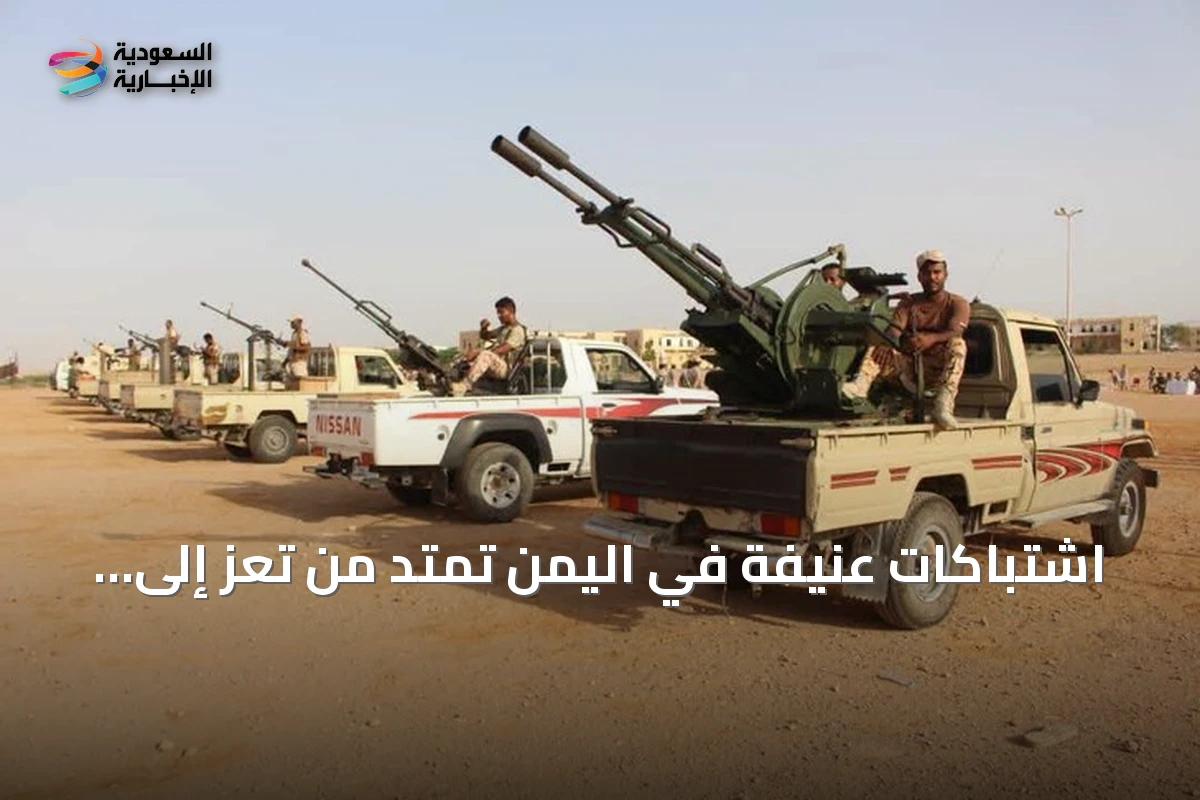
The UNHCR said about 3,000 people arrived in Djibouti in less than a week after undertaking dangerous sea journeys to flee escalating fighting in Yemen, with more than half of the arrivals by sea described as women and children. UNHCR previously warned that intensified combat actions on Yemen's western coast had displaced around 100,000 people inside the country, while thousands had crossed the sea to Djibouti seeking safety. The displacement waves affected the provinces of Hodeidah, Taiz, Lahij, Aden, Abyan, Marib, Al Dhaleesa, and Shabwa, as fears of new displacement waves grew if fighting intensifies.
Immediate needs in Djibouti were described as shelter, food, water, healthcare, and protection, while security conditions, damaged roads, disrupted communications, and movement restrictions were said to hinder aid delivery. Al Jazeera cameras recorded conditions at initial gathering points in Djibouti described as "very difficult and tragic," with most refugees sleeping on the ground amid a severe shortage of basic necessities, shelter, and water.
Funding and reception strain
UNHCR’s Djibouti operation was described as only 15 per cent funded, and it urgently needs an estimated $5.1 million for reception, registration, protection and essential services for arrivals from Yemen. The UNHCR and partners were preparing for at least 10,000 new arrivals, while Markazi refugee village was described as designed for 5,000 refugees but already housing more than 2,700 Yemenis and 1,500 Eritreans before the latest influx. UNHCR said refugees arriving around Obock are taken from coastal entry points to Markazi refugee village for registration, assistance and access to national services, as Djiboutian households and the established Yemeni refugee community share limited resources.
The UNHCR warning focused on health and education pressure, with existing classrooms described as unable to accommodate everyone and overcrowding raising the risk of scabies and diarrhoeal disease. In Geneva, UNHCR representative Sandrine Dizamour said the Djibouti government is preparing to host up to 10,000 refugees, a figure she said would put additional pressure on health care and education services.
Inside Yemen and next risks
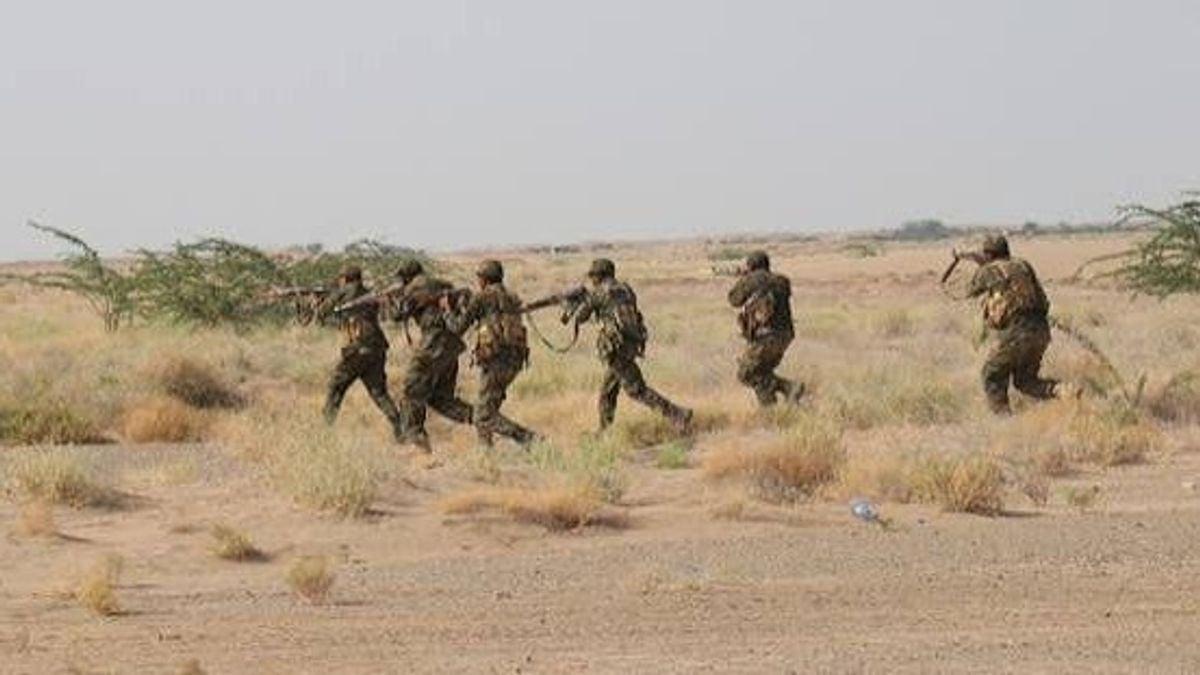
The UN said no fewer than 112,000 people were internally displaced in Yemen during the past two weeks as fighting continued on the country’s western coast, while nearly 3,000 people fled by sea to Djibouti. UNHCR said the latest fighting followed a rapid advance by the Houthis, which seized control of the entire Red Sea coast of Yemen to tighten their grip on the vital shipping route, the Bab al-Mandeb Strait. UN agencies described the situation as a crisis on top of multiple crises, with Yemen’s health services and economy said to have been shattered amid a long civil war between forces of the internationally recognized, Saudi-backed administration and the Houthi movement.
UNHCR also warned that aid delivery remained a major challenge because deteriorating security conditions, damaged roads, disrupted communications, and movement restrictions affected humanitarian operations, especially along the western coastal region and between Taiz, Al-Turbah, and Aden. The ICRC said it delivered 22 tons of medical equipment to the Yemeni capital, Sanaa—under Houthi control—to replenish stocks and support hospitals treating war-wounded, with Christine Cipolla warning that "The recent intensification of hostilities has saturated hospitals".