Full story
IAEA demands access
The IAEA Board of Governors approved a U.S.-backed resolution requiring Iran to declare its remaining stockpiles of enriched uranium and allow inspectors to verify them, with the 35-nation board voting 21 in favor, three against, and ten abstentions during a quarterly meeting in Vienna.
“According to media reports, the countries that opposed the resolution were Russia, China and Niger”
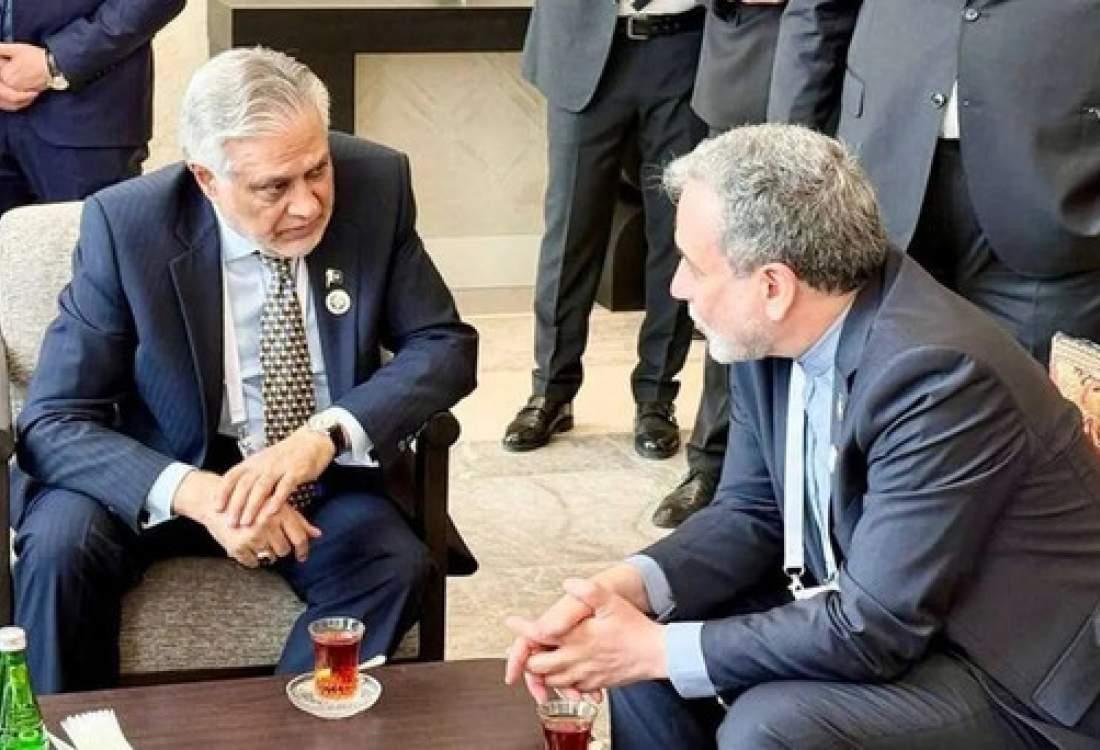
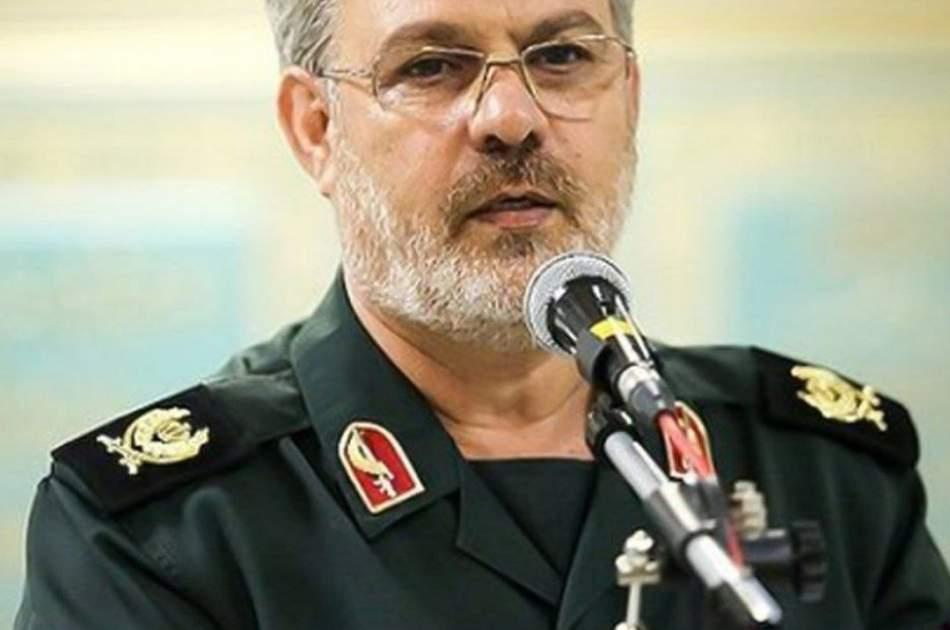
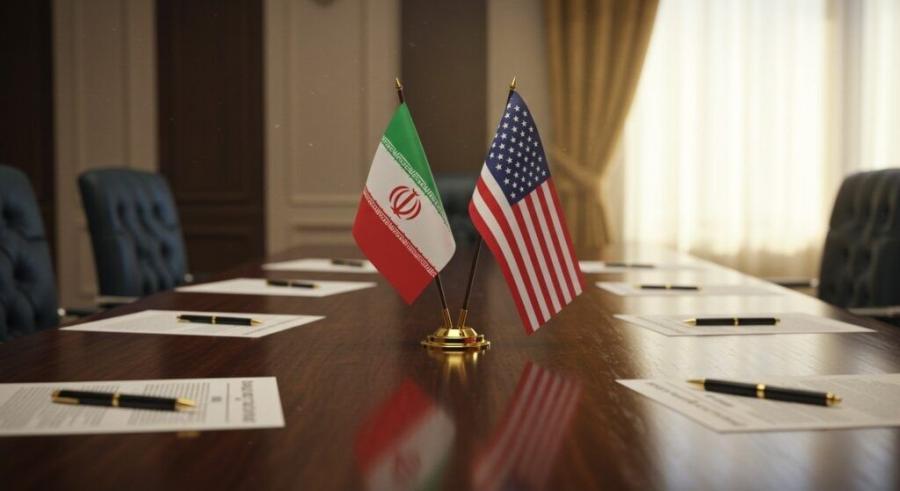
Iran’s permanent representative to the United Nations in Vienna, Reza Najafi, called the resolution "counterproductive in the current context" and said it further complicates "an already volatile situation" and "the unfinished negotiations between Iran and the United States."

The Associated Press reported that the board demanded Iran fully cooperate with the agency, provide complete information about its stockpile of near weapons-grade nuclear material, and grant inspectors access to Iranian nuclear sites, saying that giving information and access are "essential and urgent" to enable verification that there’s no "diversion of nuclear material."
The AP also said the resolution was put forward by France, the United Kingdom, Germany and the United States, and that Russia, China and Niger opposed it while 10 countries abstained and one didn’t vote as it was in arrears.
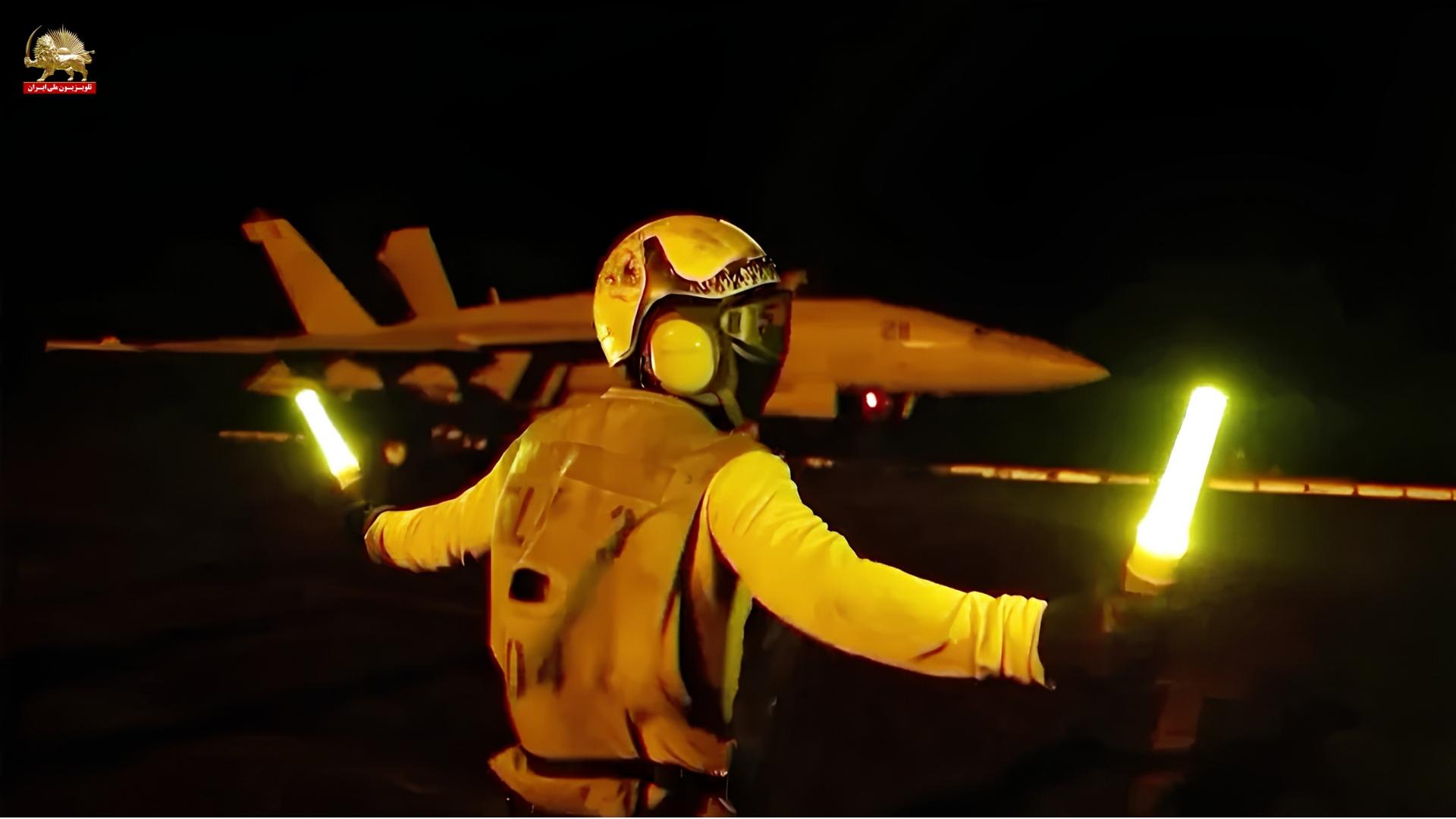
The AP tied the resolution to heightened tensions after the U.S. launched airstrikes early Wednesday against Iran and Tehran fired back at countries in the region, with U.S. President Donald Trump warning the Iranian government would "pay the price" for stalled peace negotiations.
Grossi: continuity broken
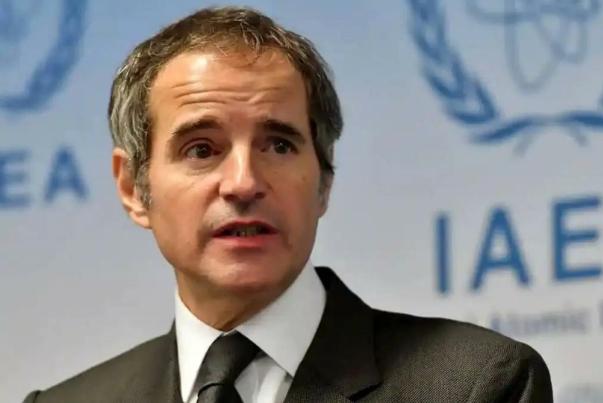
IAEA Director General Rafael Mariano Grossi told the Board of Governors that the agency has not verified Iran’s stockpile of 440.9 kilograms of uranium enriched to 60% since February 27, and that no inspector has entered any Iranian nuclear facility in 97 days.
Grossi used the safeguards term "loss of continuity of knowledge" to describe how the evidentiary chain binding the agency to the material’s location, quantity, and condition is broken, and he said the agency has "lost continuity of knowledge" of the previously declared nuclear material at facilities affected by the June 2025 strikes, including "440 kg of highly enriched uranium."

The Middle East briefing outlet said Iran terminated all monitoring access on February 28, disabling surveillance cameras and removing seals from every declared nuclear site, with the sole exception being a routine inspection at Bushehr Nuclear Power Plant conducted the week before the Board session opened.
The AP reported that Iran’s ambassador to the IAEA, Reza Najafi, denounced Wednesday’s resolution and said the document describes the situation in Iran "as being quite normal and as if nothing had happened."
The AP also said the resolution left open the possibility of further action, including addressing the "timing and content" of a formal noncompliance report for consideration by the U.N. Security Council, after the IAEA board found Iran officially in noncompliance with its safeguards agreement last June for the first time in 20 years.
Diplomacy strained by attacks
Beyond the Vienna vote, the sources described a wider escalation that threatened to derail efforts to end the war, with the AP saying the escalating attacks threatened to derail efforts to end the war as Trump warned the Iranian government would "pay the price" for stalled peace negotiations.
“By STEPHANIE LIECHTENSTEIN VIENNA (AP) — The U”
Radio Free Europe/Radio Liberty reported that the U.S. Central Command confirmed on June 10 that its forces targeted a Palauan-flagged oil tanker named Stabello in the Sea of Oman on the evening of June 9, after the United States said the tanker was transporting oil from Iran in violation of the naval blockade.
RFE/RL also quoted Representative Brian Mast saying, "Iranian drones are being used to terrorize civilians and attack Americans and US allies around the world," in the context of a House-passed bill aimed at cutting off Western technology flowing into Iranian drones.
In response to the IAEA resolution, Iran’s permanent mission said the document was "political" and "unprofessional" and asked, "How can the IAEA be trusted when it is being manipulated by warmongers (the US)" and rendered incompetent to express concern over "the largest, unprecedented in its history, unlawful armed attacks" against safeguarded nuclear facilities.
The stakes described in the sources centered on whether inspectors can verify Iran’s nuclear material and whether the dispute moves toward sanctions, with the AP saying the resolution aims to keep diplomatic pressure on Iran to come into compliance with its legal safeguards obligations and leaving the door open to further action at the Security Council.