Tourism13 August, 20262 min read
Incheon International Airport Becomes World’s Busiest For International Passenger Traffic With 38.39 Million
This article is an automated aggregation of coverage from news outlets. Our editorials offer in-depth analysis curated by the NewsCord team.
Incheon handled about 38.39 million international passengers in H1 2026. It overtook Heathrow to become the world's busiest international airport.

Incheon Takes No. 1
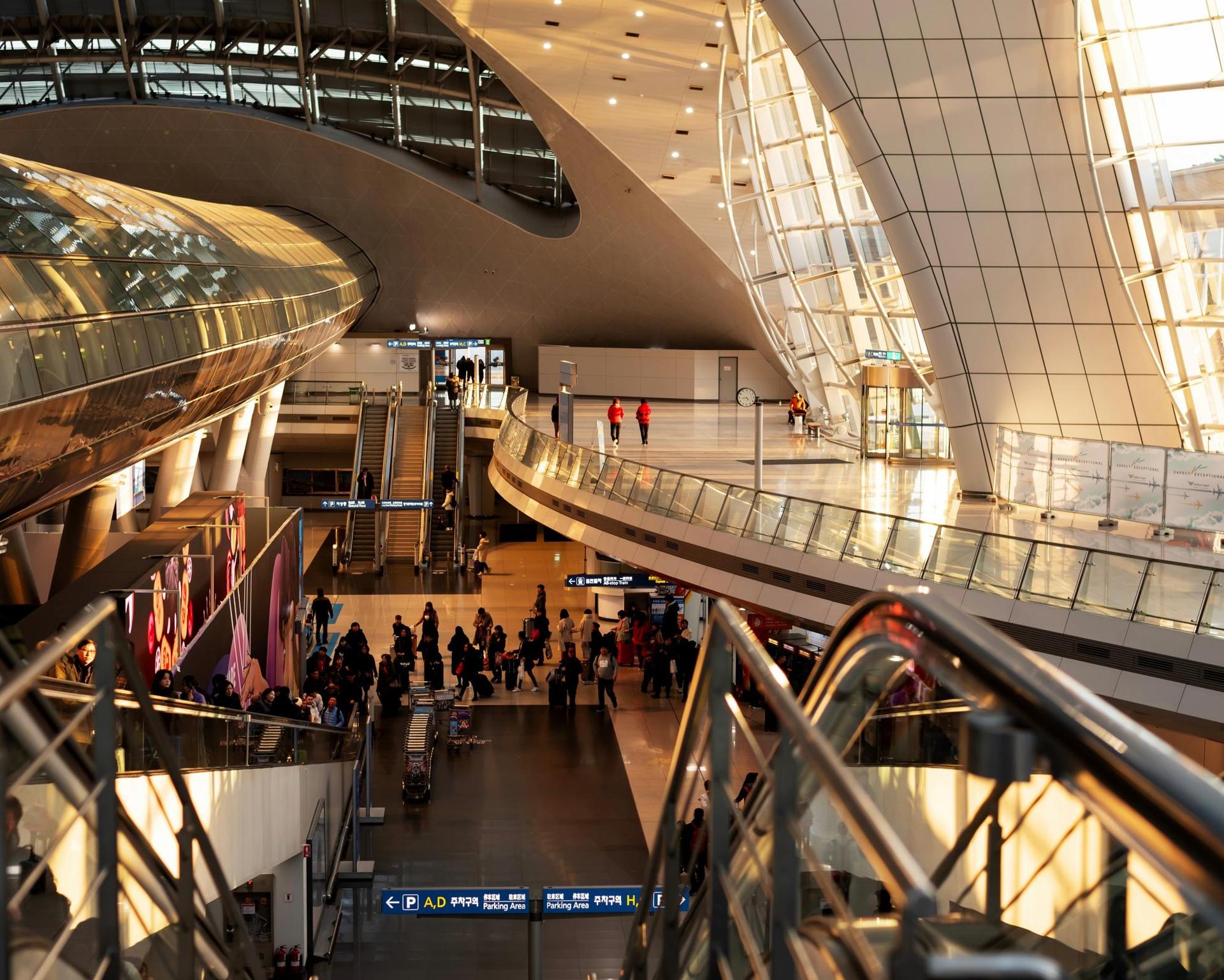
Incheon International Airport became the world’s busiest airport for international passenger traffic for the first time, handling 38.39 million international passengers in the first half of 2026, according to Airports Council International (ACI) figures cited by The Korea Times. The airport, which opened in 2001, rose from 10th place in 2002 to fifth in 2018 and third in 2024 before claiming the global top spot this year, the operator said.
London Heathrow Airport ranked second with 37.79 million international passengers, while Singapore Changi Airport ranked third with 34.53 million, based on the same ACI compilation. The Korea Times said the ranking is based on international passenger traffic compiled by ACI and that Incheon’s rise reflects its growing role as a global aviation hub and the impact of Korea’s long-term policy of developing Incheon as a Northeast Asian gateway.
Transfer Traffic Surges
Multiple outlets tied Incheon’s jump to shifts in global air traffic after the US-Iran conflict disrupted Middle East transit hubs, with The Korea Times saying disruptions redirected some passenger flows toward Incheon. The Korea Times reported that Incheon handled about 4.24 million transfer passengers in the first half, up 18.1 percent from a year earlier, and that transfer passengers on European routes jumped 63.2 percent to about 214,000.
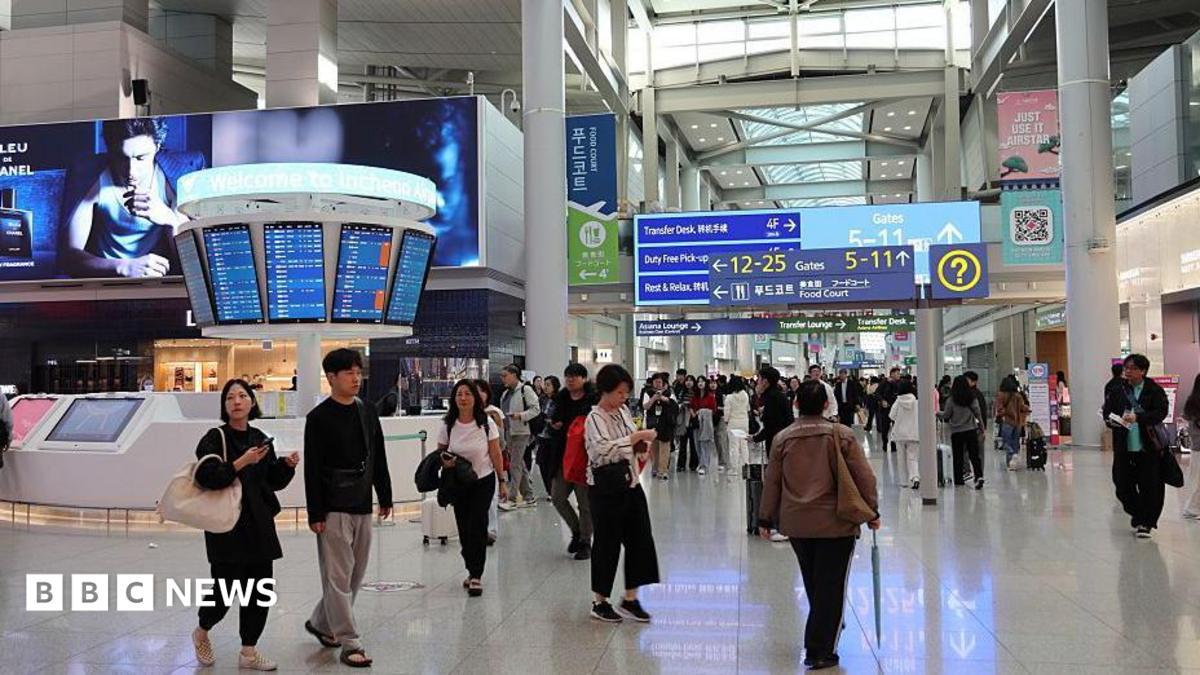
Foreign travelers also accounted for a growing share of traffic, with The Korea Times stating that foreign nationals represented 44.4 percent of all passengers in the second quarter, the highest quarterly proportion on record. In the same period, BBC said Incheon’s rise was partly attributed to diversion of passengers from aviation hubs in the Middle East because of the conflict between the US and Iran, and it cited an 18% rise in transfer passengers from the same period last year.
Tourism Goal and Capacity
The Korea Times said Incheon’s performance was supported by continued investment in infrastructure and its extensive flight network, noting that after the completion of its fourth-phase expansion in November 2024, Incheon can accommodate up to 106 million passengers annually.
The airport’s connectivity was described as 183 cities in 53 countries through 101 airlines, with 158 international passenger destinations, and it also reached a milestone on July 7 by becoming the fastest major airport to handle a cumulative 1 billion passengers.
Looking ahead, IIAC said it plans to improve connections between the airport and major regions across Korea to support the government’s goal of attracting 30 million foreign tourists, while also focusing on service innovation and strengthening future capabilities including artificial intelligence and urban air mobility infrastructure.
BBC added that Incheon serves 158 international destinations and quoted acting president Kim Beom-ho saying, "We're grateful for the [South Korean] government's support, the public's encouragement and the hard work of everyone stationed at the airport in making Incheon the world's No. 1 airport," as the airport corporation planned to strengthen competitiveness by focusing on passenger convenience.