Iranupdated 2h ago2 min read
Iran And Allied Forces Hit Gulf Arab Infrastructure At Least 135 Times, Including Fujairah Port
This article is an automated aggregation of coverage from news outlets. Our editorials offer in-depth analysis curated by the NewsCord team.
Iran and allied forces carried out 135 missile and drone attacks on 84 infrastructure sites. Attacks targeted oil facilities, ports, airports, power plants, and related critical infrastructure.
Reuters was read line by line by the Watchdog: 2.5. See the score →
135 strikes, 84 sites
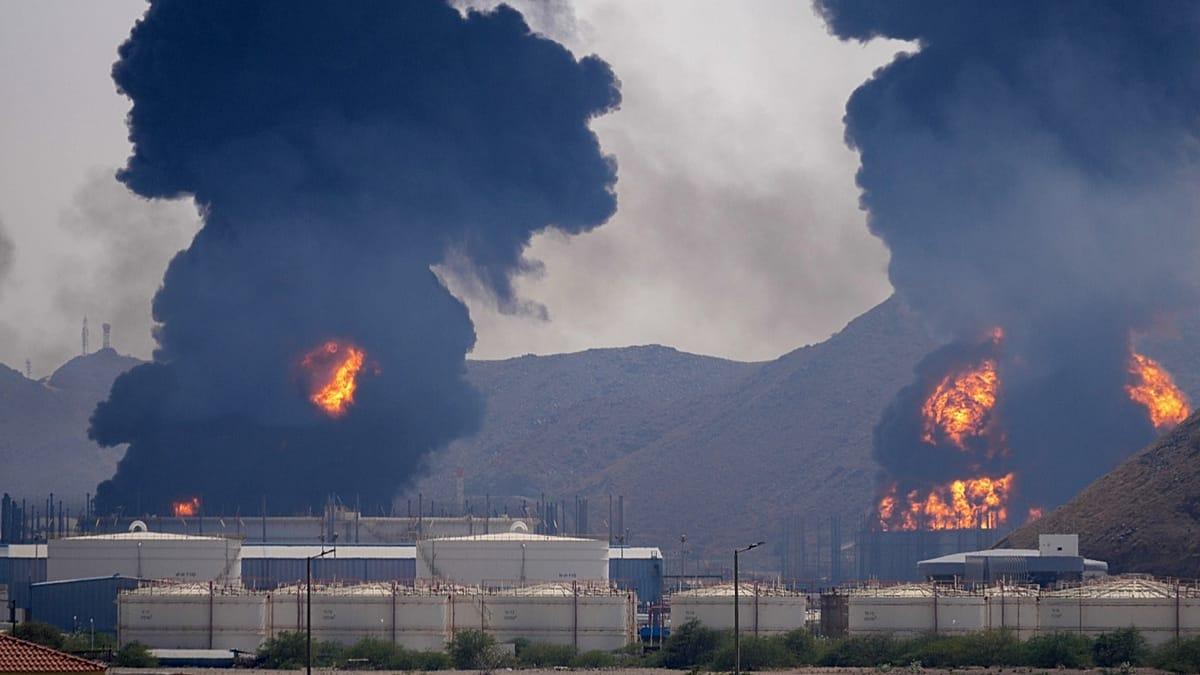
Iran and allied forces have carried out at least 135 missile and drone attacks on 84 critical infrastructure sites across Gulf Arab states since the start of the war on 9 Esfand 1404. The strikes repeatedly targeted highly sensitive energy facilities, ports, airports, power plants, and large industries, with some targets only a few meters wide or located inside buildings that could not be identified from satellite imagery.
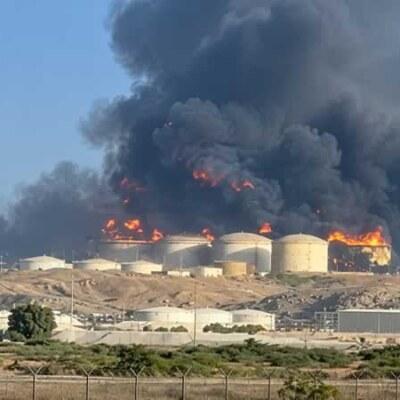
Fujairah port in the United Arab Emirates has been hit at least 19 times, and three tanks each with a capacity of 250,000 barrels of oil caught fire in one attack. Exports of refined petroleum products from Fujairah were nearly halted for about a month after the fourth attack, and only one vessel managed to leave the port from the time of the attack until June 1.
Precision and official denials
Ryan Stephens, a former US Marine Corps special operations air strike coordinator who reviewed Reuters’ findings, said Iran’s strikes demonstrated “precision, target selection expertise, and patience.” US Navy Captain Tim Hawkins, a CENTCOM spokesman, said, “CENTCOM has been entirely clear in communicating the threats posed by Iran at both regional and global levels.”
Regional governments have often described damage as smaller than reality, and at least 34 official statements attributed damage to the “falling debris of intercepted missiles and drones.” 14 experts and people familiar with the attacked infrastructures reviewed its images and findings and said it is highly unlikely that precise damage to critical equipment across dozens of sites could be the result of random debris impact alone.
Fujairah, Ras Laffan, Barakah
Ras Laffan in Qatar was among the key targets, and two “cold boxes” housing the main equipment for the liquefaction process were damaged in the attacks on Qatar. The CEO of Qatargas had previously said that full repair of these components could take three to five years, and attacks on Ras Laffan at one point threatened about 20% of the global LNG supply.
The Barakah nuclear power plant in the United Arab Emirates was also targeted, and a building containing electrical equipment at the plant was struck and one of its four reactors had to rely on emergency diesel generators. The operator of the plant stated that nuclear safety was maintained, no radioactive leaks occurred, and no danger to people or the environment remained.