Full story
Pause, then threats
Iran and Israel halted mutual missile and drone attacks after their first exchanged strikes since a ceasefire started in early April, but both sides warned they could resume fighting if the other side acted again.
Iran announced on Monday afternoon that it was halting attacks, while warning they would resume if Israel carried out further acts of “aggression and hostility”, including in Lebanon.

Israeli Prime Minister Benjamin Netanyahu said the attacks had been halted after Israel “hit the terror regime in Tehran,” and he insisted the Israeli military would continue to operate against Iran-linked Hezbollah in Lebanon.
The BBC reported that Netanyahu said Israel was holding fire “at the moment” while stressing that the struggle against Iran and Hezbollah was “not finished,” as Iran said it stopped operations after a “painful response” to Israel.
The CBS News account framed the exchange as the war’s 100th day, saying the renewed attacks threatened to reignite all-out regional war and jeopardize an already fragile truce.
Trump’s calls, competing blame
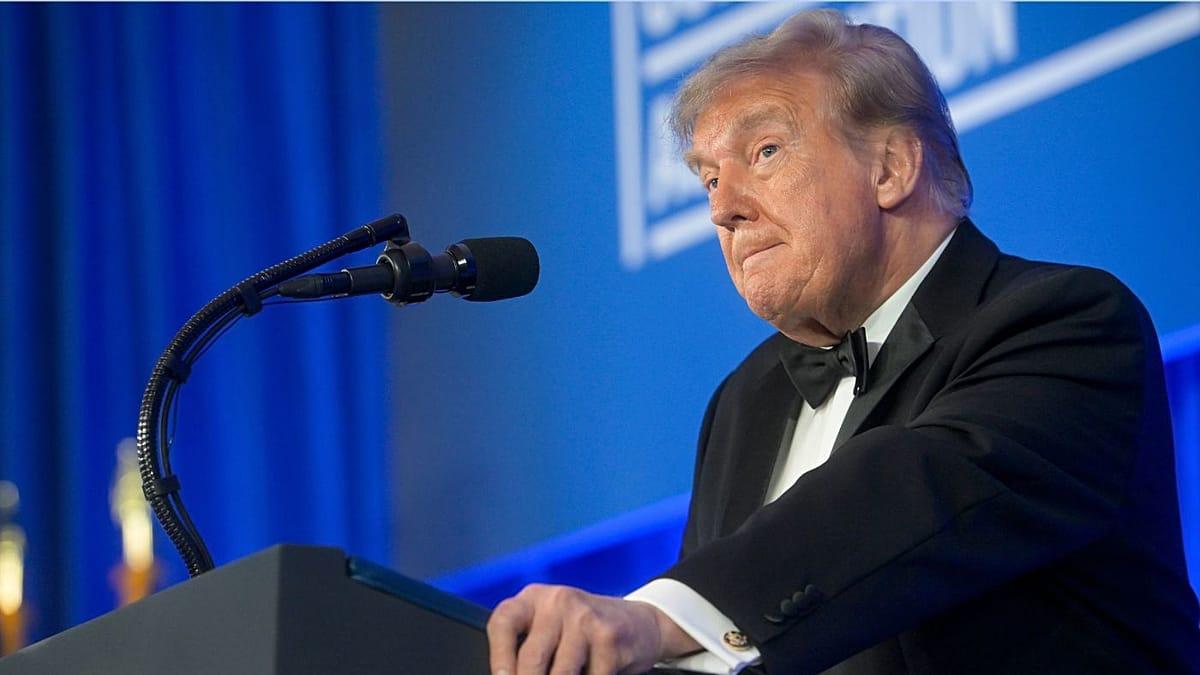
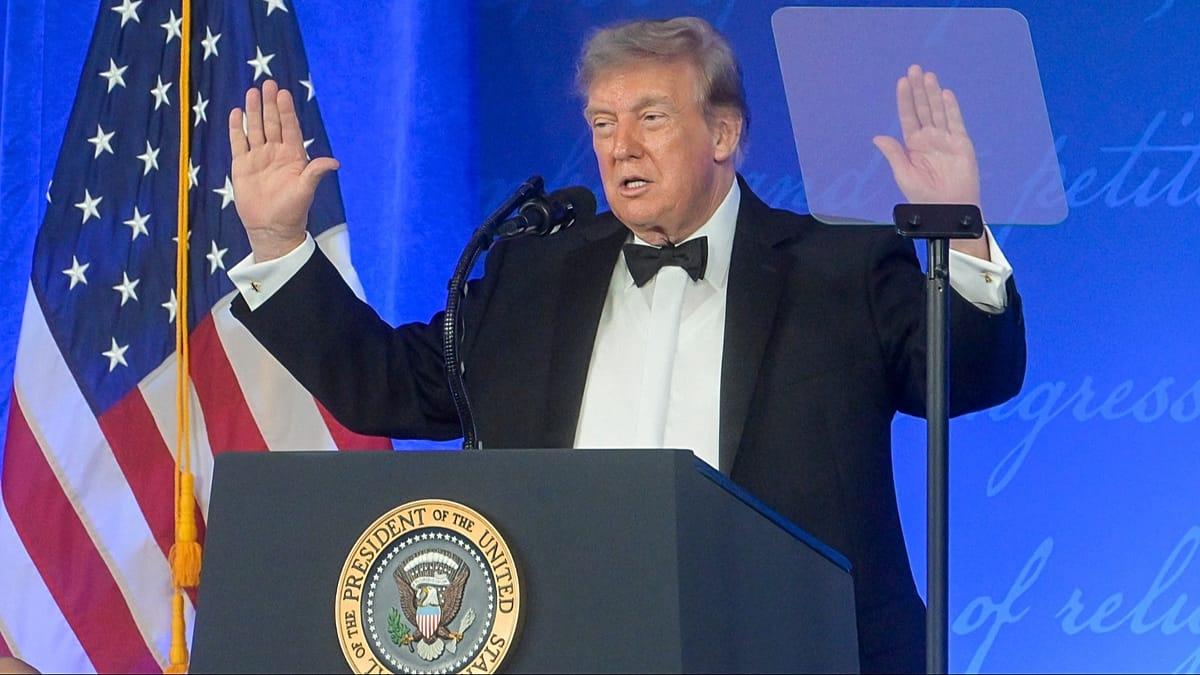
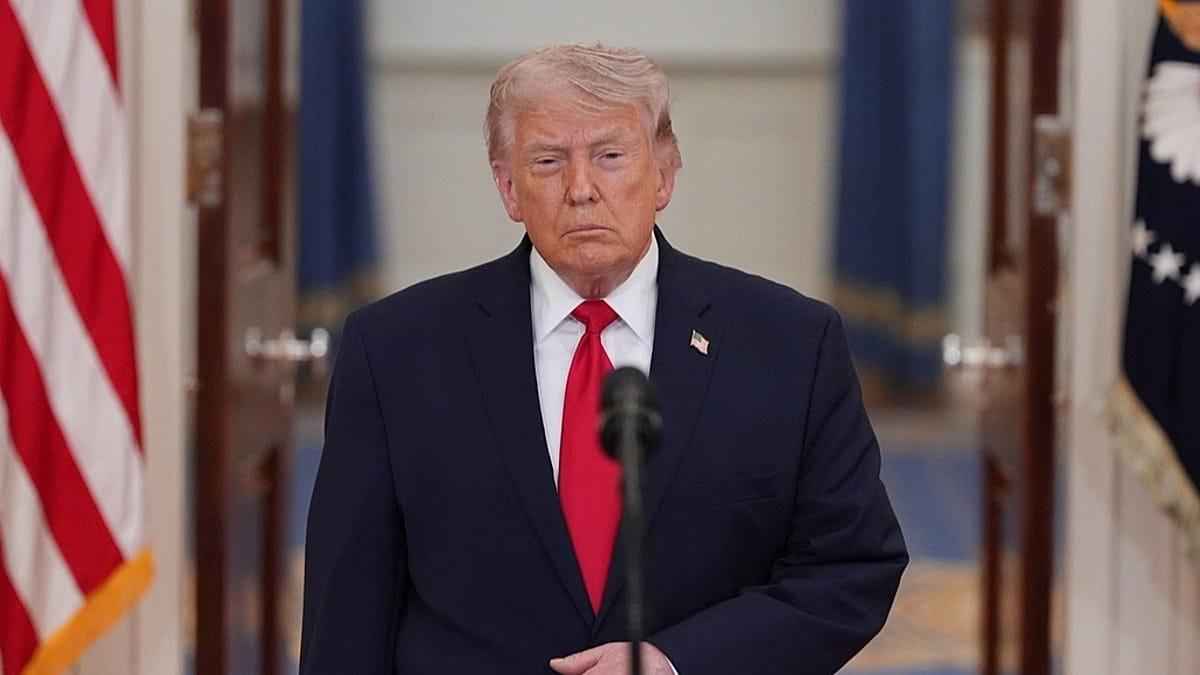
President Donald Trump urged both countries to stop “shooting,” and the BBC reported that in a call with the BBC Trump denied that Netanyahu had defied his wishes by launching strikes.
In that same BBC account, Trump said, “All I did is say, 'We have to use sense'”, and the White House confirmed Trump had called Netanyahu to discuss the crisis.

Iran’s foreign ministry spokesman Esmaeil Baqaei told a press conference in Tehran that the United States held responsibility for the resumption of fighting, saying, “Without a doubt ... the actions of the Zionist regime in the region cannot be separated from U.S. policies,”.
The CBS News report also said an Israeli official quoted by the AP news agency described an agreement to halt airstrikes on Iran at Trump’s request, while the offensive in Lebanon would continue “at full force”.
As the pause took hold, both Iran and Israel warned they were ready to resume strikes at a moment’s notice, according to the New York Times’ live updates.
What’s at risk next
The renewed exchange of fire raised fears of a return to full-scale regional war, and the Al Jazeera report said that escalation would worsen the global energy crisis and deepen market volatility.
Al Jazeera reported that the exchanges of fire sent Brent crude jumping back above $97 a barrel, while the BBC said the Red Cross reported four of its rescuers were among the injured after Israeli strikes on Tyre.
In Lebanon, the BBC said the health ministry reported five people had been killed and eight wounded in an Israeli strike on Tyre, and it added that Hezbollah said it fired a rocket barrage at a group of Israeli army vehicles and soldiers in southern Lebanon on Monday morning.
The CBS News account said the Iran-backed Houthi rebels announced they were banning Israeli shipping on the Red Sea, with a statement declaring, “We declare a complete and total ban on Israeli maritime navigation in the Red Sea,”.
With the ceasefire still fragile, the BBC said Trump publicly told both countries to “immediately stop 'shooting'” because they were jeopardising negotiations between Washington and Tehran on a deal to end the regional war.