Full story
Drafts as Deadline Looms
Iran circulated multiple competing versions of an interim agreement with the United States, with at least three different texts in circulation as President Donald Trump maintained his stated Sunday timeline for signing a deal.
“at least three different texts are in circulation”
The drafts share elements including the reopening of the Strait of Hormuz, sanctions relief for Iran to sell oil, and the initiation of longer-term negotiations concerning Iran's nuclear program, but they diverge on key points that make it difficult to assess the potential outcome for either side.
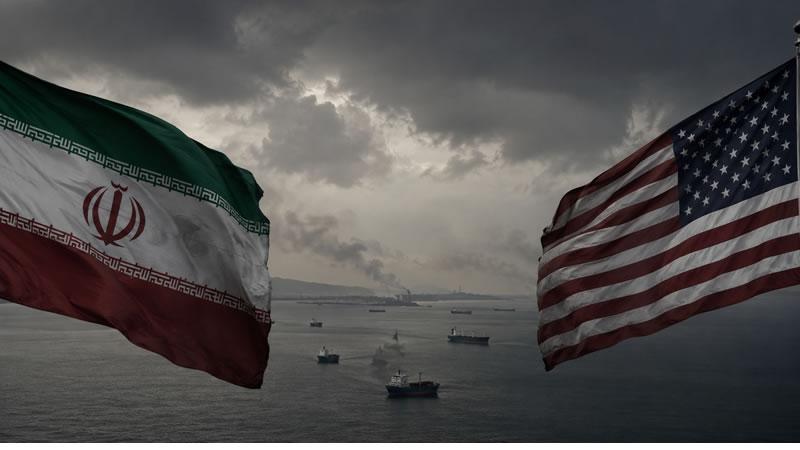
One major point of disagreement is the amount of financial relief Iran would receive immediately or in the future, a concern for Iran hawks in the United States who do not want President Trump to concede too much.
The White House declined to comment even as time ran out for the two countries to sign an agreement by Sunday, which coincides with President Trump's 80th birthday.
On Sunday afternoon, Fox News cited President Trump as saying a deal would be signed within two to three hours, while earlier on Sunday the likelihood of a signing appeared to diminish after Israel's military struck the Lebanese capital, stating it was targeting Hezbollah following projectile fire into northern Israel.
Trump, Iran Trade Pushback
Trump said on social media, “We are very close to a Deal that will bring peace to the region, including to Lebanon, and all sides should stand down,” as Iran and the United States prepared to sign an interim agreement aimed at reopening the Strait of Hormuz.
Iran pushed back on Trump’s assertion that the interim peace deal would be imminent, with Iran’s semi-official Fars News Agency reporting that nothing had been finalized and that an agreement would not be reached by Trump’s suggested deadline.

Iran’s top negotiator, Mohammad Bagher Ghalibaf, said there was “no point” in continuing talks if the US lacks the “will and ability” to fulfill its commitments and stop Israel from bombing Lebanon.
The competing drafts only exacerbated days of confusion around the prospects for a deal to end the fighting that began with US and Israeli missile attacks against Iran on February 28, a campaign that Reuters and others described as having killed thousands of people and increased oil prices.
In a separate account of the timing dispute, Reuters reported that Iranian Foreign Ministry spokesperson Esmail Baghaei denied that the Islamabad Memorandum of Understanding would receive an official electronic signature on Sunday and said it would not occur on June 14.
What’s at Stake Next
The emerging interim framework is tied to reopening the Strait of Hormuz and extending a ceasefire by around two months, with longer-term negotiations focused on Iran’s nuclear program under a 60-day negotiation framework.
““Our sword will always hang over the Strait of Hormuz,””
Iran’s Foreign Minister Abbas Araghchi said nuclear talks with the United States would only take place at a later stage and would not proceed unless a proposed interim deal was implemented, adding that a memorandum of understanding had not yet been signed and could still change.
Araghchi also said, “Our sword will always hang over the Strait of Hormuz,” while the deal’s terms outlined to Reuters envisioned the US immediately unfreezing billions of dollars in Iranian assets and lifting sanctions on Iranian oil exports in exchange for reopening the Strait.
The dispute over what happens after signing remains central, because the deal’s framework allows for another 60 days of negotiations to discuss Iran’s uranium enrichment program and continued discussion of Iran’s frozen financial assets.
With mediators from Qatar and Oman involved as go-betweens, the next steps hinge on whether the competing drafts’ financial relief and nuclear sequencing—such as the release of $25 billion of frozen assets reported by Reuters—can be reconciled before the window for technical discussions closes.