Iranupdated 22m ago2 min read
Iran Deploys New Hormuz Surveillance Units, Warns Ships With Transponders After Tanker Strikes
This article is an automated aggregation of coverage from news outlets. Our editorials offer in-depth analysis curated by the NewsCord team.
Iran deployed new surveillance units east of Strait of Hormuz and in Sea of Oman. Navy warned ships against unauthorized transit after identifying damaged tanker that caught fire near Hormuz.
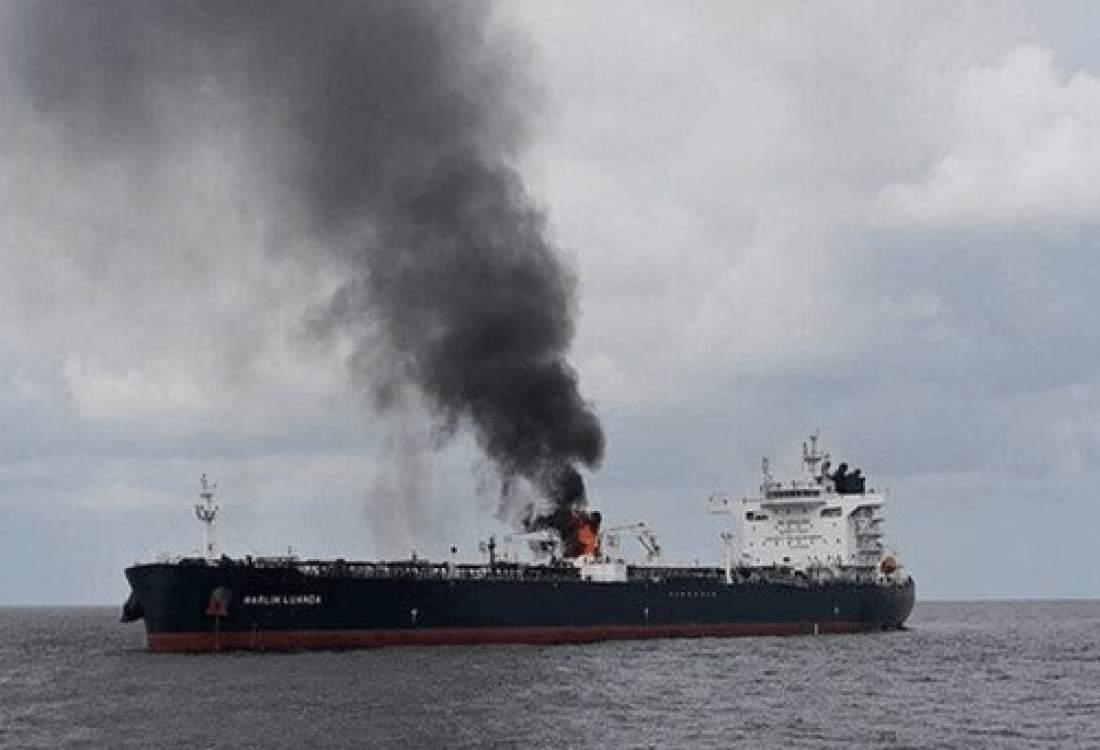
Hormuz surveillance expands
Iran’s military expanded its surveillance of the Strait of Hormuz by deploying new units to target ships, as Tehran and Washington fought over control of the waterway amid a surge in attacks and a fall in oil transit. Iran’s navy said the new units would maintain “real time surveillance of enemy activities and maritime traffic in the region,” and it warned vessels not to switch off their transponders while urging coordination with Iranian armed forces for safe passage.
Kpler data showed 10 tankers were struck in the strait between September 28 and October 4, followed by another strike on October 5, and UKMTO recorded 15 other attacks between October 6 and October 14 with 11 occurring in just the past four days. The United States Navy-led Joint Maritime Information Center kept the maritime threat level for commercial navigation at “severe,” the second-highest level, noting “UAV overflight, targeted surveillance of merchant shipping, and occasional VHF hailing.”

Tactics, elections, and denials
Two senior Iranian officials told Reuters that Iran began using different offensive tactics against vessels it considered in violation of its restrictions about 10 days ago, and they said the strategy involved changes in the type and pace of attacks. One Iranian official said, “The goal is to thwart the efforts of the United States and its allies to bring down global oil prices,” and another likened the confrontation to a “chess game” as Tehran sought to influence the US midterm elections.
A White House official denied reports that Trump and Netanyahu were studying resuming war, and the denial said the United States will not launch an attack on Iran before the midterm elections. Axios reported that Israeli Prime Minister Benjamin Netanyahu conducted a series of contacts with Trump over the past two weeks about returning to broad military operations, including joint American-Israeli strikes, while the White House denial left the question unresolved in the reporting.

What Iran says is at stake
Iran’s Deputy Foreign Minister for Legal Affairs, Gharib Abadi, said at a press conference in Bandar Abbas that “no ship is allowed to pass through this strait without coordination with the Islamic Republic of Iran,” and he warned that anyone who does so without coordination will face punitive measures. Gharib Abadi said the regulations governing the Strait of Hormuz are the same arrangements announced by the Islamic Republic of Iran and that these supervisory measures will continue until the United States is convinced that a military solution is not suitable.
The Maritime Executive said the Strait of Hormuz will likely continue to “ebb and flow until either the US or Iran decides that it is in their best interest to restart negotiations,” and it described the waterway as a vital choke point between the Persian Gulf and the Gulf of Oman. The Maritime Executive also said the passage is “roughly 20% of the world’s seaborne oil trade,” and it warned that transits have dipped in recent days even as ships continue to cross.