Iran10 October, 20263 min read
Ali JahanShahi Announces Iran Deploys Over 50 Combat And Support Units Along Borders
This article is an automated aggregation of coverage from news outlets. Our editorials offer in-depth analysis curated by the NewsCord team.
Iran deployed over 50 combat and support units along its borders. Deployment extends from the northwest to the southwest and Makran coast.
www.ynetnews › Latest Israel News › World News was read line by line by the Watchdog: 3.0. See the score →
Border deployments announced
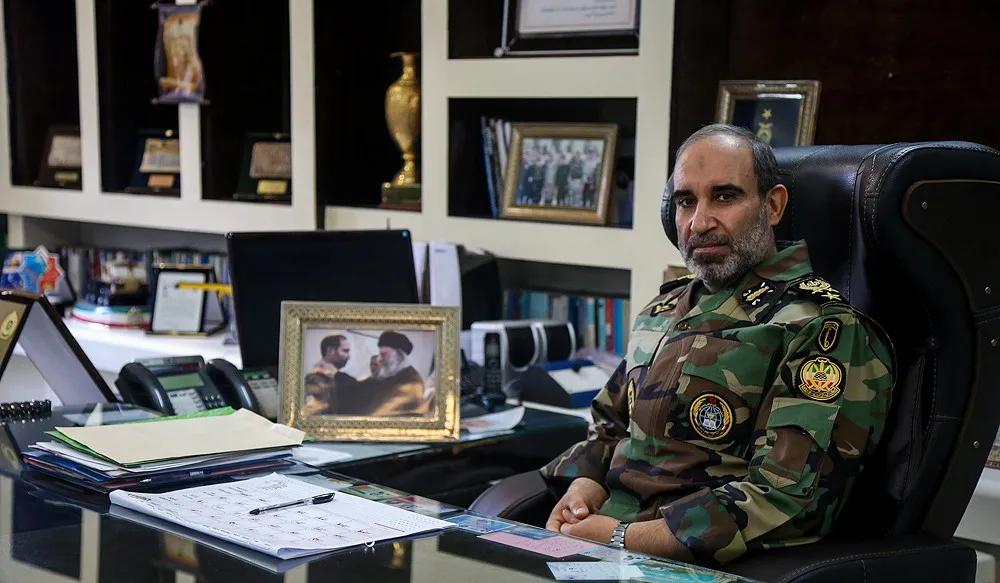
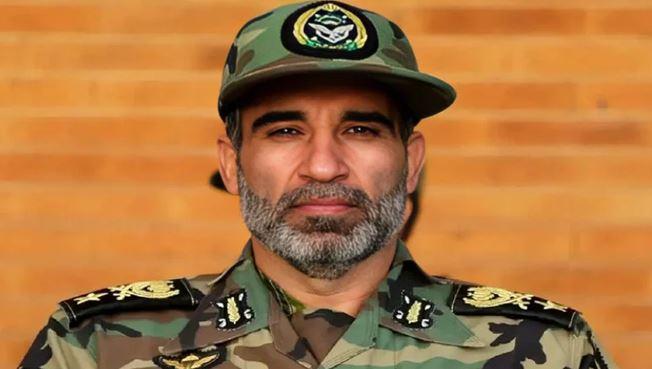
Brigadier General Ali JahanShahi announced the deployment of rapid intervention units, special forces, and assault troops along Iran’s borders during his inspection today, Tuesday, of these forces’ units in the border areas of western Iran. JahanShahi said the readiness of the ground forces under the army at the borders, alongside the Revolutionary Guard fighters and police forces, thwarted any audacity by the enemy to launch ground operations against the Islamic Republic of Iran. JahanShahi stressed the necessity of maintaining continuous readiness of the armed forces and strengthening the country’s defensive capability, and he said defensive power constitutes the most important factor in deterrence against enemy threats.
Iran deployed over 50 combat, support units along borders, with deployments extending from the northwest to the southwest, across the eastern regions and along Makran coast. JahanShahi said the bulk of the ground force units are stationed on the borders of the northwest, west, southwest, east, northeast and southeast of the country, especially on the Makran coast, and that they enjoy very good readiness.
Readiness after past wars
Jahanshahi said the deployments were carried out before the US-Israeli war and that the operation involved more than nine million kilometers of road travel, while ammunition and equipment were transported using heavy military vehicles. The first criminal war against Iran lasted 12 days in June 2025, and the second aggression began on February 28, 2026, and came to a halt in early April after 40 days. Jahanshahi linked the Ground Force’s readiness in the 40-Day War to measures taken after the 12-Day War, including revisions to operational plans, changes to combat formations, and equipping units with precision-strike, smart and network-enabled weapons.
Jahanshahi told Fars news agency, as published by PressTV, that “Areas where enemy aircraft might land or be present—including abandoned airfields—have been identified, and the necessary units to counter such threats have been designated,”. Jam Jam Online said more than 50 Ground Forces combat and support units, including mobile, reaction, armored and mechanized brigades and units of artillery, engineering, missiles and drones, were deployed along the borders at the outset of the third imposed war, also known as the Ramadan War.

US planning and Iranian deterrence
Iran deployed over 50 combat and support units along its borders amid fears of renewed war with the US, and it described the move as covering the northwest, southwest, eastern areas and the Makran coast. Iranian Army spokesperson Mohammad Akrami Nia stated Tehran would increase the range of its missiles after the conflict with the US, citing the presence of American forces stationed up to 1,000 kilometres from Iran’s coastline. JahanShahi said that “the countries that had previously considered the presence of American military bases a factor of their security have today come to the conviction that the presence of these bases is a source of insecurity and instability,”.
ynetnews reported that the Pentagon developed plans for a short but intensive military campaign against Iran potentially lasting just three days, targeting missile and drone arsenals, energy infrastructure and command centers. ynetnews also reported that Trump announced on social media that the United States would not attack Iran before the November midterm elections, adding that Washington and Tehran were “having productive discussions.”