Iran10 October, 20263 min read
Tehran Municipality Launches “Zero Inflation” Plan, Fixing Prices on 12 Essential Goods
This article is an automated aggregation of coverage from news outlets. Our editorials offer in-depth analysis curated by the NewsCord team.
Tehran fixes 12 essential goods' prices for six months starting September 29. End date cited as March 22, 2027 in the Persian calendar.

4 outlets told this the same way.
Outlets did split on Iran Reviews US Negotiation Proposals As Pakistan And Qatar Mediate Strait Of Hormuz Dispute →
Tehran’s “Zero Inflation”
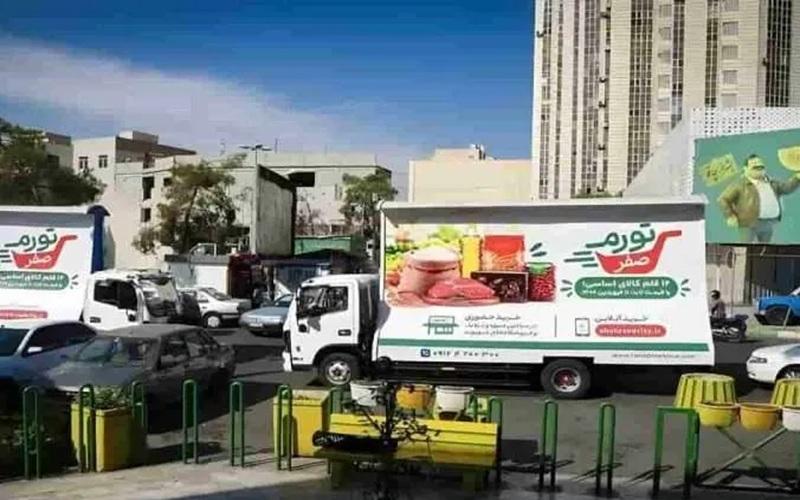
Tehran Municipality has been implementing its “Zero Inflation” plan since September 29, and the municipality’s official pledge says the prices of 12 essential goods will remain fixed for six months. Alireza Zakani, the mayor of Tehran, announced the launch of the “Zero Inflation” plan at the Sadeghieh fruit and vegetable market, and the first phase includes rice, frozen meat, cooking oil, sugar, dates, pasta, soybeans, and five types of legumes. The plan’s rollout adds items in Aban [October-November], with chicken, tomato paste, and cheese bringing the total number of items to 15, and the municipality says the prices are at least 5% to 50% below current market rates.
Tehran’s mayor has said the goods will be offered at 108 fruit and vegetable markets and 18 Shahrvand stores, and the municipality has promised to increase the number of distribution centers to more than 200 in November. The municipality’s plan also ties household allocations to the head of the household’s national identification number, and a four-person household is allocated eight kilograms of rice, two kilograms of meat, and four kilograms of legumes each month.
Critics question “zero”
Critics in the source say that fixing the prices of several goods is not the same as “zero inflation,” because rents, transportation, and services can still become more expensive across the city. The same source says the plan covers only a limited basket of goods through a designated network of markets and stores, and it raises questions about where the financial resources for the plan will come from. The source also warns that it must be made clear what will happen after the six-month period ends, because keeping prices fixed as production costs rise would require compensation from another source.
The source further says that if supply is limited, not all citizens will benefit from the lower prices, and it adds that the plan’s limitation to Tehran Province is another criticism. The source links the plan’s credibility to inflation metrics, saying the consumer price index stood at 569.3 in March and April and reached 729.8 in September.

Budget, financing, and limits
The source says Tehran Municipality’s approved public budget for 2026 is 3.22 quadrillion rials (approximately $1.238 billion), and it reports that the municipality says financing will come through the capacity of urban management and cooperation with the banking system. The same source says critics point to the experience of the price stabilization law in the 2000s, arguing that artificially keeping prices low without reforming the cost structure led to more severe shocks. The source also states that March 2027 will be the real test of “zero inflation,” because it frames the six-month period as the initial window for assessment.
The source emphasizes that the municipality does not control the country’s monetary, exchange-rate, fiscal, or trade policy tools, and it concludes that the municipality therefore does not have the power to control the city’s overall inflation rate. In a separate framing of the same policy, the other Iran-focused source describes Tehran’s “Zero Inflation” plan as aiming to keep prices of 12 specified goods stable from Mehr 1405 to Farvardin 1406 in city markets and in Municipality stores.