Iran · 29 July, 2026 · 3 min read
Iran Launches Ballistic Missiles at U.S. Forces After U.S.-Saudi Strikes on Iraq Militias
Iran launches ballistic missiles at U.S. bases in Jordan. U.S.-Saudi strikes in Iraq target Iran-backed militias, killing at least 20 fighters and six advisers.
Whether Trump’s response includes vulgar language.
9 of 12 outlets skipped it: fires ignited on two natural gas vessels at Damietta.
The Jerusalem Post was read line by line by the Watchdog: 3.6. See the score →
15outlets compared
Same story, two versions
tap a side to read it in full
Scripps News
“Officials said U.S. troops "remain vigilant and at a high state of readiness"”Read the original ↗
Irish News and NBC foreground Trump vulgar threats; Scripps sticks mostly to military detail.
Missiles, retaliation, and Iraq
Iran launched multiple ballistic missiles at U.S. forces in the Middle East on Tuesday evening, and U.S. Central Command said the attack was an attempted surprise attack that was intercepted.
“Iran fired multiple ballistic missiles at a U.S. base in the Middle East on Tuesday evening”
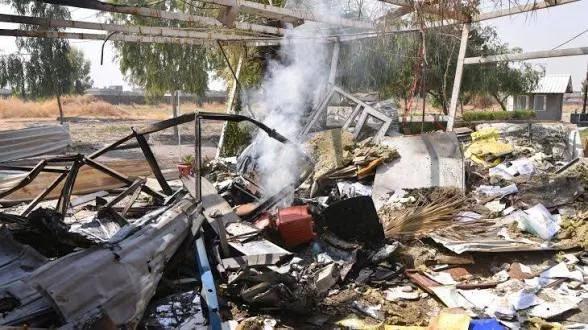
The flare-up followed U.S. and Saudi strikes on Tehran-backed militias in neighboring Iraq, with the Popular Mobilisation Forces saying at least 20 fighters were killed and 32 others wounded in overnight attacks.
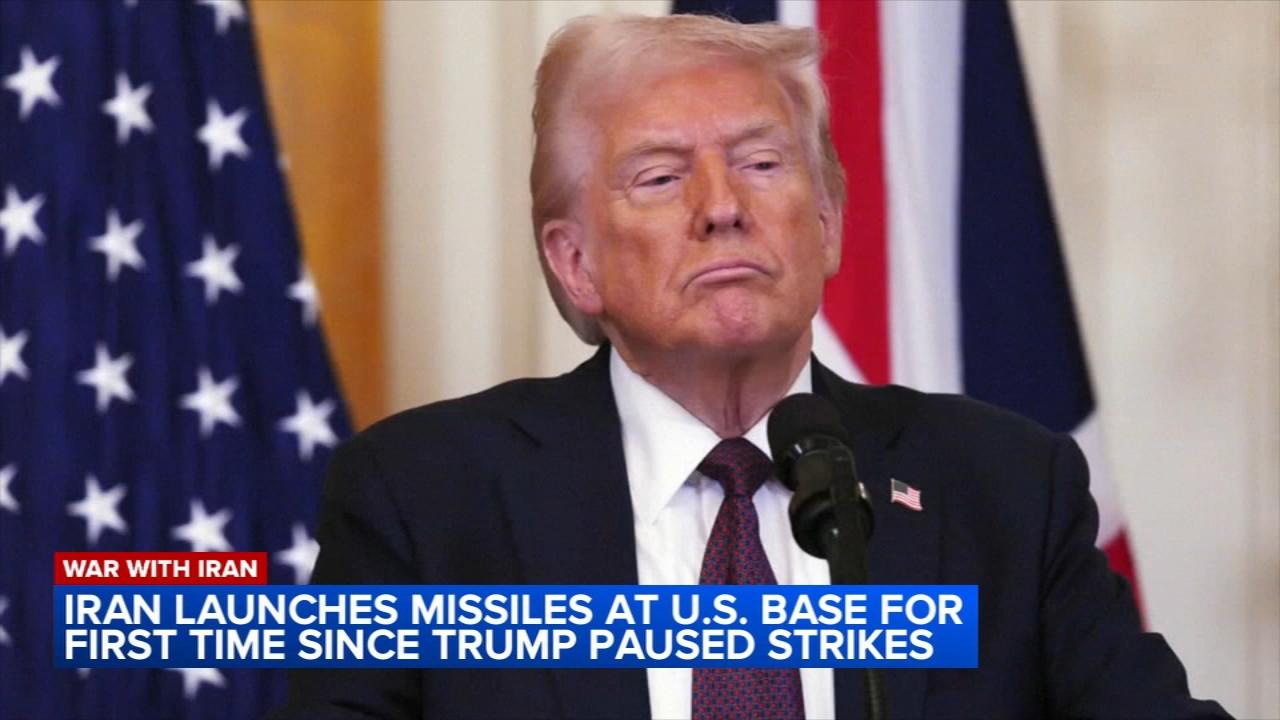
In Jordan, the Jordanian military said five Iranian missiles had been intercepted and destroyed, while Iran’s Revolutionary Guard said it fired ballistic missiles at Jordan’s Muwaffaq Salti Air Base and the headquarters of the U.S. Central Command in Jordan.
The renewed hostilities also coincided with drone attacks that ignited fires on two natural gas vessels at the Egyptian port of Damietta, according to Ambrey, a British maritime security firm.
Oil prices jumped after the attacks, with Brent crude rising 3.1% to $84.58 a barrel, as the Strait of Hormuz remained effectively closed to global energy shipments in the reporting.
Trump, readiness, and blame
U.S. Central Command said U.S. troops “remain vigilant and at a high state of readiness,” while the U.S. warned that further attacks on American troops or Saudi Arabia’s energy infrastructure risked additional action.
President Donald Trump told reporters in the Oval Office, “They’ve already apologized, but, you know, we got to smack them a little bit,” and he added, “It’s our turn, and we’ll see if we get there with an agreement at some point.”
Iran’s deputy foreign minister said Tuesday that his country had made no requests to restart the diplomatic track in more than two weeks, even as mediators were described as “still trying with both sides” to restore calm.
Saudi Arabia publicly joined military escalations against Tehran-backed proxies, warning that “the Kingdom emphasizes that it does not seek escalation but will respond to any aggression it faces.”
In Iraq, the Iraqi government and its National Security Council condemned the strikes, with the National Security Council saying they were carried out “while the Iraqi government was in contact with relevant parties to investigate and address all the concerns raised by the Saudi and American sides.”
Energy stakes and diplomacy
The conflict’s next phase in the reporting centered on energy and regional shipping, with the Strait of Hormuz described as a crucial waterway for global energy supplies that Iranian attacks have again effectively closed.
“the strait "never" return to its prewar situation.”
Iran’s deputy foreign minister rejected an Oman proposal for jointly managing ship traffic through the strait, insisting that the strait “never” return to its prewar free-transit conditions.
Saudi Arabia’s Defense Ministry warned it “does not seek escalation but will respond to any aggression,” while Iran’s Revolutionary Guard claimed it fired ballistic missiles at Muwaffaq Salti Air Base and at the headquarters of the U.S. Central Command in Jordan.
In parallel, the U.S. and Saudi strikes in Iraq were framed as a response to “over 30 IRGC-directed aerial drone attacks in the last 72 hours,” and CENTCOM said the Revolutionary Guard and its proxies must cease those attacks to avoid further U.S. military response.
The reporting also tied the stakes to diplomacy, noting that mediators had expressed optimism about bringing the U.S. and Iran back to negotiations before an interim agreement collapsed amid renewed fighting near the Strait of Hormuz.