Gaza Genocide31 July, 20263 min read
Iran Launches Five Ballistic Missiles at US Airbase in Jordan After Netanyahu Meets Trump
This article is an automated aggregation of coverage from news outlets. Our editorials offer in-depth analysis curated by the NewsCord team.
Iran launched five ballistic missiles at a major US airbase in Jordan. Netanyahu-Trump meeting in Washington focused on Iran policy.

Ynetnews was read line by line by the Watchdog: 5.9. See the score →
Missiles, strikes, and timing
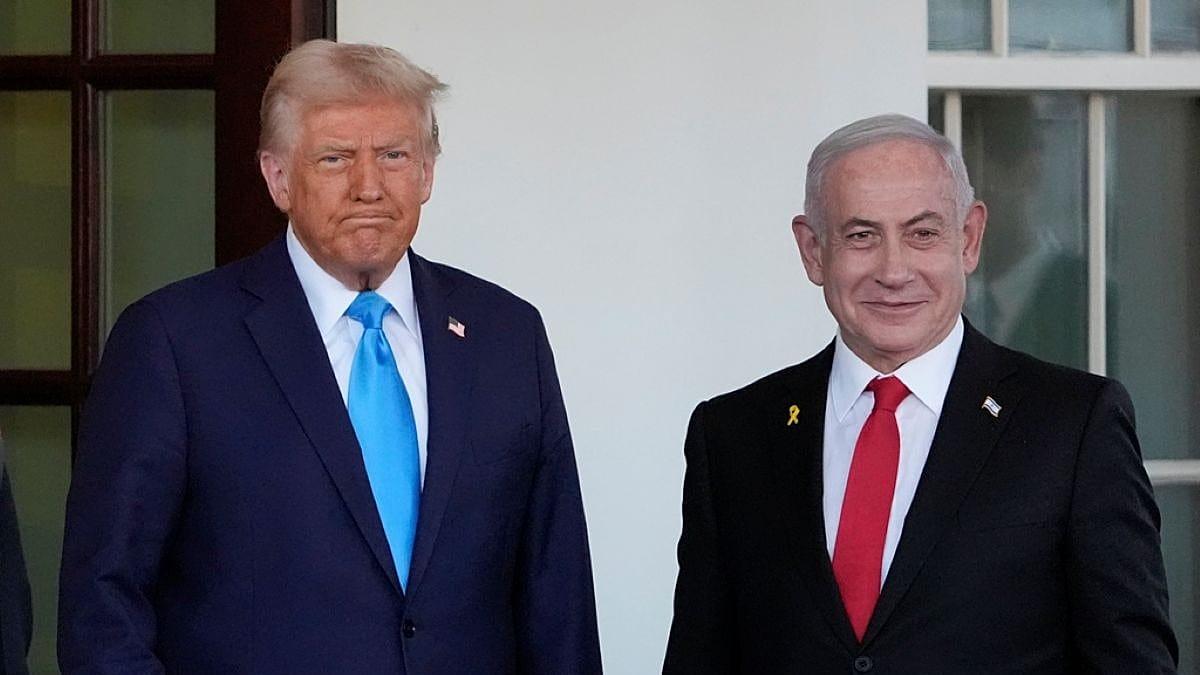
Hours after Israeli Prime Minister Benjamin Netanyahu met U.S. President Donald Trump in the White House on Tuesday night, Iran launched five ballistic missiles directly at a major US airbase in Jordan, and the missiles were intercepted with no infrastructure damage or harm to US personnel.
The Jerusalem Post says the Iranian “surprise attack” on the US base gave Netanyahu an “unexpected reprieve,” while the article describes how the narrative before the visit was that Netanyahu came to press Trump to resume attacks on Iran.
The same Jerusalem Post account links the sequence to America’s response, saying that just hours after the attack the US and Saudi Arabia conducted joint airstrikes in Iraq against Iran-aligned militias, killing at least 20.
It adds that on Wednesday night, as Trump had pledged earlier in the day, the US carried out a wave of strikes in Iran targeting dozens of sites, including command and control centers and missile and drone facilities.
MS NOW frames the meeting itself as closed to the press and says it was the first face-to-face encounter between the two allies since the U.S. and Israel launched a joint attack against Iran on Feb. 28.
Rift narrative and denials
In an ABC interview with Linsey Davis on Wednesday, Netanyahu was asked: “When you met with President Trump at the White House, did you try to persuade him to resume attacks on Iran?” and he answered, “Actually, no. That is a caricature – a cartoon picture. It is not true.”
The Jerusalem Post argues that the choreography around the Netanyahu-Trump meeting has fueled speculation about a widening rift, but it says the more important question is whether Israel and the US remain coordinated on Iran.

MS NOW reports that a senior Israeli official, granted anonymity, said Trump and Netanyahu did not come to a final decision after discussing three paths forward: a “good deal” focused on Iran’s nuclear program, no deal with continued blockade and economic pressure, or escalated military action.
That same MS NOW account says the senior Israeli official described Netanyahu as not ruling out diplomacy as long as it is coupled with “very strong pressures,” calling the push to dismantle Iran’s nuclear program “a contest of will and a contest of force.”
The Jerusalem Post also notes that opposition head Yair Lapid often says “turning Israel into a vassal state,” tying the rift narrative to political damage for both leaders.
What comes next for Gaza
Beyond the Iran-focused diplomacy, MS NOW says the talks largely focused on what to do next as Iran continues to menace shipping in the Strait of Hormuz and retaliate against American bases in the region and launch attacks on Gulf allies. The Jerusalem Post describes how the narrative of Netanyahu luring Trump into a disastrous war with Iran is politically damaging, and it says the framing is gaining traction from the Democratic Socialist Left to the Tucker Carlson Right. Ynetnews reports that Trump has settled on an Iran strategy for the coming months aimed at avoiding a major escalation before the U.S. midterm elections in early November, while still responding after Iran’s missile attack on Jordan.
“Congress authorized Trump in April to continue a military operation, not a war.”
It adds that the assessments say the three months remaining before the elections would allow the United States to accelerate production of munitions, particularly interceptors, and make other preparations for a wider confrontation expected to resume later. In the same Ynetnews account, Congress authorized Trump in April to continue a military operation, not a war, and it says the authorization was valid for 60 days, requiring a pause or at most low-intensity fighting to avoid seeking congressional approval for a prolonged war.