Gaza Genocide01 August, 20263 min read
PLO Executive Committee Warns of Dangerous Escalation in Occupied Palestinian Territories Over Settlements
This article is an automated aggregation of coverage from news outlets. Our editorials offer in-depth analysis curated by the NewsCord team.
PLO Executive Committee welcomed the second phase of the Gaza ceasefire. Dangerous escalation in occupied territories from settlement expansion and settler violence, protected by occupation authorities.
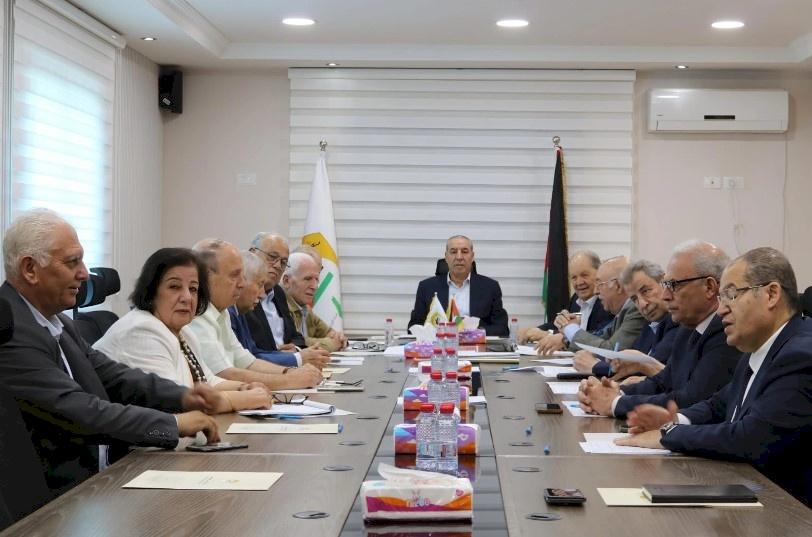
PLO backs Gaza ceasefire
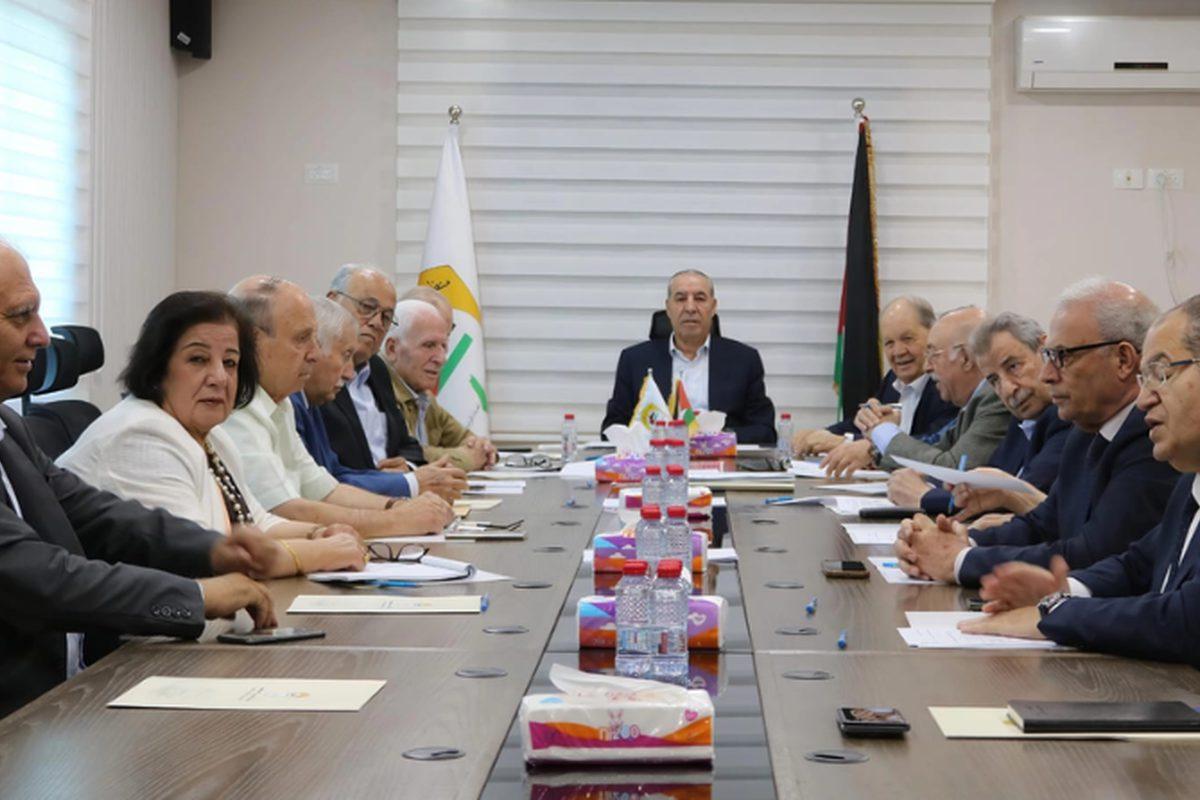
The Executive Committee of the Palestine Liberation Organization held a meeting chaired by Vice President Hussein al-Sheikh on Saturday to discuss developments in the occupied Palestinian territories and to welcome the announcement of reaching an agreement on implementing the second phase of the ceasefire in the Gaza Strip. The committee warned of “dangerous escalation” in the occupied Palestinian territories due to settlement expansion policies and the rising violence of settlers, with the support and protection of the Israeli occupation authorities against Palestinian cities, towns, villages, and refugee camps.
It emphasized the necessity of the international community taking a firm and effective stance against settlement activity, calling it a violation of international law and international legitimacy decisions, “especially UN Security Council Resolution 2334.” The Executive Committee also stressed that fully implementing the second phase is meant to ensure a permanent halt to the war, end the humanitarian suffering of the Palestinian people, and secure the complete withdrawal of Israeli occupation forces from the Gaza Strip.
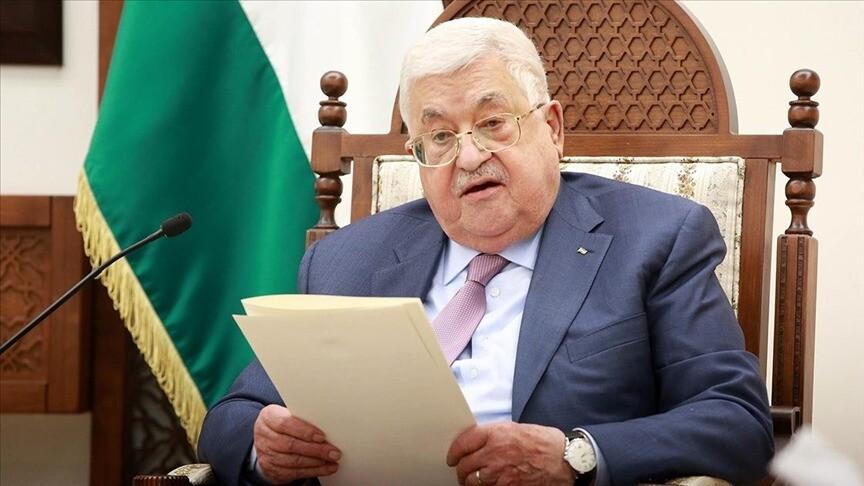
Hussein al-Sheikh and Mustafa
In Ramallah, the Executive Committee chaired by Hussein al-Sheikh adopted decisions aimed at protecting the rights of the Palestinian people and strengthening their steadfastness on their land, while calling for urgent international protection and immediate intervention to stop policies of ethnic cleansing and forced displacement. Prime Minister Mohammad Mustafa reviewed the government’s efforts to support Palestinians in the Gaza Strip despite financial difficulties, saying these efforts have continued in education and health through providing 5 billion shekels over the past two years in salaries and financial allocations for tens of thousands of doctors, teachers, and employees.
The committee also welcomed the Brussels donors’ conference held two weeks earlier, saying the State of Palestine secured one billion dollars for the first phase of the early recovery program. In the same context, the Executive Committee affirmed that the agreement should mark the beginning of a serious political path that ends the Israeli occupation and guarantees the Palestinian people’s right to self-determination, including the establishment of an independent sovereign Palestinian state on the borders of June 4, 1967 with East Jerusalem as its capital.
Disarmament conditions and stakes
As the second phase of the ceasefire agreement is discussed, Hamas said its consent to include the heavy weapons file was contingent on a comprehensive halt to Israeli military operations, the withdrawal of Israeli forces from the Strip, and the deployment of international protection forces. An Israeli political source said the army would not withdraw from Gaza unless there is an actual disarmament of Hamas' weapons, adding that “there will be no Israeli army withdrawal from areas it controls in the sector unless Hamas takes concrete steps to disarm.”
Hamas also argued that implementing the second phase remains “subject to” the occupation’s commitment to implementing all items of the first phase, describing stopping killings and ending Israeli “attacks” as the essential entry point to moving forward. The WAFA Agency reported that the Executive Committee stressed the importance of all parties’ commitment to implementing the comprehensive peace plan in accordance with UN Security Council Resolution 2803, which it said requires a full Israeli withdrawal from the Gaza Strip and the uninterrupted flow of humanitarian aid while enabling the State of Palestine to assume full national, administrative, and security responsibilities in the Strip.