Iran · 28 July, 2026 · 3 min read
Iran No to Execution Tuesdays Campaign Enters 131st Week as Hunger Strikes Demand Halt to Executions
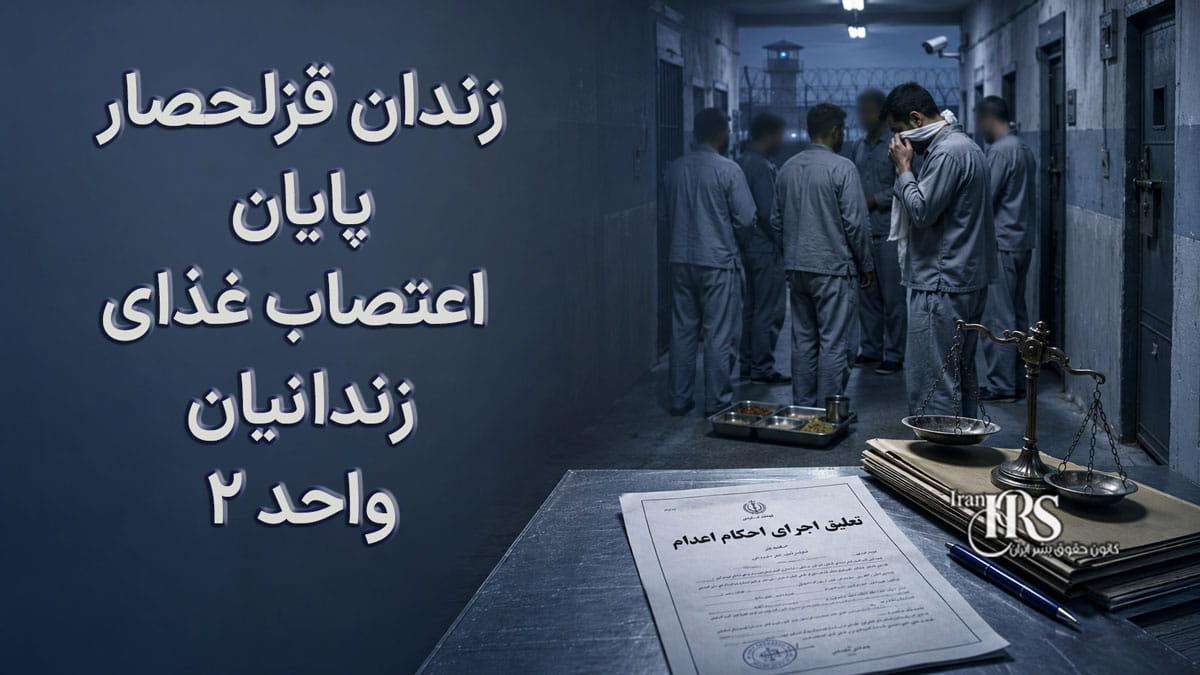
131st week of No to Execution Tuesdays with hunger strikes across 59 prisons. Ghezel Hesar prison hosts a mass hunger strike involving about 1,500 death-row inmates.
Cause and context emphasis for the hunger strike protest.
4 of 5 outlets skipped it: campaign marked 131st week and memorialised executed prisoners..
France 24 was read line by line by the Watchdog: 4.6. See the score →
23outlets compared
Same story, two versions
tap a side to read it in full
The Guardian
“at least 1,500 death row prisoners at Ghezel Hesar prison near Tehran”Read the original ↗
Iran Freedom stresses repression and 59-prison campaign; Guardian focuses on Ghezel Hesar videos
Hunger strikes across prisons
Iran’s “No to Execution Tuesdays” campaign entered its 131st week as political prisoners and death-row inmates in 59 prisons across Iran continued hunger strikes demanding an immediate halt to executions and abolition of the death penalty.
“continued their hunger strike as part of the 131st week of the “No to Execution Tuesdays” campaign”
The campaign said the 131st week coincided with the anniversary of the execution of political prisoners Behrouz Ehsani and Mehdi Hasani, who it said were executed on July 26, 2025 after a violent prison raid.

In its latest statement, the campaign warned that executions in Iran continue despite condemnation, saying "at least 303 people have been executed since March 21, 2026".
The campaign also said it was dedicated to remembering Behrouz Ehsani and Mehdi Hassani and that their fellow prisoners and families continued to demand accountability and information about their final resting places.
It further tied the hunger strikes to international pressure, citing the UN Fact-Finding Mission on Iran’s concern over death sentences in the “Alikhani Square” case in Isfahan and noting that the European Union imposed sanctions on five Iranian judges accused of involvement in issuing death sentences.
Ghezel Hesar protest escalates
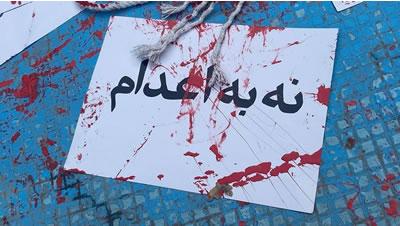
At Iran’s Ghezel Hesar prison near Tehran, prisoners in a mass hunger strike sewed their lips shut and held placards reading “No to Executions” as executions surged, according to the Guardian’s report.T
The Guardian described videos shared by rights groups in exile in which a prisoner said he was sewing his lips shut because, “six days into the hunger strike, no prison official has responded to the protest.”T
The Times of Israel reported that over 1,500 death row inmates in the Tehran area had been on hunger strike for two weeks, with some prisoners sewing their mouths shut, and said the hunger strike began two weeks ago after six inmates at Ghezel Hesar were transferred to solitary confinement ahead of their presumed execution.
The Times of Israel also said prison guards had not responded to the strike and had refused medical treatment for some inmates, while prisoners chanted “Be our voice.”
In a message relayed to the Guardian, the prisoners said, “Where else in the world is a human life taken for a first mistake?” as the protest continued in the second unit of Qezel Hesar prison in Karaj.T
Public hangings and international outcry
Alongside the prison hunger strikes, Iran publicly executed two protesters in Isfahan at dawn on July 28, with France 24 reporting that several hundred people gathered near a stage set up in Alikhani Square and chanted slogans against the police.
“Public executions in Iran spark anti-regime protests”
France 24 said the regime hanged two protesters, Abolfazl Sepahi and Amir Safari, in Isfahan on July 28, and that they were among at least 12 young men sentenced to death for the killing of four police officers during anti-regime protests in January 2026.
Iran Human Rights (IHRNGO) said the public hangings of Abolfazl Sepahi Badjani and Amirhossein Safari Hosseinabadi were the first recorded public hangings in 2026 and reported that a large group gathered at the scene “in an attempt to stop the executions” but were met with violent force.
IHRNGO Director Mahmood Amiry-Moghaddam condemned the executions, stating, “Public executions are a cruel form of state terror that the international community must not tolerate.”
In response to the executions, Amnesty International said the public execution of two protesters “marks a further escalation in the authorities’ use of the death penalty to quash dissent,” and warned that at least 60 others, including three arrested as children, remained at risk of execution.