Iranupdated 1h ago2 min read
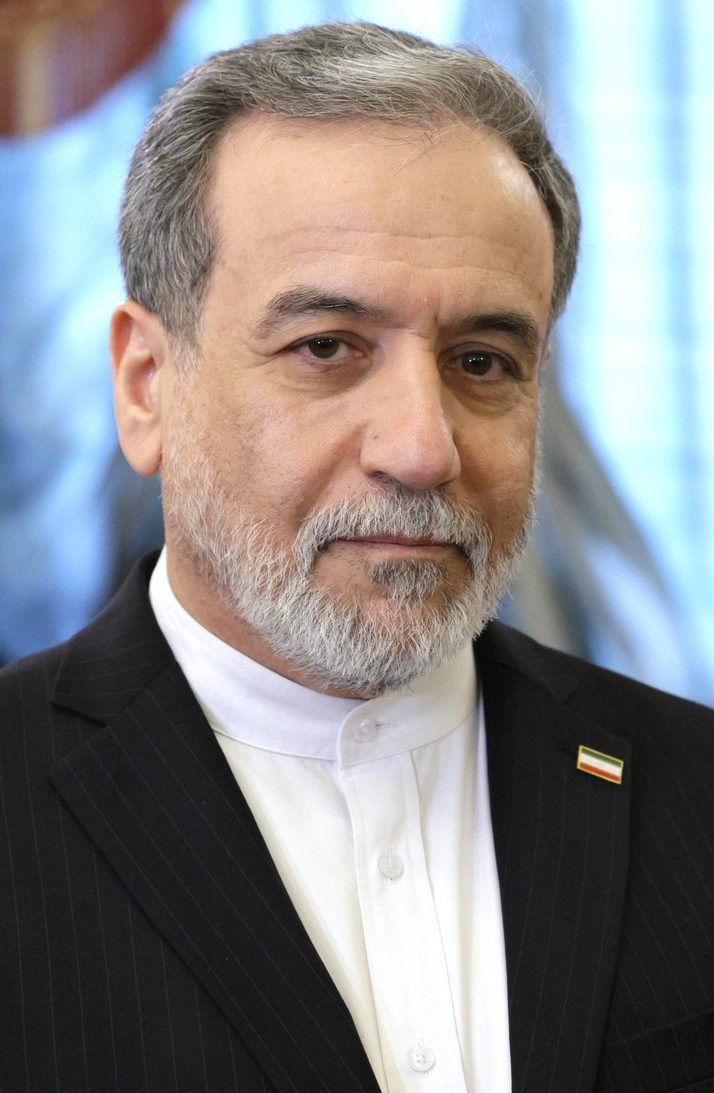
Archive photo · 27 April 2026Abbas Araghchi Says Iran Pursues Diplomacy as U.S. Defense Cites $47 Billion War Costs
“Throughout the 2026 Iran war the United States has repeatedly threatened to attack the tunnels”
“We do not care who rules the usurping Israeli entity, but let it know that it will not be able to continue its occupation”
Photo: Kremlin.ru, CC BY 4.0 · Cropped for layout
This article is an automated aggregation of coverage from news outlets. Our editorials offer in-depth analysis curated by the NewsCord team.
Iran studies Qatar-mediated draft agreement and plans a timely response. Post-midterm, US-Israel strikes on Iran may resume.
Diplomacy and threats
Iran’s Foreign Minister Abbas Araghchi told a Cabinet meeting that Tehran is still pursuing diplomacy through regional intermediaries, including consultations tied to Iranian-American relations and meetings with the Qatar delegation and the Pakistani Army Chief.
Iranian President Masoud Pezeshkian said during a government meeting that his country seeks to overcome “no war, no peace” through national cohesion and adherence to the directives of the top leadership.
The U.S. Department of Defense presented to Congress that the military has spent to date more than $47 billion to manage operations related to the confrontation with Iran, an increase of about 25% compared to estimates announced last July.
The Jerusalem Post quoted a diplomatic official confirming “deep military and intelligence cooperation between the United States and Israel,” while the official said any decision on upcoming military strikes will be based on strictly professional considerations in line with shared interests.
Qatar proposal and U.S. timing
Iran is studying a new draft agreement submitted by mediators from Qatar and will respond within days, as the proposal is described as a seven-day framework obligating both sides to take daily steps to build trust. The Qatari Foreign Ministry spokesperson ماجد الأنصاري said Iran should stop the threats directed at regional states and guarantee freedom of navigation in the Strait of Hormuz to prove good faith.
The Wall Street Journal reported that American messages to Gulf states told them to prepare for a short, sharp military campaign after the U.S. midterm elections, and the report said U.S. forces could launch large-scale operations against Iran within 96 hours of receiving an order from President Trump. Trump said, “Anything is possible,” and he repeated that “The war can end at any time I want.”
Escalation options and costs
Iran’s options for facing a new war include preparing for both a swift American quick win and a longer regional war, as Dani Sitriunovich said, “I think one of the biggest mistakes Washington and Tel Aviv continue to make is the assumption that another round of strikes on Iran could somehow topple the regime.” Hossein Mohibi, spokesman for the IRGC, said Iran “will not stop until it drives the United States from the region, punishes the aggressor, and establishes a lasting deterrent so that no one dares to attack Iran.”
The IRGC shifted its attacks from small oil tankers to large oil tankers, and the IRGC announced that ships using the “illicit” corridor would be pursued and intercepted across the region. The cost of the American war against Iran rose to 47 billion dollars, and CENTCOM said the largest part of the cost was 29 billion dollars for replacing ammunition, with nearly 12 billion dollars for additional costs of military operations and 6.1 billion dollars to replace lost equipment.