Iran · 04 August, 2026 · 3 min read
Iran Sets Conditions To Reopen Strait of Hormuz, Oil Prices Rise
Iran ties Strait reopening to US concessions, compensation and sanctions relief. Iran and Oman near final agreement on a new Hormuz navigation route.
284 outlets told this the same way.
7 of 8 outlets skipped it: US Army says ~1,000 ships passed via Hormuz with American help in three months.
284outlets compared
Conditions for Hormuz reopening
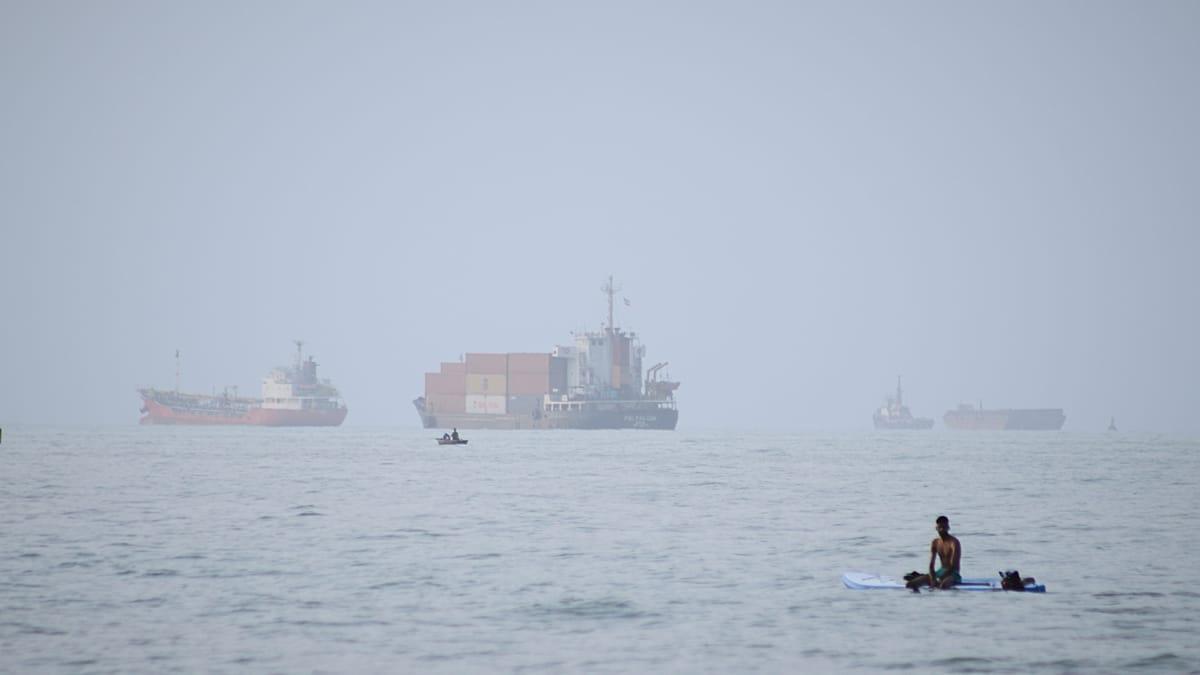
Oil prices rose Monday as Iran set conditions for reopening the Strait of Hormuz, with Brent crude futures for October delivery climbing 1.09% to $84.46 a barrel and US West Texas Intermediate futures for September rising 0.84% to $78.84. Iranian Foreign Minister Abbas Araghchi said Sunday that the strategic waterway would not reopen until Washington meets conditions including easing sanctions and paying war reparations, and he added that Tehran is not currently in direct talks with the US despite Washington’s claim that a deal is near. Westpac said, "The Strait of Hormuz remains effectively closed," as the Iran war entered its sixth month.
The same report said Asian stocks rose, with Japan’s Nikkei 225 gaining 2.1%, South Korea’s Kospi up 0.7% and Hong Kong’s Hang Seng Index 0.6% higher. In parallel, U.S. stock indices hit fresh record highs at the close on Tuesday, supported by strong corporate earnings and a drop in oil prices as hopes grew for progress in talks aimed at reopening the Strait of Hormuz.

Talks with Oman, threats
Iran’s position on reopening remained tied to Oman talks, with an Iranian official quoted by Iran’s Press TV saying reaching an understanding with the Sultanate of Oman is within reach if the United States stops its interference.
The U.S. side framed progress differently, with U.S. Secretary of State Marco Rubio saying that Iran and the Sultanate of Oman are making progress in talks over the Strait of Hormuz, and he added, "we hope to reach an agreement to open the Strait of Hormuz very soon."

In an interview with Fox News, President Donald Trump warned Tehran that it would face a "severe" military action if negotiations collapse, while also saying, "We were about to carry out a massive strike, the biggest since World War II, but the Iranians called me and said, please, can we talk?"
Trump also said the strait will open very soon, otherwise they will face a harsh blow, and afterward the strait will be open, as he told Fox News that the sides are engaging in "very good discussions."
A separate report said Iran’s Foreign Ministry spokesman Saeed Khatibzadeh stated, "We are not currently negotiating with the United States," and that negotiations are with Oman to secure passage through the Hormuz Strait.
Market, military and next steps
As diplomatic efforts continued, the U.S. Army said it helped a thousand ships pass through the Strait of Hormuz in 3 months, while noting that the southern route remains open to commercial ships seeking to traverse the international waterway.
“The United States has far more munitions in reserve than any other country; far more than we need.”
The Army confirmed that American forces continue to impose the blockade on Iran rigorously, and it said that as of August 3, Centcom changed the course of 44 commercial ships, disabled two ships, and boarded two others as part of its operations in the region.
In the U.S. policy debate, Reuters reported that during Iran’s five-month war the United States has used up a large portion of its long-range and highly accurate missiles, raising concerns about U.S. military readiness for potential future engagements.
Reuters also said the missiles mainly include the Army’s ground-to-ground missiles known as the Army Tactical Missile System (ATACMS) and the Precision Strike Missile (PrSM), and it quoted a statement attributed to Trump saying, "The United States has far more munitions in reserve than any other country; far more than we need."
The stakes for reopening were described in market terms and in negotiations terms, with oil price moves tied to Iran’s demands for easing sanctions and paying war reparations, and with Trump saying he would know within 48 hours what will happen with Iran.