Full story
Hormuz reopening conditions
Iran said the Strait of Hormuz will not reopen until the United States “corrects” its behavior, as Iranian officials tied any resumption of traffic to demands that include ending the naval blockade and lifting sanctions.
“Until the United States corrects its behavior, the Strait of Hormuz will not be opened”
Mohammad Baqer Zolghadr, secretary of Iran's Supreme National Security Council, said, “Until the United States corrects its behavior, the Strait of Hormuz will not be opened,” while CBS News reported the Supreme National Security Council issued a list of “highly unlikely demands” for full reopening.

CBS News also said Iran targeted a vessel owned by the Abu Dhabi National Oil Company in the Strait of Hormuz on Saturday despite ongoing talks with Oman over how to manage the disputed waterway.
Iran’s Foreign Minister Abbas Araghchi told reporters that talks with Oman were “approaching the final stages,” but cautioned, “this is not a sign of the reopening of the Strait of Hormuz.”
US talks and weapons push
While Iran laid out conditions for reopening Hormuz, Vice President JD Vance told Fox News that the U.S. is “in the middle of the game,” and he said the administration has made “some progress” in negotiations with Iran in recent days.
Vance said, “I try to remind people we're really in the middle of the game here. This thing is not over,” and he added on Fox News, “we've made some progress over the last few days,” while cautioning that Tehran has not yet delivered everything the Trump administration is seeking.

CBS News reported the Pentagon is pressing the U.S. defense industry to accelerate production of weapons, with Pentagon spokesman Sean Parnell saying the department is focused on providing “the weapons our warfighters need at the pace the threat demands.”
CBS News also said Deputy Defense Secretary Steve Feinberg wrote to industry leaders giving them no more than 21 days to submit plans to “drive significantly faster, more aggressive delivery schedules and/or increased production for critical capabilities,” and it cited claims that the U.S. has used nearly all of its global stockpile of long-range precision missiles during the war with Iran.
Regional spillover and stakes
The Hormuz standoff is unfolding alongside renewed fighting in Yemen, where Col. Majed al-Nazili, spokesperson for Yemen's military, said retaliatory attacks targeted Houthi “sites and capabilities” on multiple front lines after the Houthis’ recent strikes in central and eastern Yemen.
“The renewed U.S. blockade on the Strait of Hormuz has redirected 53 ships”
Fox News reported that Hizam al-Asad, a member of the Iran-backed group, warned Turkey in a post on X, characterizing Saudi Arabia's involvement in Yemen as an “aggression and siege” and telling Ankara to consider the history between Riyadh and the Houthis.
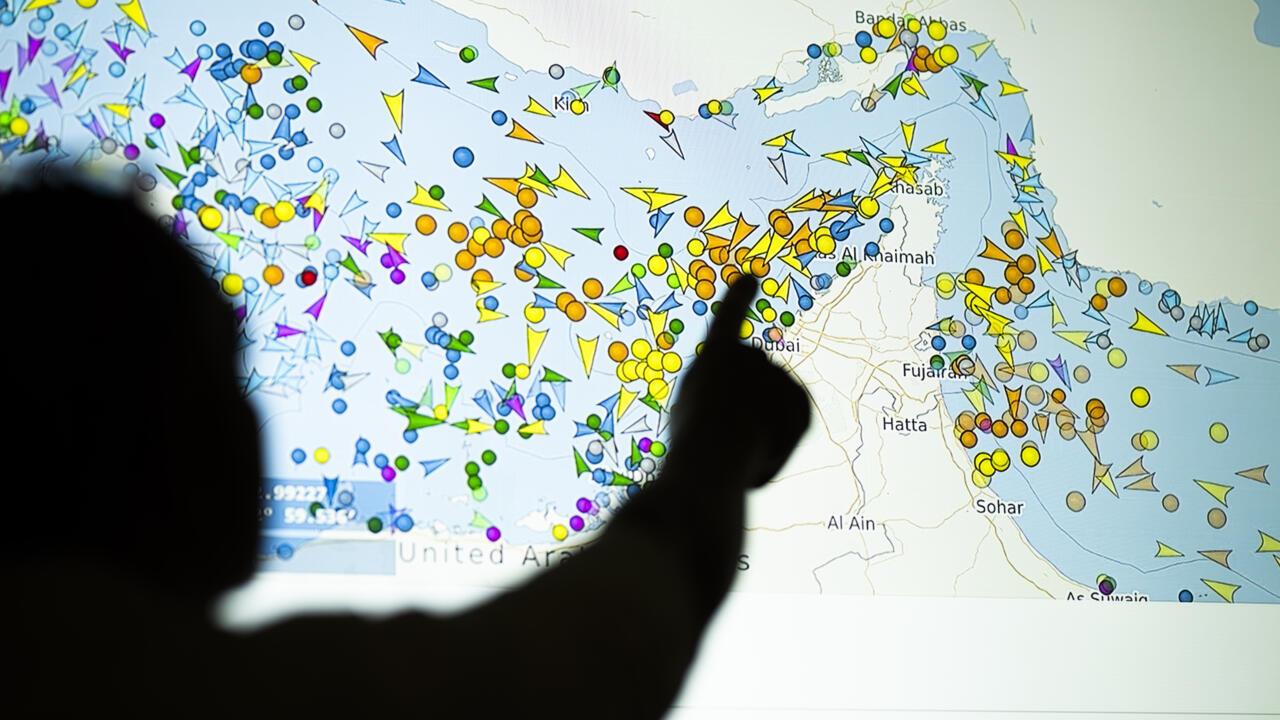
CBS News said the renewed U.S. blockade on the Strait of Hormuz redirected 53 ships trying to enter or exit Iranian ports, and it noted the blockade was reinstated on July 14 after Iran targeted ships in the strait and a ceasefire fell apart.
The Guardian framed the political stakes inside Iran around a negotiating timetable, quoting Kazem Gharibabadi telling IRNA that after agreeing a route for commercial shipping through the strait of Hormuz, it would take two to four months to reach the second phase of negotiations on Iran’s nuclear programme.