Iran20 September, 20262 min read
Iran Sends Negotiation Conditions to Trump Through Qatar as Khatam al-Anbiya Warns of Painful Strikes
This article is an automated aggregation of coverage from news outlets. Our editorials offer in-depth analysis curated by the NewsCord team.
Iran moved negotiation terms to the United States via Qatar and Pakistan; awaiting Trump’s response. Khatam al-Anbiya warns any US attack will trigger sustained, painful strikes on US bases.
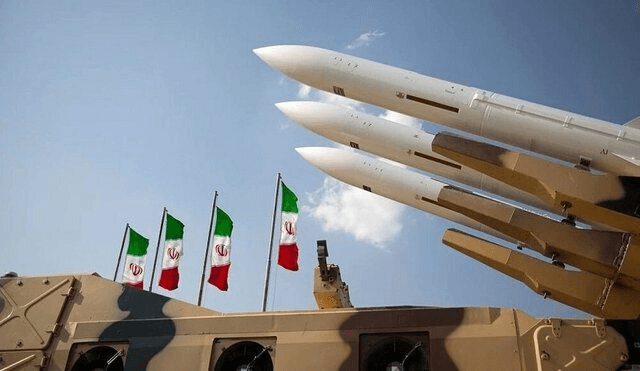
Diplomacy and threats
The war between the United States and Iran entered another potentially decisive period as Tehran offered Washington conditions for negotiations while military operations continued across the Middle East, with no ceasefire and fighting not stopped. STL.News reported that Iranian officials said Tehran transmitted conditions for renewed negotiations to the Trump administration through Qatar, and that Mohsen Rezaei said, “We are awaiting President Trump’s response.”
Mehr News Agency said Khatam al-Anbiya Central Headquarters warned that “any US attack on Iran will trigger sustained and painful strikes against all US bases and interests across the region, without limitation.” Mehr News Agency also quoted Abolfazl Zolfaghari saying, “In the event of any attack on Iranian ships, the armed forces of the Islamic Republic of Iran will severely target American bases and interests in the region.”

Hormuz, blockade, and numbers
STL.News said U.S. Central Command commander Adm. Brad Cooper stated that American forces helped the past two months and that “more than 2,000 commercial vessels have transited the waterway with U.S. assistance.”
STL.News added that CENTCOM said the volume of crude oil, liquefied natural gas and other cargo passing through the strait during the past two weeks reached its highest level in six months, while the United States enforced a naval blockade against vessels traveling to or from Iranian ports.

STL.News reported that U.S. officials said Iranian Islamic Revolutionary Guard Corps boats attempted to seize a U.S. unmanned naval vessel near Iranian waters on Sept. 14, and that American forces responded by destroying two Iranian boats.
In a separate account, the BBC said Mohsen Rezaee told Al Jazeera that Iran’s conditions include “an end to the war on all fronts, the release of Iran’s blocked assets, and an end to the naval siege,” while he said Tehran was “awaiting a response from President Trump.”
Regional warnings and escalation
Tabnak reported that the U.S. embassy in the United Arab Emirates warned Americans that “the security situation remains complex and there is a possibility of an unexpected escalation in tensions.” Tabnak also said the embassy warned that American citizens should be aware of “the potential cancellations of flights, closures of airspace, and travel disruptions,” and that Iran and Iran-backed groups may target other U.S. interests abroad or places associated with the United States and American citizens worldwide.
Ynetnews reported that Iran’s Supreme National Security Council secretary Mohsen Rezaei told Qatar’s Al Jazeera that Tehran was prepared for what he called a “decisive war,” and that “Trump’s threats will not achieve any results.” Ynetnews further reported that Rezaei said Iran had presented the Trump administration with seven conditions for reopening negotiations, and that the publicly disclosed conditions included ending the war on all fronts, releasing frozen Iranian funds and lifting the U.S. naval blockade restricting Iranian oil exports.