Iran · 19 July, 2026 · 3 min read
Iran Vows To Punish U.S. After U.S. Heavy Wave Strikes Hit IRGC Targets
Iran vows to punish the aggressor after U.S. strikes. U.S. launches a heavy wave of strikes against IRGC targets in Iran.
Who causes/owns the Egypt port drone strike.
4 of 5 outlets skipped it: democrats demand answers about Kuwait care delays.
NBC News was read line by line by the Watchdog: 6.1. See the score →
69outlets compared
Same story, two versions
tap a side to read it in full
Fox News
“it is time for the U.S. and Israeli militaries to "finish the job" against Tehran.”
The Guardian
“facing growing demands to explain why wounded US soldiers went more than a week without adequate hospital care”
Fox foregrounds Trump/Pence and rewards, while Guardian centres Pentagon care delays
Heavy strikes and vows
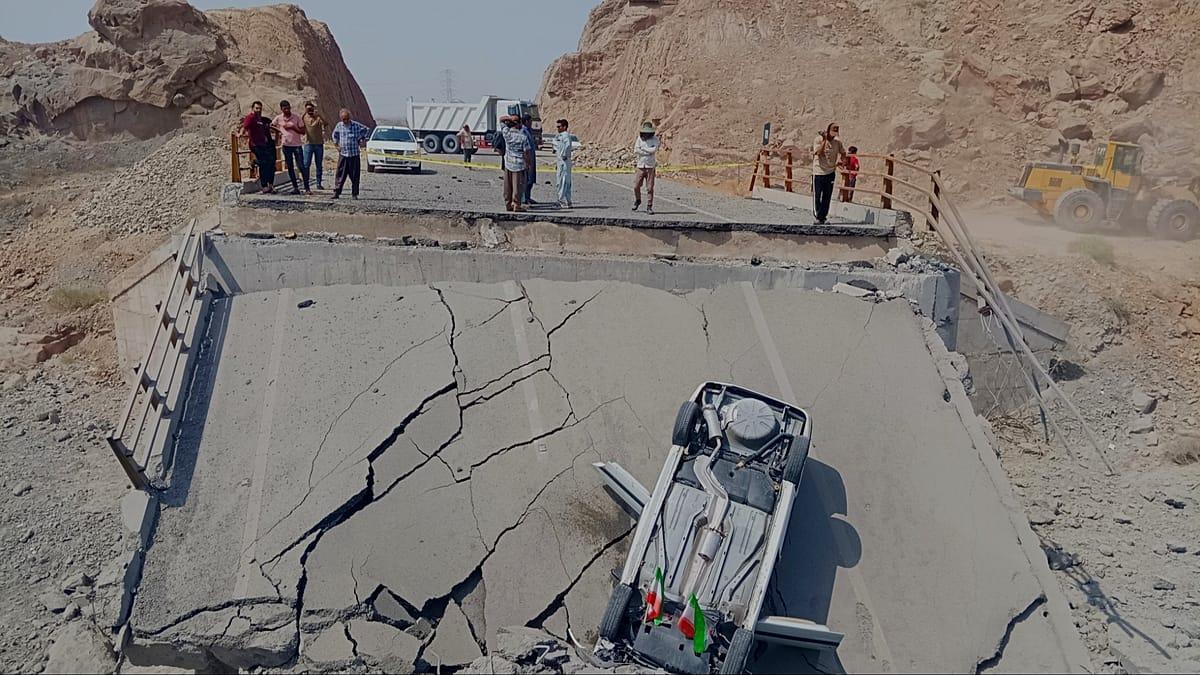
Iran vowed to “punish” the United States on Thursday after the American military said it had completed a “heavy wave of strikes” overnight, the latest retaliation for an attack by Tehran on U.S. forces in the Middle East.
“Iran vowed to “punish” the United States on Thursday”
The Islamic Revolutionary Guard Corps (IRGC) signaled the flare-up would not end there, warning early Thursday that “the aggressor will be punished today” following the U.S. strikes.
Jordan said it intercepted a new barrage from Iran, while Kuwait said an Iranian strike hit a building belonging to a Chinese company, killing one worker.
U.S. Central Command said it had completed a “heavy wave of strikes against Iran” in response to what it had previously described as an “attempted surprise attack” on American forces, and it said dozens of IRGC targets were struck over two hours.
The renewed fighting shattered a brief period of calm that had seen the two sides engage with a push to revive diplomatic efforts and stave off dramatic new escalation, according to NBC News.
Blockade enforcement and casualties
As the conflict widened, the U.S. military said it had turned around 24 commercial ships in Iran blockade enforcement, and CENTCOM said it had redirected 24 commercial vessels since restarting a blockade on Iranian ports earlier this month.
CENTCOM also said it had boarded two ships accused of violating the blockade and fired at two other ships to disable them, while the U.S. publicly insisted the Strait of Hormuz was still open to commercial traffic.

In parallel, the BBC reported that Saudi Arabia announced that it has formed a 'naval defense alliance' to secure shipping around the strategic Bab al-Mandeb Strait, after Iran-backed Houthi militants said they would impose a naval blockade against Saudi Arabia.
The BBC said the Saudi Ministry of Defense, in a joint statement on behalf of 14 member countries, stated the aim was to 'strengthen maritime security, safeguard freedom of navigation, ensure security of international trade routes and energy transmission lines, and protect shared maritime interests in Bab al-Mandeb, the Red Sea and the Gulf of Aden.'
In the same period, Iran’s state media reported three people were killed in U.S. strikes on Qeshm Island, and the Straits Times said the drone hit a US-owned gas storage tanker at Egypt’s Mediterranean port of Damietta, with no party claiming responsibility.
Sanctions, diplomacy pressure
The U.S. Treasury sanctioned Mahan Air, Iran's biggest airline, saying it has long played a central role in enabling the Islamic Revolutionary Guard Corps (IRGC) by providing travel services for IRGC‑Qods Force personnel and facilitating military training.
“The U.S. Treasury has sanctioned Mahan Air”
CBS News also reported that the U.S. Treasury said it sanctioned Shanghai Wings, which the U.S. said had coordinated the transport of electronics from China to Iran, and it noted that the U.S. has announced several rounds of sanctions targeting Iran — at least 12 since the war began on Feb. 28.
In Congress, a Senate vote to limit President Trump's war powers failed again, with the resolution brought by New York Sen. Kirsten Gillibrand losing 49-50, and the BBC said the alliance announcement came as the conflict threatened to draw more countries in the region.
The Guardian reported that Democrats demanded answers over treatment of wounded U.S. troops after an March drone strike in Kuwait, and it said a letter to defense secretary Pete Hegseth urged the Pentagon to answer 23 questions by 12 August.T
The Guardian added that the letter pressed Hegseth on the Pentagon’s official count of how many U.S. service members have been killed in the war on Iran, which it said dropped from 18 to 14 on 23 July, with the department blaming a data problem.T