Iran17 August, 20263 min read
Iran War Enters Sixth Month as U.S. Seeks to Degrade Iran’s Military Capabilities
This article is an automated aggregation of coverage from news outlets. Our editorials offer in-depth analysis curated by the NewsCord team.
Pentagon weighing smaller U.S. military presence in the Gulf as the war continues. Iranian officials say foreign bases undermine security and external forces proved liability.
7 outlets told this the same way.
Outlets did split on Iran Reviews US Negotiation Proposals As Pakistan And Qatar Mediate Strait Of Hormuz Dispute →
Six months, no endgame
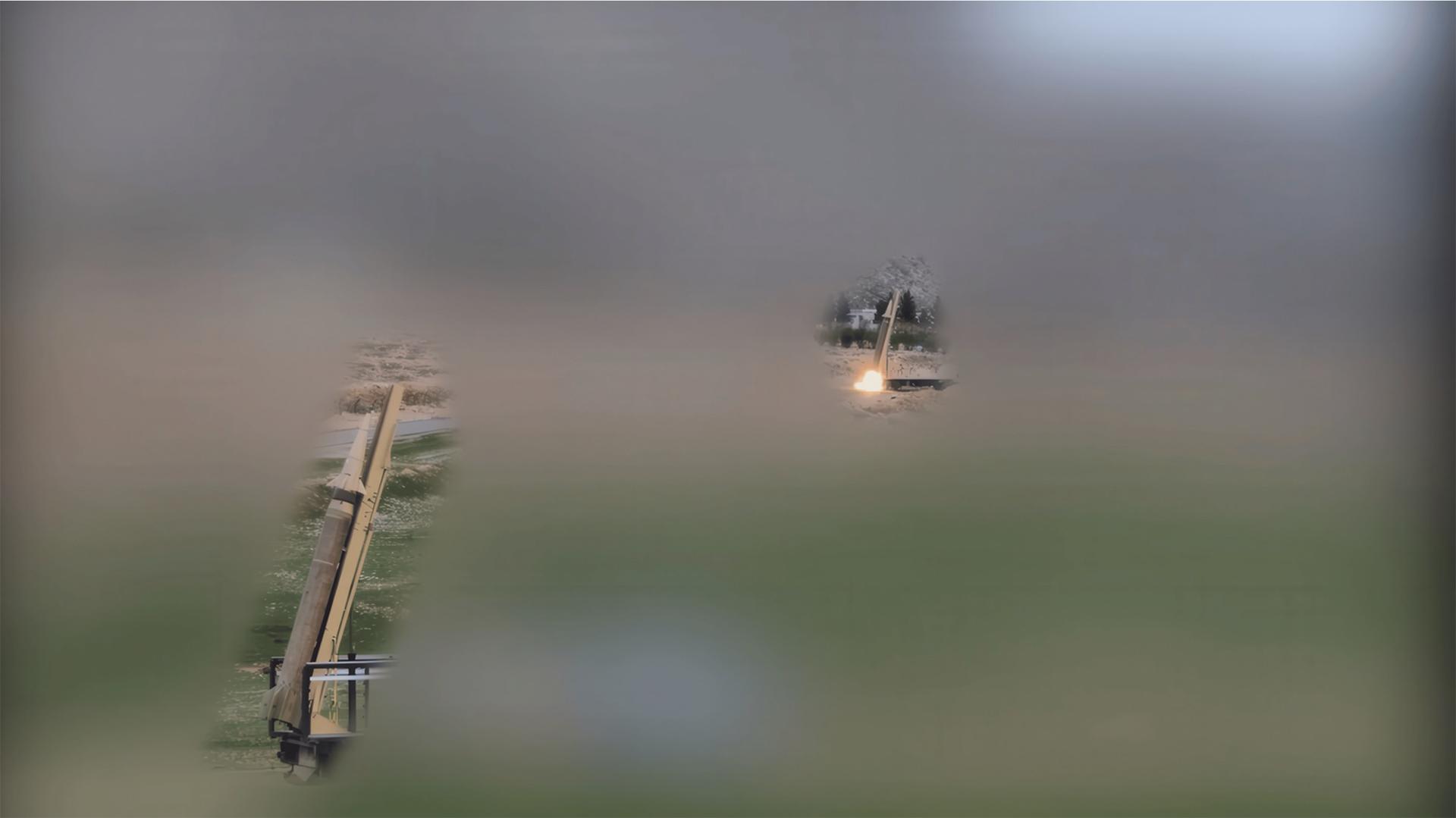
The Al Jazeera Centre for Studies frames the direct military confrontation between the Islamic Republic of Iran and the United States as entering its sixth month, with both sides moving toward a complete deadlock and questions mounting over how the conflict might ultimately end. It says the conflict culminated in the outbreak of war on 28 February 2026, with the US government stating its primary objectives were to degrade and destroy Iran’s military and missile capabilities, eliminate its weapons-production infrastructure, and prevent Tehran from acquiring nuclear weapons. Six months later, the same analysis says Iran has, at a minimum, managed to withstand the conflict despite suffering heavy losses, while the United States has achieved some tactical objectives but has yet to secure the strategic gains necessary to disengage.
The piece adds that the situation remains shaped by the continued resilience of Iran’s nuclear programme, the uncertain fate of its stockpile of enriched uranium, and restrictions on maritime traffic through the Strait of Hormuz. It also quotes US Secretary of State Marco Rubio arguing, “If we had not attacked Iran, they would have built such a conventional arsenal that attacking Iran would no longer have been possible.”
Araghchi: bases bring insecurity
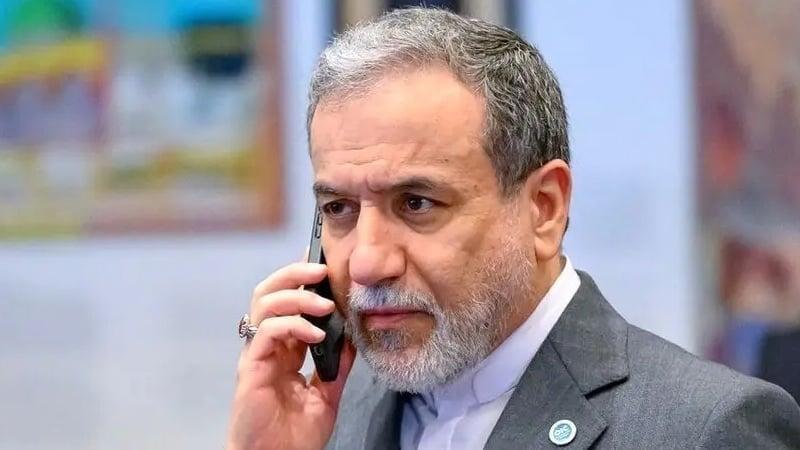
Iranian Foreign Minister Abbas Araghchi told the Iranian Vice Presidency for Communications that the recent 40-day war fundamentally altered perceptions of regional security, arguing that a foreign military presence is a liability rather than a guarantee of safety. In the interview published on Tuesday, Araghchi said, “But the recent war showed that foreign forces and foreign bases not only failed to bring security, but actually became sources of insecurity.” He argued that countries without US military installations remained significantly safer and less affected by the war than those hosting American troops, which he said ultimately served to protect Israel rather than their host nations.
Araghchi also said Iran had resumed contacts with regional countries and pointed to Qatar’s role, saying Qatar “explicitly and formally entered into mediation between us and the United States, playing a very important role alongside Pakistan.” He described the “weak Iran” perception as having been erased after what he called 40 days of resistance, attributing it mainly to the foreign-backed January riots and the economic hardships caused by sanctions.
Rubio, Hormuz, and talks
As the conflict’s regional pressure continues, Anadolu Ajansı reports that US Secretary of State Marco Rubio spoke by phone with United Arab Emirates National Security Adviser Sheikh Tahnoon bin Zayed Al Nahyan about regional security issues including Lebanon. The State Department said the two discussed “continued U.S.-UAE coordination to hold Iran and its terrorist proxies accountable for ongoing attacks,” and Rubio underscored the importance of freedom of navigation through the Strait of Hormuz. Anadolu Ajansı also says the UAE suspended all trade exchanges and financial transactions with Iran “until further notice” after saying Iran fired two ballistic missiles towards the Gulf state.
The same report states that Iran and the US signed a memorandum of understanding in mid-June under Pakistani mediation aimed at ending their war and reaching a lasting peace agreement, but that talks have since broken down amid disputes over the memorandum’s terms and navigation through the Hormuz Strait. In the Al Jazeera Centre for Studies analysis, the conflict’s strategic trajectory is described as still constrained by restrictions on maritime traffic through the Strait of Hormuz, even as it notes the uncertain fate of Iran’s stockpile of enriched uranium.