
Iran · 28 June, 2026 · 2 min read
Iran Weighs Samson Option, Including Closing Strait of Hormuz Amid U.S. Pressure
Iran refuses IAEA access to damaged nuclear facilities, hindering verification. Iran denies any agreement with Washington on inspections; no new commitments.
Likelihood and consequences of war vs deal momentum.
4 of 5 outlets skipped it: seizure of an Iranian tanker equals pulling a grenade pin..
The Washington Post was read line by line by the Watchdog: 4.0. See the score →
18outlets compared
Same story, two versions
tap a side to read it in full
yalibnan
“negotiations expected to address a host of disputes including the nuclear programme.”Read the original ↗
Frames differ: retaliation/oil-war risk versus verification-led settlement path.
Retaliation, oil leverage
A debate over how Iran could respond to pressure from the United States and Israel centers on Tehran’s “Samson option,” described as “ongoing night-time military and drone attacks on oil and gas production and export facilities, including closing the vital Strait of Hormuz.” The same account warns that the global impact could be “on the scale of the oil price surge in 1973,” and argues that Iran’s drone production—“thousands of them”—could reach “many U.S. military facilities in Kuwait, Qatar, Bahrain.”
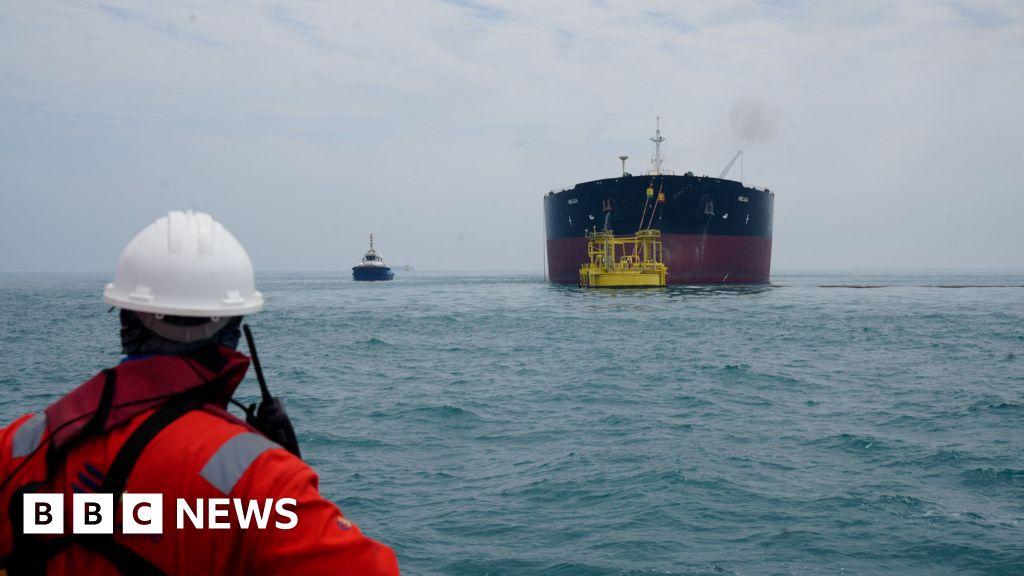
In parallel, the Wall Street Journal is cited saying that “Seizure of an Iranian tanker is equivalent to pulling the pin on a grenade,” framing U.S. action as a potential trigger for “an all-out oil war in the Persian Gulf.” The Mashregh-linked analysis also states that Iran’s options include “closing the Strait of Hormuz, the gateway to 25 percent of the world’s oil,” and says such moves could disrupt global oil markets and drive prices up.
NPT challenged, negotiations continue
At the United Nations Disarmament Conference in Geneva, Seyed Abbas Araghchi said the “US attack on Iran has called into question the essence of the NPT and regional security.” Araghchi also told the conference that “We discussed the IAEA's role in this regard in the talks we had today with the United States,” adding that Iran “will continue constructive negotiations with the IAEA until technical talks reach a conclusion.”
In the same reporting, Araghchi stressed that “Iran's right to use nuclear energy is non negotiable,” and said Iran has pursued “a strategy based on the peaceful use of nuclear energy.” He further argued that the “unilateral withdrawal of the United States from the JCPOA” was “an explicit violation of an internationally endorsed agreement,” and said it imposed “unjustified economic and humanitarian consequences on the people of Iran.”
Verification, funds, and stakes
As talks to end the war continue, IAEA director general Rafael Grossi said Iran’s nuclear pledge would need “very strong verification system” after the conflict in the Middle East ends. Grossi said, “intentions are not enough,” and added that “We have to have a very strong verification system in place… as soon as is practicable,” while noting the watchdog had so far “barely initiated” talks with Iran following the agreement with the United States.
Separately, Reuters is cited through another report saying the framework agreement includes an investment fund worth “$300 billion,” intended to spur investments with “more than half the amount already pledged by private companies.” That same Reuters-citing account says the memorandum of understanding will organize the process within “sixty days,” and links the fund to efforts to end the war that began in February after a U.S.-Israeli attack on Iran, including lifting the blockade and reopening the Strait of Hormuz.