Global Politics09 August, 20262 min read
Iranian Parliament Approves Bill To Ban American And Israeli Ships Through Strait Of Hormuz
This article is an automated aggregation of coverage from news outlets. Our editorials offer in-depth analysis curated by the NewsCord team.
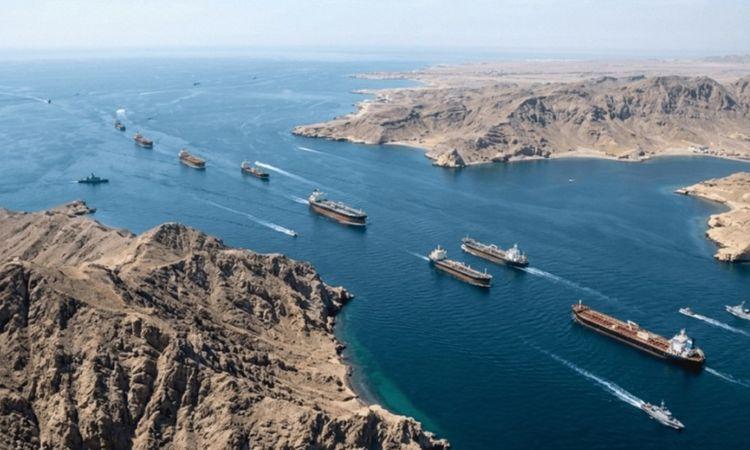
National Security Committee approves a bill banning passage of American and Israeli ships through Hormuz. Bill aims to secure the Strait and Persian Gulf, ensuring security and sustainable development.
Hormuz Bill Approved
Iran’s parliamentary National Security Committee approved a bill on strategic measures to ensure the security and sustainable development of the Strait of Hormuz and the Persian Gulf, according to Iranian state television as cited by Apa.az. The Economic Times reported that Iran said the Strait of Hormuz “won’t reopen until the United States ‘corrects its behavior,’” with the Supreme National Security Council publishing demands through its secretary, Mohammad Bagher Zolghadr.
The Economic Times said Iran’s statement demanded the United States must never threaten Iran again, must permanently end the war with Iran and its armed allies, and must “completely compensate” Iran for war damage. In the same Apa.az roundup, Iranian Foreign Minister Abbas Araghchi was cited saying Iran is “not currently holding talks with US,” while the Strait of Hormuz reopening was described as “very close” but conditional on US compensation, Iran says.
UAE Attack, Oman Talks
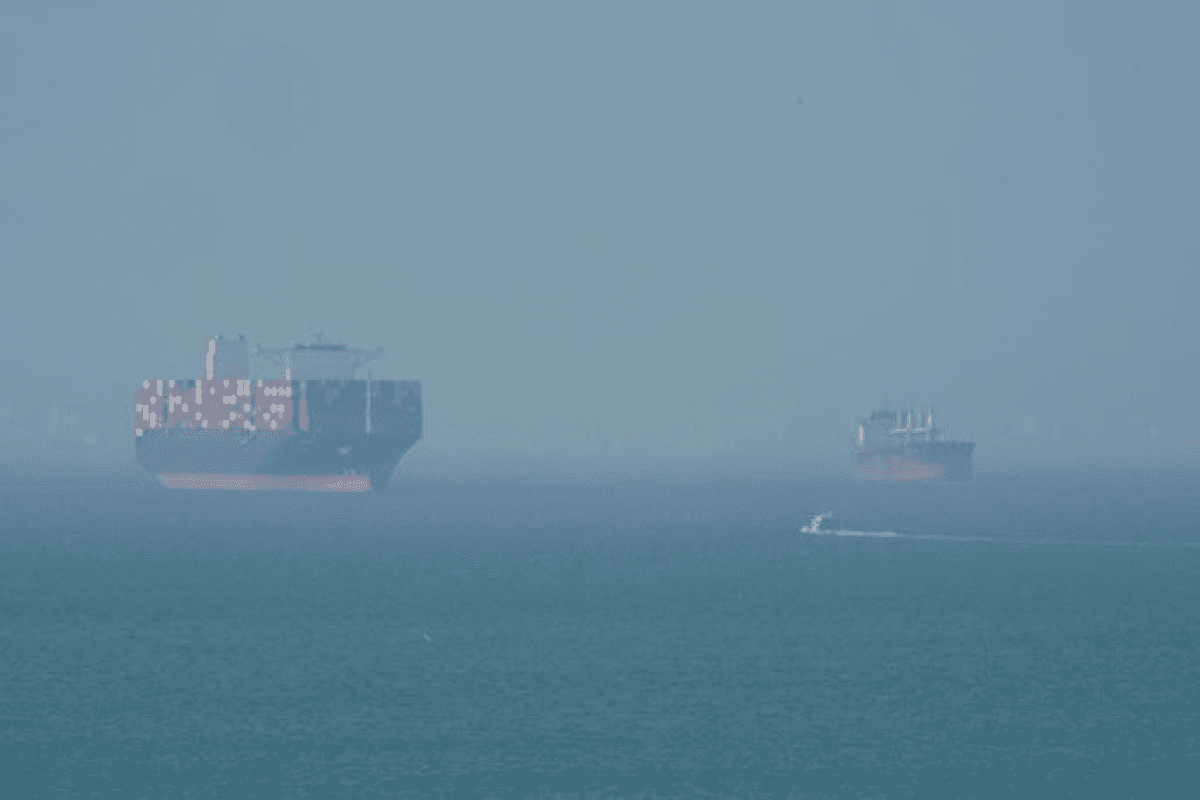
The UAE said a vessel owned by Abu Dhabi’s state-owned ADNOC oil and gas company was attacked while transiting the Strait of Hormuz, and the Foreign Ministry said Iran fired the missile as part of attacks on commercial shipping. ADNOC said there were no casualties following the early Saturday attack, while the Economic Times added that the company said over a dozen of its vessels have been attacked by missiles and drones while transiting the strait since the U.S. and Israel launched the war on Iran in February.
Oman, described by the Economic Times as a mediator Gulf Arab country, said discussions were ongoing “in a positive and constructive atmosphere,” and it condemned attacks on ships on the strait. The Economic Times also said Iranian Foreign Minister Abbas Araghchi earlier Saturday said they were close to reaching an agreement on navigation, “specifically the determination of a transit route,” but that reopening remained contingent on other conditions and blamed the situation on what he called the U.S. violation of the interim deal.

Compensation, Navigation Rules
Iran’s demands tied reopening to compensation and sanctions relief, with the Economic Times saying Iran’s statement required the U.S. to lift the naval blockade of Iranian ports, withdraw its military from the area, and “unconditionally” release frozen assets. The Economic Times said an interim deal signed in June included a schedule to end sanctions and plan on compensation as part of the final deal, and it said the end of a 60-day period to negotiate a final deal would end in just over a week but could be extended.
Apa.az also said the Strait of Hormuz deal was “very close” but reopening is conditional on US compensation, Iran says, while the Economic Times described Iran as close to reaching a separate deal with Oman to manage the strait. Separately, Apa.az reported that Russia plans to station further 30,000-50,000 North Koreans on its territory, and it cited an Azerbaijani MFA note congratulating Singapore on its Independence Day, placing the Hormuz developments within a broader diplomatic and security roundup.