Iran22 February, 20262 min read
Iranian Students Reignite Campus Protests After Authorities Killed Thousands in Crackdown
This article is an automated aggregation of coverage from news outlets. Our editorials offer in-depth analysis curated by the NewsCord team.
Students at multiple universities in Tehran and Mashhad staged anti-government protests Protests are the first large rallies since authorities killed thousands in a crackdown
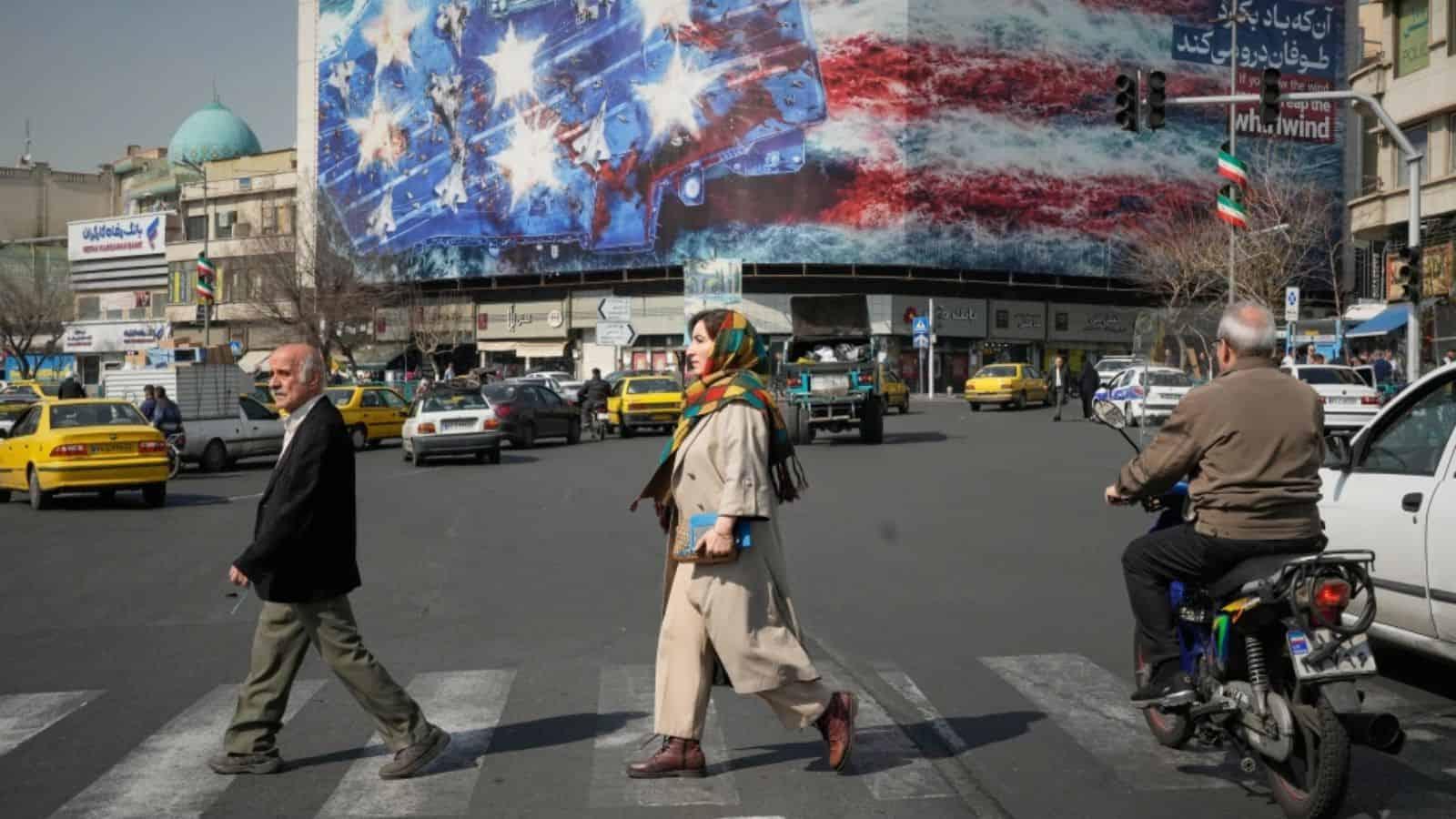
5 outlets told this the same way.
Outlets did split on Iran Reviews US Negotiation Proposals As Pakistan And Qatar Mediate Strait Of Hormuz Dispute →
Tehran university protests resume
Students in Tehran renewed anti-government demonstrations on and around university campuses, marking the first large protests since a brutal January crackdown that rights groups say killed thousands.
“Students in Tehran held anti-government demonstrations for a third consecutive day, with protests recorded at least four universities — Al‑Zahra, Tehran University, Sharif University of Technology and Amirkabir — on February 23.”
Radio Free Europe/Radio Liberty reports protests occurred at least at Al‑Zahra, Tehran University, Sharif University of Technology and Amirkabir.
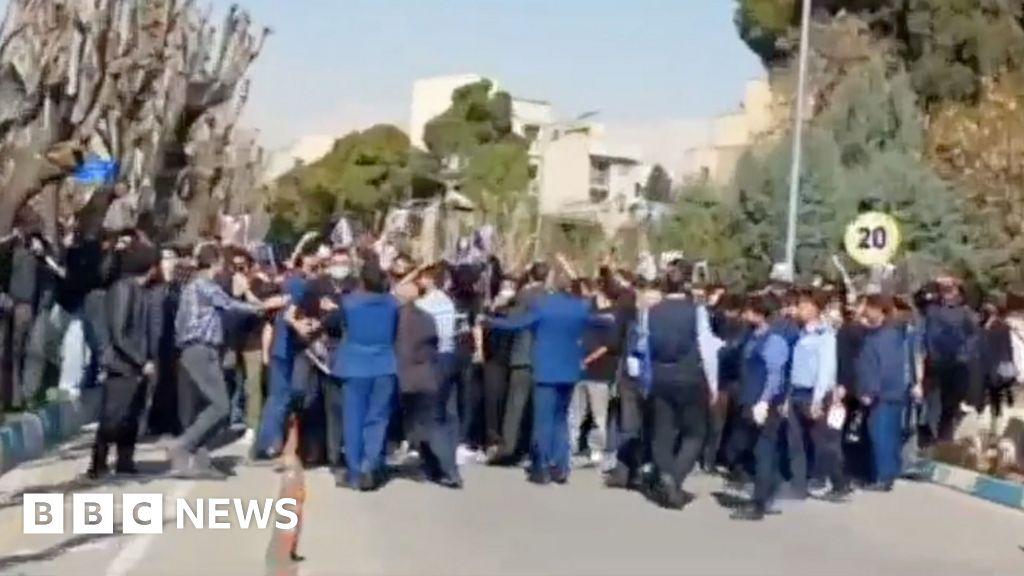
Verified videos showed chants directly targeting the regime, including “This is the year of blood. Sayed Ali will be toppled,” and the slogan “Women, life, freedom.”
Herald Sun notes students held rallies in Tehran commemorating those killed and links the unrest to wider economic protests and a rights crackdown, while the Siasat snippet provided by the publisher advertises its app for world updates.
Campus protests reporting
RFE/RL reports that renewed actions coincided with the semester start and nationwide commemorations for victims of the January crackdown. RFE/RL documents clashes between students and security forces outside Sharif University on February 21.
Herald Sun frames campus protests as part of a longer arc that began with economic grievances worsened by sanctions and that helped fuel mass protests over the cost of living, which it says evolved into wider anti-government demonstrations late last year. Siasat's provided text does not add reporting details.
Death toll reporting differences
There is a discrepancy in how the death toll from the January crackdown is portrayed. RFE/RL cites rights groups saying the crackdown 'killed at least 7,000 people,' using a specific, large figure.
“The renewed campus actions coincide with the start of the semester and nationwide commemorations for victims of a brutal January crackdown that rights groups say killed at least 7,000 people.”
Herald Sun reports more generally that 'rights groups say the ensuing crackdown killed thousands' without the 7,000 figure. The sources therefore differ in specificity, and Siasat's excerpt gives no casualty figures.
Protests and regional tensions
The protests occur amid heightened regional and international tensions. Herald Sun foregrounds concerns about Iran’s nuclear programme, reporting that Western governments fear it aims at developing a bomb and quoting Iranian official Abbas Araghchi saying Iran has 'every right to decide for ourselves.' It also recounts Israel’s bombing campaign, US strikes earlier in the year that helped trigger a 12‑day conflict, and a diplomatic stall that led some countries to urge citizens to leave Iran.
RFE/RL likewise links the demonstrations to broader tensions, noting that 'President Trump has warned Iran' and dispatched carrier strike groups amid threats over Iran’s disputed nuclear program. Siasat’s excerpt does not address geopolitics.
Media assessments of unrest
RFE/RL describes these campus actions as the first major mobilizations since the January crackdown. Herald Sun highlights public fear of renewed conflict and reports new opposition groupings, including Iraq‑based Kurdish‑Iranian groups announcing a coalition.
“Many Iranians fear a new war, and economic pain from sanctions helped fuel mass protests over the cost of living that evolved into wider anti-government demonstrations late last year; rights groups say the ensuing crackdown killed thousands.”
Both sources signal potential escalation but differ in emphasis: domestic student activism versus a mix of internal opposition and external-security drivers. Siasat’s excerpt lacks substantive content and neither corroborates nor contradicts these narratives.