Iran19 July, 20262 min read
Iran’s Ambassador Reza Amiri Moghadam Slams U.S. Peace Commitment Amid Trump’s MOU Breach
This article is an automated aggregation of coverage from news outlets. Our editorials offer in-depth analysis curated by the NewsCord team.
Iran's ambassador to Pakistan questions U.S. commitment to peace, calls diplomacy rhetoric. Trump breached the 14-point MoU, jeopardizing the Iran–U.S. peace framework.

Envoy attacks U.S. peace bid
Iran’s Ambassador to Pakistan, Reza Amiri Moghadam, on Sunday questioned the United States’ commitment to peace, saying Washington lacked the determination to make diplomatic agreements succeed and had reduced its peace rhetoric to “mere words.” In posts on X, Moghadam wrote that “The fact that the U.S. side did not even hold off for 60 days to violate the MOU obviously indicates that, basically and principally, the U.S. side lacked serious determination, will and intention for any deal to succeed,” and added that the United States “didn't care any for peace and stability.”
Moghadam also said President Donald Trump had “destroyed two important achievements in the history of contemporary diplomacy,” referring to the U.S. withdrawal from the 2015 Iran nuclear agreement and what he described as Washington’s handling of the Islamabad Memorandum of Understanding. The remarks came amid renewed tensions surrounding the implementation of the Pakistan-mediated MoU, and the U.S. side “has not publicly responded to the ambassador's latest comments.”
Pakistan pushes de-escalation
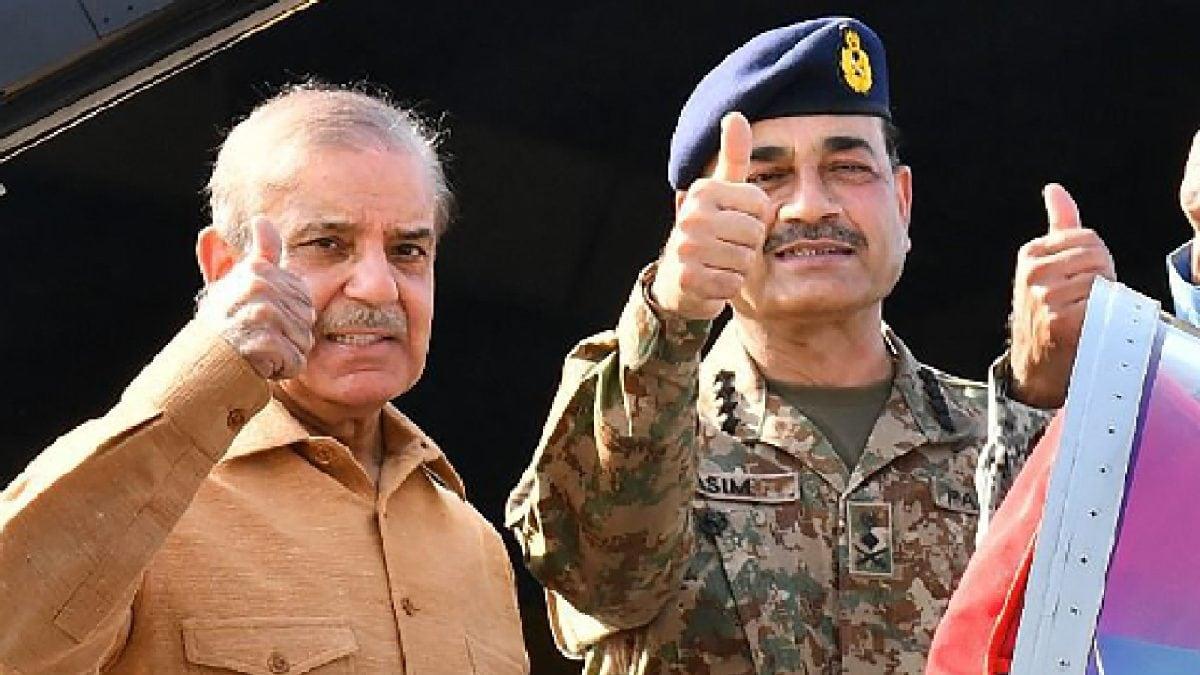
As U.S.-Iran tensions escalated, Pakistan launched an intensive diplomatic initiative aimed at preventing a wider regional conflict and safeguarding the recently agreed Islamabad Peace Deal MoU, according to a top security source. The high-level effort was led by Pakistan’s Field Marshal Asim Munir, who reportedly initiated hotline conversations and direct engagements with senior U.S. and Iranian officials, as well as top military commanders, to de-escalate “the rapidly evolving situation.”
The same report said Pakistan reached out to Saudi Arabia, Egypt, Turkey, and Qatar to coordinate diplomatic efforts aimed at preserving the Islamabad MoU and preventing fresh instability across West Asia, with Qatar working in close coordination as both countries continued “round-the-clock diplomatic engagements.” The next 24 to 72 hours were described as critical, with indications that backchannel communication and possible U.S.-Iran talks could influence whether the crisis moves toward a full-scale conflict or a temporary pause.
Ceasefire dispute and sanctions
Iran’s Foreign Minister Abbas Araqchi wrote on X that “Iran has fulfilled its word so far… the only way is for both sides to commit to their mutual commitments,” responding to statements by U.S. President Donald Trump about the ceasefire memorandum.
The clashes described in the report followed exchanges of strikes since Tuesday, the fiercest since the memorandum was signed on June 17, which aims to put a definitive end to the war that began on February 28 following an Israeli-U.S. attack on the Islamic Republic.
Trump reiterated on Friday that the ceasefire with Iran has ended and said the United States told Tehran “in unequivocal terms, that the ceasefire is over,” while Iran denied the claim and said Tehran did not seek talks with the United States but agreed to host a Qatari mediator.
Separately, the report said the United States reimposed economic sanctions on Iranian oil after they had been suspended under the memorandum of understanding, and Araqchi described that as a “violation” of the ceasefire, writing that the U.S. Treasury Secretary “is violating the United States’ commitments by contravening Article 9 of the memorandum of understanding.”