Iran19 July, 20263 min read
Simon Tisdall Says Trump’s Iran Policy Risks Long Open War Over Strait Of Hormuz
This article is an automated aggregation of coverage from news outlets. Our editorials offer in-depth analysis curated by the NewsCord team.
Guardian's Tisdall criticizes Trump's Iran policy as dangerous and lacking coherent strategy. Policy risks prolonged Gulf conflict, with escalation warnings echoed across sources.

Escalation Without Strategy
Simon Tisdall, the foreign affairs columnist for The Guardian, criticized U.S. President Donald Trump’s policy toward Iran, arguing that the greatest danger in the crisis lies in the absence of a clear strategy to manage the confrontation.
“‘Trump’s self-love is the world’s first enemy. It is the main reason this war is spiraling out of control again.’”
Tisdall described Trump’s character as the most influential factor in the escalation of the crisis, saying: ‘Trump’s self-love is the world’s first enemy. It is the main reason this war is spiraling out of control again.’

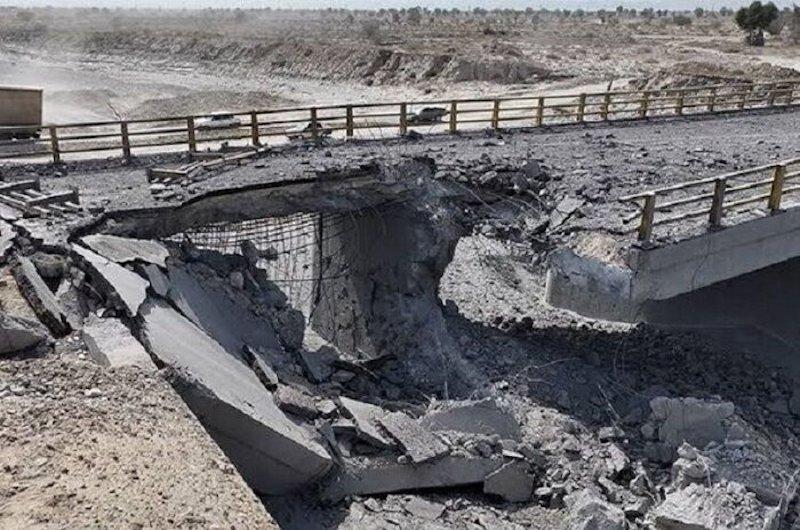
He warned that continued escalation could lead to a long open war with wide global repercussions, after the United States returned to bombing Iran, including civilian facilities and infrastructure, without achieving decisive objectives.
Tisdall argued that the most realistic American objective at this stage has become controlling the Strait of Hormuz or reopening it to international navigation, after it had become a strategic pressure point in the conflict.
He concluded with a central question, asking: ‘Who can stop Trump?’ while saying the American administration does not heed Congress and allies are unable to exert effective pressure due to fears of confronting Trump.
Vice President’s View
Dr. Osman Gazi Kandemir, translated and edited by TurkPress, said U.S. Vice President J. D. Vance appeared as a guest on Joe Rogan's podcast on July 15, with the interview lasting about three hours.
Kandemir wrote that Vance said Trump would not allow Iran to possess a nuclear weapon under any circumstances, and that the decision to go to war was made in Washington rather than in Tel Aviv.
The account also said Vance treated Israel’s influence as normal, saying that every country tries to influence Washington to serve its interests, and that the problem was the surrender of American politicians to these pressures.
Kandemir reported that Vance described the military operation as a tool to strengthen one’s position at the bargaining table, arguing that you can bomb a nuclear facility but cannot prevent its rebuilding five years down the line.
On the Strait of Hormuz, Kandemir said Vance argued it was reopened after the ceasefire, but that Tehran’s balance of power then shifted as hardliners regained their weight, making the diplomatic path more complex than expected.
Gulf Fear and Costs
The El País analysis said the US president is very good at intimidating with bombings, but is not able to reach his objective: the defeat of Iran, and argued that Trump does not know how to make peace or war. It said Trump participated in three wars against Iran, including a twelve-day war in June 2025 initiated by Israel to destroy Iran's nuclear program, and a second war started last February 28 that ended almost four months later with another fragile ceasefire and a 60-day truce. El País argued that the third war is an escalation with exchange of missiles and bombings, with no resolution or negotiation in sight unless one of the two contenders agrees to appear defeated.
“The score is now very clear: the winner will be the one who stays with Hormuz.”
It said the Strait of Hormuz is the winner’s test, writing that “The score is now very clear: the winner will be the one who stays with Hormuz.” The same piece warned that this third war is driving oil prices up again and weighing on the November midterm elections, negatively for the Republican candidates, while reinforcing uncertainty about the region’s prosperity model.