Finance12 September, 20263 min read
Iran’s Dollar Price Falls to 230,000 Tomans After Iran–Oman Meeting Signals
This article is an automated aggregation of coverage from news outlets. Our editorials offer in-depth analysis curated by the NewsCord team.
Dollar price fell to 230,000 tomans, down 5,000 from yesterday. Iran–Oman meeting signals spurred selling pressure, easing regional tensions and lowering rate.
7 outlets told this the same way.
Dollar dips, gold follows
Iran’s dollar price in today’s trading fell by 5,000 tomans from yesterday, reaching 230,000 tomans, as news tied to the Iran–Oman meeting and speculation about easing regional tensions increased selling pressure in the currency market. The same report said yesterday the dollar traded around 235,000 tomans, and that with the release of positive political news and nearing the Iran–Oman meeting it began moving downward. In parallel, the euro declined alongside the dollar, with the euro price today dropping by 4,000 tomans from yesterday to 269,000 tomans.
“The dollar price in today’s trading fell by 5,000 tomans from yesterday, reaching 230,000 tomans.”
In the domestic gold and coin market, the head of the Tehran Gold and Jewelry Union said a 7,000-tomans drop in the dollar rate lowered prices of gold and coins, and he linked the move to a decline in global gold spot prices. Jamaran reported that global markets saw a relative decline in gold spot prices, with the global spot price of gold falling by about $82 and reaching $4,348 per ounce.

Free vs official market
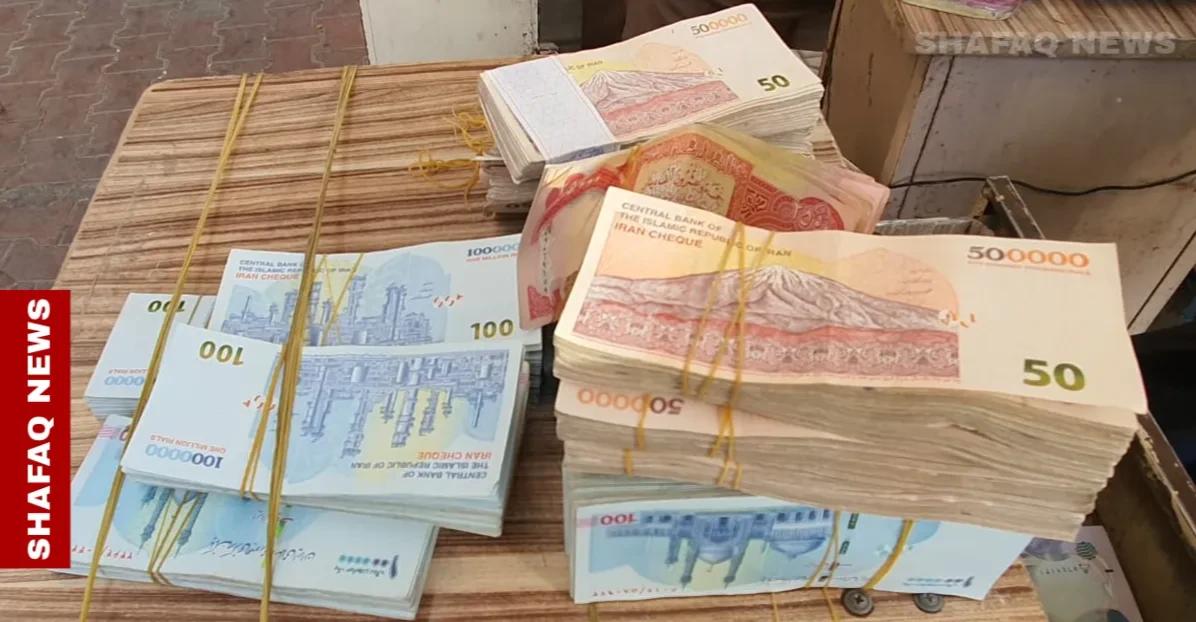
In Iran’s Center for Exchange and Gold, اعتمادآنلاین said the U.S. dollar remittance in the Exchange Hall increased by nearly 500 tomans to around 163,000 tomans, with the selling rate reaching 163,413 tomans and the buying rate rising to 161,942 tomans. That same piece projected that if market conditions in tomorrow’s trades do not change significantly, the dollar remittance could oscillate in the range of 163,000 to 164,000 tomans. By contrast, Shafaq News said the price of the US dollar in the Iranian free market exceeded 236,000 tomans on Saturday, citing a local Iranian site Trade News.
Shafaq News also reported that major currencies rose over the past week, with the euro up about 5.6% to around 274,000 760 tomans and the British pound gaining about 5.8% to surpass 319,000 tomans. In the same free-market context, Shafaq News tied the dollar’s rise to American pressures on the Iranian economy and said the Iranian government raised the price of gasoline under the third tier from 5,000 to 10,000 tomans.

Inflation fears and policy
KhabarOnline said that from August 22 to September 9 the price of one US dollar rose from 192,000 toman to more than 232,000 toman, describing it as a 19-day period in which “more than 30 percent” of the national currency’s value was lost. The outlet quoted Tarbiat Modares University professor Morteza Ezzati saying, “In a wartime situation, the best thing we should do is to curb fluctuations in various sectors, especially shocks like currency rate volatility.” KhabarOnline also reported Ezzati’s view that the responsibility for controlling fluctuations lies with the Central Bank and the government’s economic apparatus, adding that “The entire government economic team, alongside the Central Bank” is responsible for preventing fluctuations.
“In a wartime situation, the best thing we should do is to curb fluctuations in various sectors, especially shocks like currency rate volatility.”
Ezzati argued that the rise in the exchange rate is an intermediary goal of the United States’ economic pressure, and he said, “we must frankly say that it is America’s demand for the dollar to become expensive.” The same report said Ezzati criticized the idea of letting the currency market run, warning that “Letting the currency market run and seeing what happens is certainly wrong,” because the currency market is not separate from macroeconomic developments.