Iran09 October, 20262 min read
Iran’s Foreign Ministry Spokesperson Esmaeil Baghaei Slams Macron’s Nuclear Double Standard
This article is an automated aggregation of coverage from news outlets. Our editorials offer in-depth analysis curated by the NewsCord team.
Baghaei accuses France of nuclear double standards, defending its deterrence while denying Iran's. Iran says France seeks monopoly on power and intimidation, not peace for all.
6 outlets told this the same way.
Outlets did split on Iran Reviews US Negotiation Proposals As Pakistan And Qatar Mediate Strait Of Hormuz Dispute →
Tehran Times was read line by line by the Watchdog: 1.9. See the score →
Iran attacks France’s deterrence
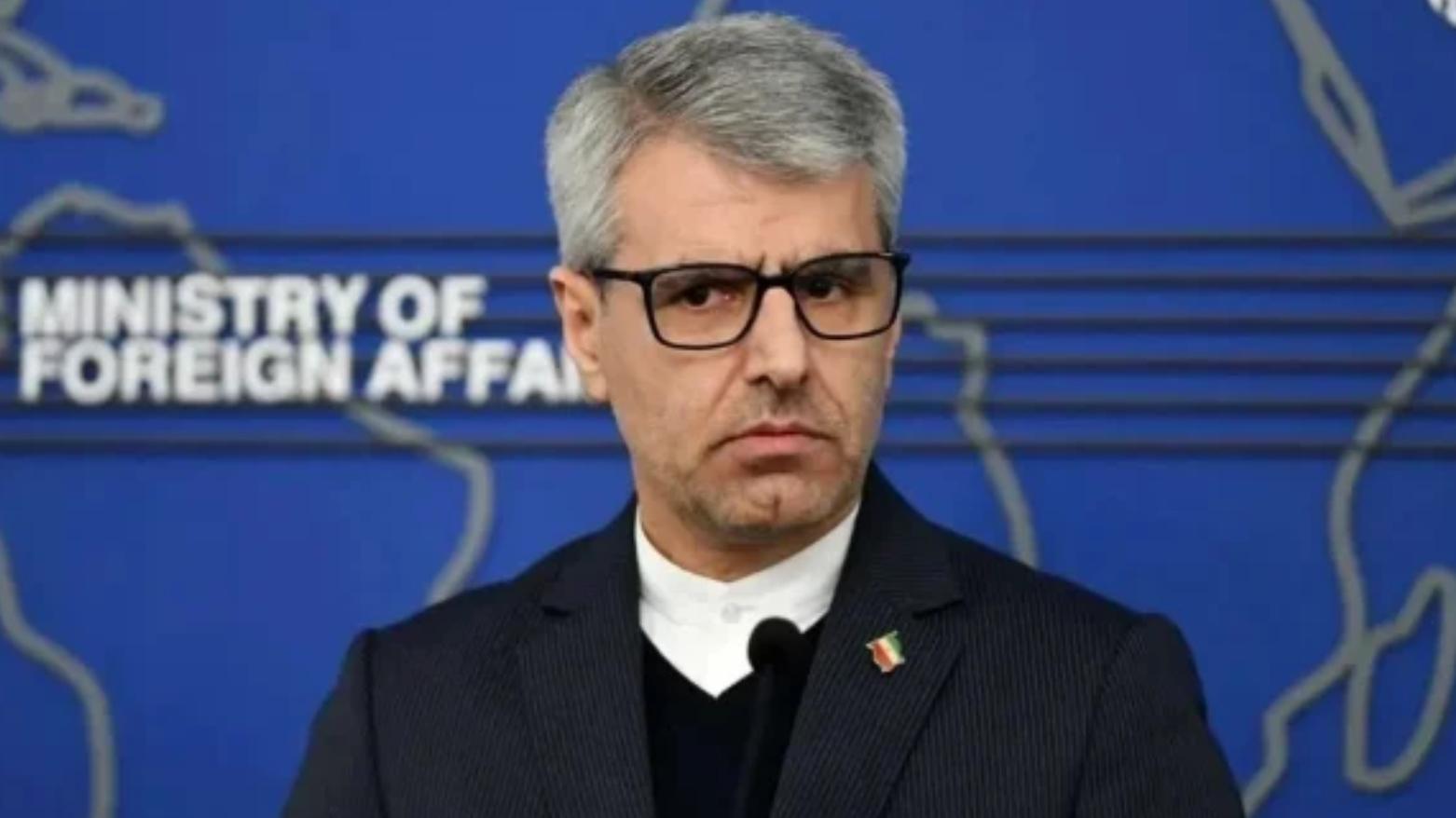
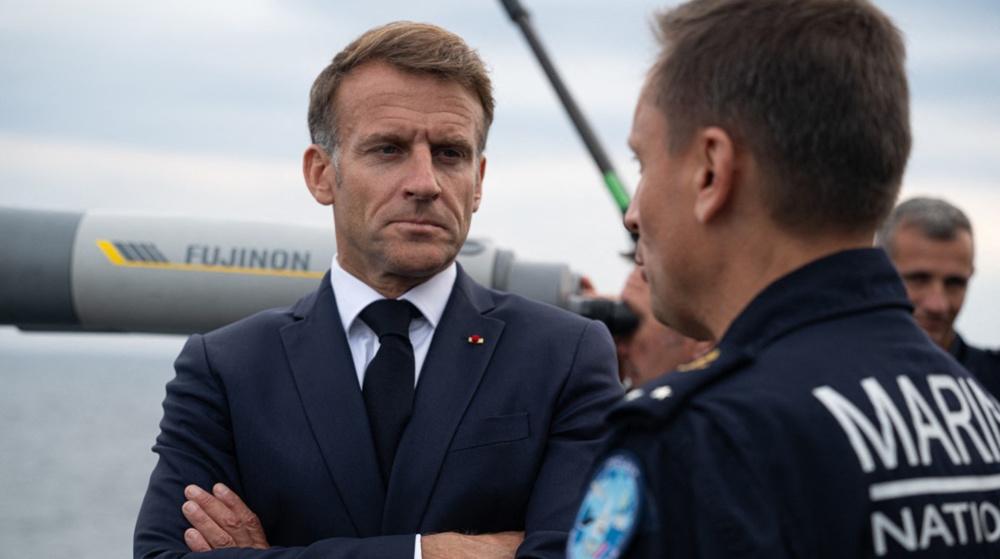
Iran’s Foreign Ministry spokesperson Esmaeil Baghaei attacked France’s nuclear deterrence policy, saying Macron’s logic during a ballistic missile test amounted to a double standard when applied to Iran.
“‘Yet, he himself asserts, regarding Iran, which has never sought to acquire nuclear weapons: ‘Iran must never possess nuclear weapons.”
Baghaei wrote that Macron said, “To be free, therefore, one must be feared, and to be feared, one must be powerful,” while Macron also insisted, “Iran must never possess nuclear weapons. Neither today, nor in five years, nor in ten years. Never.”

Baghaei argued that the “real question” was not why France has a nuclear deterrent force, but why a rationale that “guarantees France’s security and freedom” becomes a “threat” when discussed for Iran.
Baghaei said France and other nuclear-armed powers “do not want peace for all,” and he described their approach as preserving “the monopoly of power that inspires fear” and “the monopoly of legitimacy to intimidate.”
Baghaei cites monopoly on power
Baghaei said the dispute was not about France’s deterrent itself, but about how the same logic is treated as a threat when applied to Iran’s “civil, peaceful nuclear program subject to international monitoring.” Baghaei framed the issue as an attempt to preserve “their exclusive hold on strategic power and the authority to determine which countries may legitimately exercise it,” while presenting their own arsenals as instruments of security and freedom.
Baghaei also accused France of seeking to “monopolize deterrence,” arguing that Paris portrays a capability presented as necessary for French security as threatening when the discussion turns to Iran. Baghaei warned that “A peace in which nuclear powers regard their own weapons as the guarantors of their freedom and security, but label the same logic a threat when invoked by others, is not true peace,” and he said the alternative is “a monopoly on power based on a sense of superiority.”
Nuclear dispute amid wider tensions
Baghaei’s nuclear criticism appeared alongside a broader security backdrop described in the same reporting, as Iran’s Islamic Revolutionary Guard Corps announced it had targeted a large liquefied petroleum gas tanker south of the Strait of Hormuz. The IRGC identified the vessel as the NV Sunshine, belonging to the company Natwit, and said it had been struck after traveling through what Tehran described as an unauthorized route.
“‘The harsh reality is this: they do not want peace for all.”
The IRGC said the attack caused a major fire in the vessel's engine and propulsion section, and it insisted the operation was part of efforts to impose what it described as full control over the Strait of Hormuz. Baghaei’s remarks also referenced Iran’s position that its nuclear program is peaceful and subject to international oversight, while he argued that an international order must treat “security and peace as rights belonging to all countries rather than privileges reserved for a smaller group of powerful states.”