Gaza Genocide10 August, 20263 min read
Iran’s IRGC Says Missiles Can Change Course Mid-Flight To Evade US, Israeli Air Defenses
This article is an automated aggregation of coverage from news outlets. Our editorials offer in-depth analysis curated by the NewsCord team.
IRGC claims missiles can change course mid-flight to evade air defences and re-target Missiles are precision-guided and more advanced than past single-point launches
Iran claims mid-flight retargeting
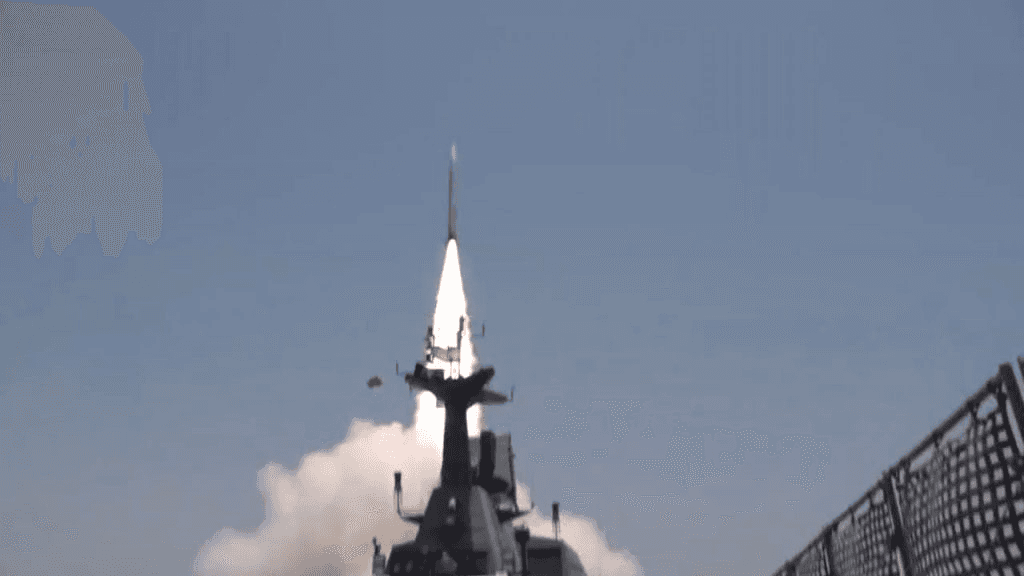
Iran’s Islamic Revolutionary Guard Corps said some Iranian missiles can change course during flight to evade air defenses, with IRGC spokesman Hossein Mohabi describing the capability at an event in Qazvin. Defence Security Asia reported that Mohabi claimed Iran’s ballistic missiles can alter course mid-flight, evade layered air defences, and redirect toward secondary targets, potentially transforming the interception challenge for United States, Israeli, and Gulf forces. Türkiye Today and Anadolu Ajansı both quoted Mohabi saying, "Iranian missiles are no longer like they were in the past, merely launched from one point to land at another," as the IRGC framed the change as guidance and course-changing capabilities.
The same sources said the claimed capability was used during Iran’s recent conflict with the United States to target parts of what Mohabi called the “enemy’s power network,” while Defence Security Asia added that Iran released no public telemetry or independently verifiable combat evidence. Defence Security Asia also tied the claimed breakthrough to a broader “technological warfare” approach, arguing that terminal manoeuvring could improve accuracy and complicate interceptor evasion for Patriot PAC-3, THAAD, and Arrow defenses.
Appointments and competing claims
Türkiye Today reported that Iran’s supreme leader appointed Ahmad Vahidi as commander-in-chief of the Islamic Revolutionary Guard Corps and Ali Abdollahi as chief of staff of the armed forces, with the appointments announced by IRIB and IRNA after the deaths of their predecessors.
The same article said Vahidi replaced Gen. Mohammad Pakpour, who was killed, and it described Vahidi as a former defense minister from 2009 to 2013 and interior minister from 2021 to 2024, while Anadolu Ajansı said the missile guidance claim was made at an event in Qazvin.
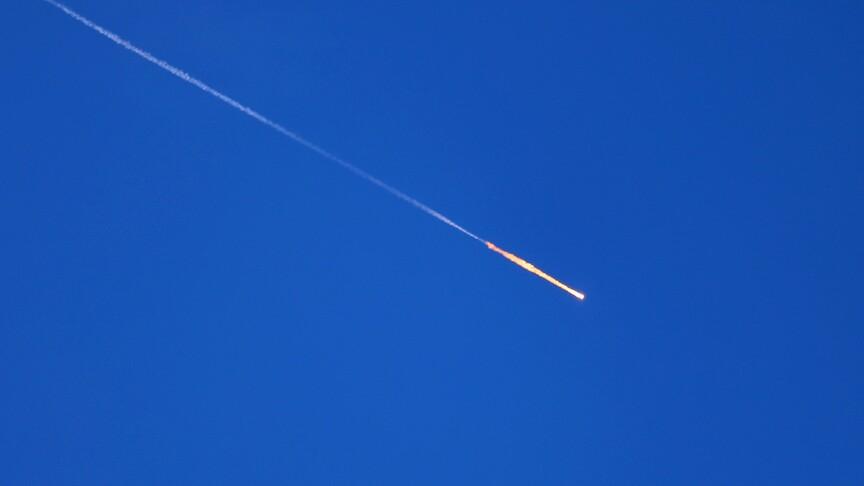
Anadolu Ajansı quoted Mohabi saying, "They now possess guidance and course-changing capabilities, and some can alter their trajectory during flight to bypass the enemy's air defense systems," linking the capability to Iran’s stated goal of targeting decision-making and defense networks.
Defence Security Asia, however, said the announcement combined “plausible” guidance improvements with an “unverified assertion,” noting that Iran had released no public telemetry, flight-test documentation, or independently verifiable combat evidence for reliable redirection to entirely different targets.
In the broader conflict context, Türkiye Today said Iran has been engaged in military conflict with the United States since Washington and Israel launched a joint offensive against Tehran in February, and it said a ceasefire was reached in April before a memorandum of understanding in June collapsed last month.
Gaza roadmap and regional stakes
While Iran’s IRGC spokespeople emphasized missile course changes and “technological warfare,” i24NEWS reported that Israeli Prime Minister Netanyahu rejected the 15-point Gaza peace roadmap proposed by US President Trump’s Board of Peace. i24NEWS said Netanyahu told his cabinet that Israeli forces will not carry out any withdrawal from the Gaza Strip until Hamas undergoes complete and genuine disarmament of all heavy and light weaponry, and it framed the dispute as part of a wider regional diplomatic and security contest. In the same i24NEWS live blog, Trump demanded compensation for victims and families killed by the Islamic regime, stating that compensation should be paid to families of protesters killed “over the last 50 years, not to mention the 52,000 that have been killed in the last 5 months.”
Defence Security Asia argued that if Iran’s claimed capability were independently verified, it could complicate defensive planning around American bases, Israeli military facilities, Gulf energy infrastructure, and maritime routes adjoining the Strait of Hormuz. Al-Manar TV Lebanon also warned that “the threats related to the Strait of Hormuz” are not merely regional, saying disrupting the Strait of Hormuz could impact global financial markets, energy production, and output, tying the missile claims to wider economic and energy stakes.