Gaza Genocide · 09 August, 2026 · 3 min read
Israel Dismantles Gaza Supply Chain, Crippling Transport Network and Leaving Aid Unreached
Israel's siege cripples Gaza transport and supply chain by destroying trucks/warehouses and blocking parts. Movement of goods and aid is restricted at crossings, preventing delivery of food and medicine.
Whether sources cite an ICC/ICJ legal framing as part of the warning.
6 of 8 outlets skipped it: cost of a single truck’s oil change rose to ~100,000 shekels.
Anadolu Ajansı was read line by line by the Watchdog: 0.0. See the score →
10outlets compared
Same story, two versions
tap a side to read it in full
The Peninsula Qatar
“weaponizing food and relief items, as well as means of transportation, amounts to war crimes under the Rome Statute”Read the original ↗
TRT World
“Euro-Med also said several newly imported trucks have been rendered unusable”Read the original ↗
One outlet foregrounds legal-war-crime framing; another sticks mainly to operational impacts.
Aid blocked by transport collapse
Israel’s destruction of Gaza’s transport and storage system has left the transport and logistics network in the Gaza Strip in “complete paralysis,” with Israel also targeting drivers and preventing the entry of spare parts. The Euro-Mediterranean Human Rights Monitor said Israel is pursuing an “integrated policy to dismantle the supply chain from the moment goods and aid enter through the crossings until they reach the population.” Euro-Med Monitor quoted Nahed Shuhiber, head of the Private Transport Association in the Gaza Strip, saying that before the start of the Israeli war the sector owned a fleet of about 1,200 trucks, but only about 400 survived bombing and destruction, leaving currently operable trucks at around 300, or 25% of the previous fleet.
The monitor said Israel’s ban on entering materials needed for maintenance puts the remaining fleet at risk of stopping, forcing workers to dismantle damaged trucks and reuse their parts to keep other trucks running. It added that Israeli attacks or disruptions destroyed or damaged more than 150 trucks during their missions, especially on roads leading to and around the Kerem Shalom crossing.

Drivers targeted; deaths and arrests
Euro-Med Monitor said the attacks killed more than 20 drivers, including 4 since the ceasefire in October 2025, and that Israeli forces arrested 15 others, some of whom have been detained for nearly two years. The monitor also said that several drivers who were attacked or arrested were working within convoys coordinated and pre-notified to Israeli authorities through UN and international agencies, including the World Food Programme and the Office for the Coordination of Humanitarian Affairs (OCHA). In a statement carried by Anadolu Ajansı, Euro-Med Monitor warned that even when trucks are permitted to cross into Gaza, it is not guaranteed that their cargo will reach those in need due to destruction or impairment of transportation, storage, and distribution infrastructure.
Anadolu Ajansı cited Justin Brady, head of the UN Office for the Coordination of Humanitarian Affairs in Palestine, saying the Gaza Strip is facing a food emergency that could escalate to Phase 5 of the Integrated Food Security Phase Classification if aid flow diminishes. Euro-Med Monitor also emphasized that Israel’s obligations under international humanitarian law stand, regardless of coordination, including “avoiding attacks on civilians and civilian structures” and “enabling the swift, unobstructed delivery of humanitarian aid.”

Famine risk and what’s at stake
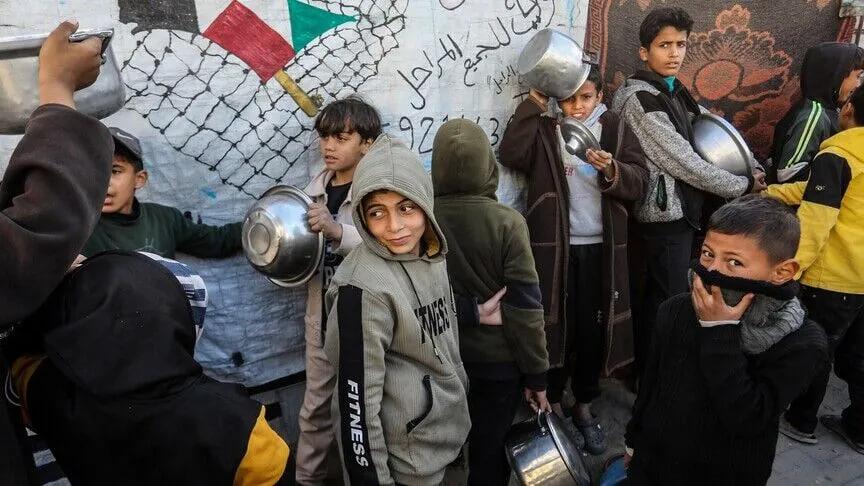
Euro-Med Monitor warned that the blockade and restrictions are pushing Gaza toward famine by cutting off the practical ability to move, store, and distribute food and medicine, even when aid enters through crossings. The monitor said Gaza’s transport fleet has shrunk to about 300 operational trucks, and that the total Israeli ban on importing essential maintenance materials has threatened the operation of the remaining trucks. Field data cited by Euro-Med Monitor said the destruction of approximately 150 transport company offices and warehouses, combined with the lack of safe warehouses and cold storage, has dismantled logistics infrastructure and led to delays of 24 to 72 hours in shipping, with frozen foods and medicines spoiling before reaching those in need.
The Euro-Med Monitor report also said Israeli forces repeatedly stop truck drivers at military checkpoints and within the Kerem Shalom crossing, force them to strip completely, and assault and humiliate them. In the same reporting, Justin Brady warned that Gaza faces a food emergency that could escalate to IPC Phase 5 if humanitarian assistance declines, while Anadolu Ajansı reported that approximately 212,000 people, nearly 10% of Gaza’s population, will remain in a Phase 4 food emergency if aid flow diminishes.