Ukraine War15 March, 20263 min read
Iran's National Security and Foreign Policy Committee head Azizi says Ukraine is a legitimate target.
This article is an automated aggregation of coverage from news outlets. Our editorials offer in-depth analysis curated by the NewsCord team.
Iranian lawmaker Azizi says Ukraine became legitimate target for Iran over drone support to Israel. He asserts Ukraine has joined the war between the U.S.-Israel and Iran.
Iran's Legal Threat
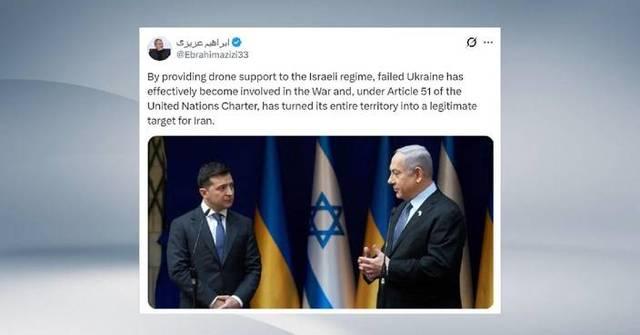
Ebrahim Azizi, head of Iran's parliamentary National Security and Foreign Policy Committee, declared Ukraine a 'legitimate target' for providing drone support to Israel. Azizi made the statement on social media platform X on Saturday, escalating tensions in the already volatile Middle East conflict. He claimed that Ukraine's involvement with Israel has effectively made its entire territory subject to Iranian strikes under Article 51 of the UN Charter.
“By providing drone support to the Israeli regime, failed Ukraine has effectively become involved in the War and, under Article 51 of the United Nations Charter, has turned its entire territory into a legitimate target for Iran.”
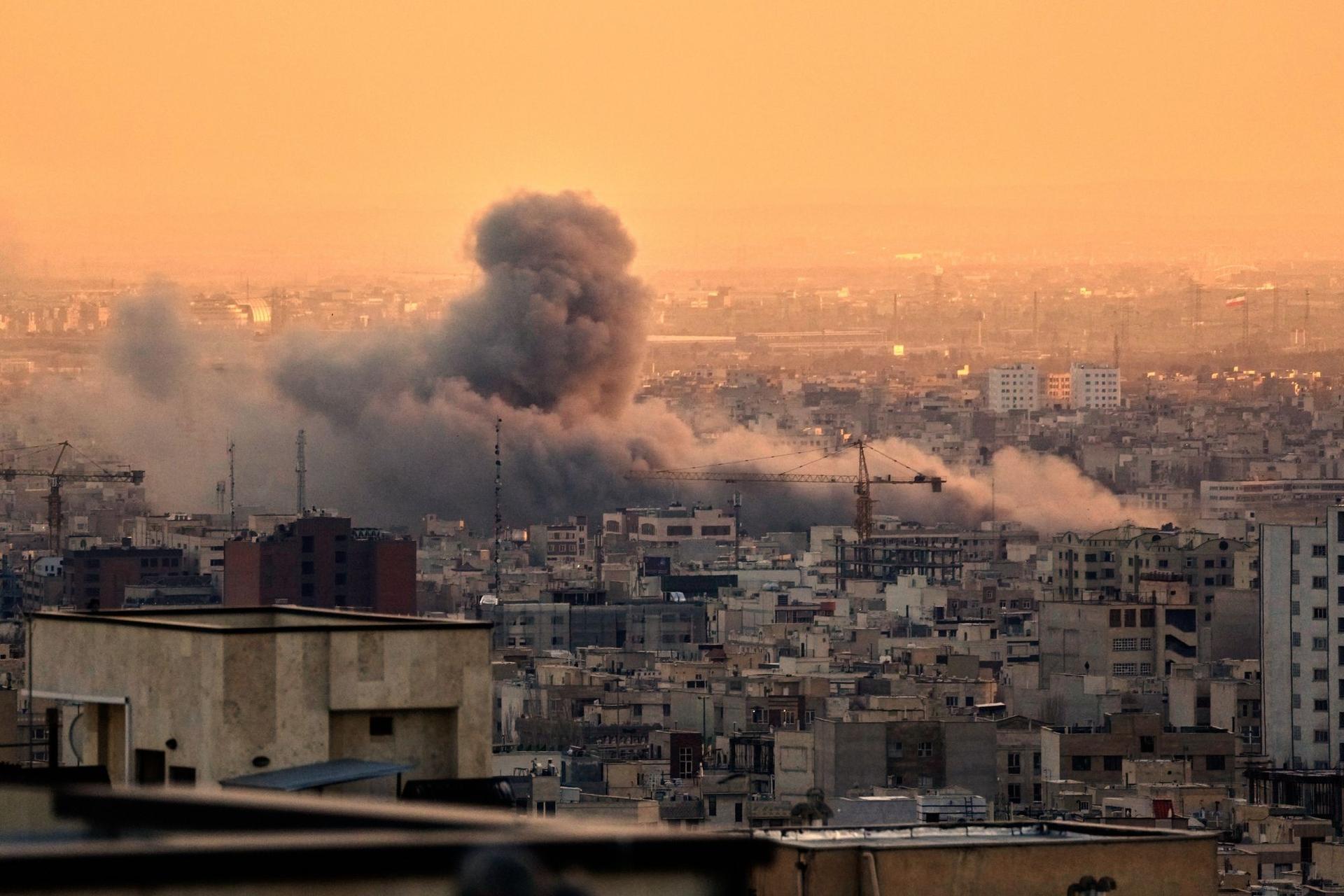
Article 51 recognizes the right to self-defense, which Azizi cited as his legal justification for targeting Ukraine. This declaration comes amid intensified conflict following the U.S.-Israel coordinated strikes in late February that killed Iran's Supreme Leader Ayatollah Ali Khamenei. Since then, Iran, Israel, and their respective allies have been engaging in sustained military operations across the region.

The Iranian lawmaker specifically accused Ukraine of 'providing drone support to the Israeli regime,' though he provided no specific details about this assistance. He framed the situation as Ukraine having 'effectively become involved in the War.'
Ukraine's Rejection
Ukraine's government swiftly rejected the Iranian threat as 'absurd,' with Foreign Ministry spokesperson Heorhii Tykhyi delivering a scathing response. Tykhyi directly challenged Iran's moral authority to invoke international law in his statement. He pointed out the hypocrisy of Iran's position, noting that 'the Iranian regime has been supporting the murder of Ukrainians for years'.
This reference was to Iran's direct supply of drones and technology to Russia during its ongoing invasion of Ukraine. Tykhyi used a powerful analogy to dismiss Iran's justification, stating 'it's like hearing a serial killer justify his crimes by citing the criminal code.' This highlighted the perceived double standard in Iran's argumentation about self-defense.
Ukrainian President Volodymyr Zelensky has consistently maintained clear conditions for any foreign assistance. Zelensky stated that Ukraine will only provide help to countries that 'protect the lives of Ukrainians and the independence of Ukraine.'
Drone Support Context
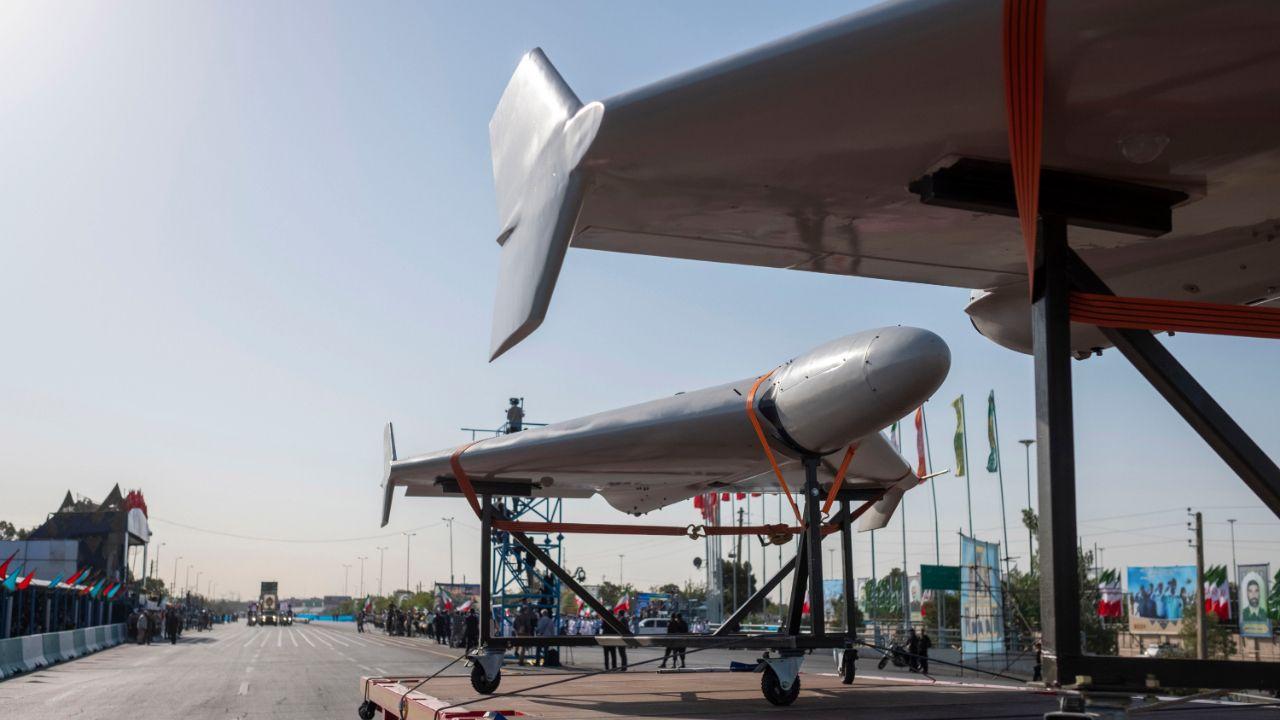
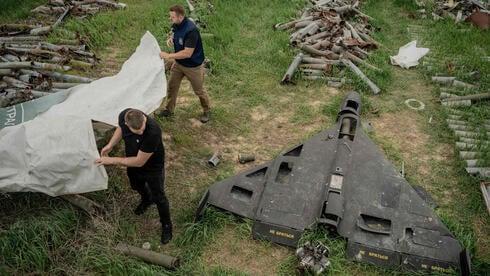
The controversy centers on Ukraine's drone support activities, which President Zelensky revealed involve assistance to 'nearly a dozen countries'. These countries are seeking expertise in countering Iranian Shahed-type drones amid the expanding regional conflict. Zelensky confirmed that Ukraine has dispatched military personnel and drone specialists to the Gulf region.
“Ukrainian President Volodymyr Zelensky has said nearly a dozen countries have requested Kyiv's help to counter Shahed-type drones amid the Iran war and Iran's strikes at neighboring countries.”
This assistance includes providing interceptor drones and expertise to protect U.S. military bases in Jordan. This deployment occurs despite Ukraine's ongoing war with Russia, where Ukrainian forces have extensive drone experience. Ukrainian forces have accumulated experience fighting Iranian-made Shahed drones since the start of the full-scale invasion in 2022.
The U.S.-based Institute for the Study of War (ISW) has noted Ukraine's expertise in detecting and defeating loitering munitions. The ISW stated that Ukrainian know-how is directly relevant to U.S. and allied defenses in the Middle East.
Iran's Military Response
Iran has escalated its military operations in the region with advanced weaponry deployments. The Islamic Revolutionary Guard Corps (IRGC) announced the debut of the Sejjil missile during the current conflict. This occurred in what the IRGC called the '54th wave of Operation True Promise 4.'
During this operation, Iran utilized multiple types of ballistic missiles including Kheibar Shekan, Ghadr, and Emad missiles. The IRGC also deployed the Khorramshahr missile system in the attacks. Iran claimed these attacks precisely targeted multiple strategic sites in Israel.
The targets included air operations management centers, military industry infrastructure, and concentrations of Israeli troops. The missile barrage represents Iran's continued response to earlier U.S.-Israel strikes that killed their Supreme Leader.
Regional Conflict Expansion
The conflict has expanded significantly beyond Iran's borders in multiple directions. Iran has been hitting Gulf states while Israel has been striking Lebanon. The United Nations reports over 3.2 million people have been displaced inside Iran alone.
“The war has expanded beyond Iran, with Iran hitting Gulf states and Israel striking Lebanon.”
The Iranian regime has effectively blocked the Strait of Hormuz, a critical global energy route. This blockade creates major international concerns about oil and gas supply stability. CNN estimates at least 3,000 people have been killed across the region since the war began.
Casualties continue to mount as the conflict intensifies in multiple theaters. Ukraine's involvement through drone support adds complexity to the already multifaceted regional conflict. This raises concerns about further internationalization of the confrontation.