Iran21 September, 20263 min read
Iran’s Oil Sales Surpass $3.0 Billion Despite U.S. Naval Blockade
This article is an automated aggregation of coverage from news outlets. Our editorials offer in-depth analysis curated by the NewsCord team.
Iran's oil sales exceeded $3 billion in the last month, a two-year high. China remains Iran's largest oil customer, supporting revenue despite the blockade.

8 outlets told this the same way.
Outlets did split on Iran Reviews US Negotiation Proposals As Pakistan And Qatar Mediate Strait Of Hormuz Dispute →
Oil sales rise, blockade persists
Iran’s oil sales surpassed $3.0 billion in the last month and reached the highest monthly level in two years despite the naval blockade imposed by the United States to prevent Iranian exports, according to Iran’s Plan and Budget Organization.
Iran’s Plan and Budget Organization data published by the Hamshahri daily said, "Iranian oil sales reached a new record between August and September and surpassed $3.0 billion," while the report tied the result to crude oil prices averaging above $100 per barrel so far in September.
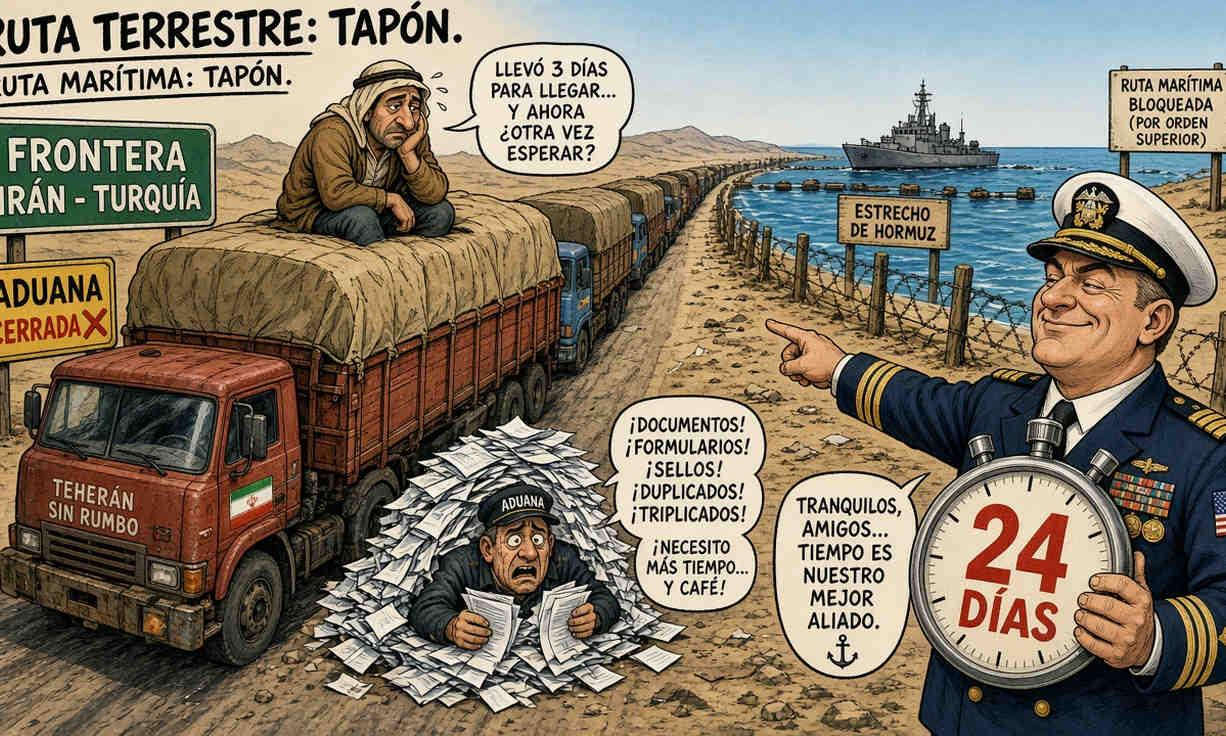
The U.S. Central Command (CENTCOM) reported that its forces redirected 100 commercial vessels in the 60 days since the resumption of the naval blockade against Iran on July 14.
CENTCOM also said that during the first blockade, between April 13 and June 18, American forces diverted more than 140 vessels, disabled nine ships that disobeyed their orders, and allowed the passage of more than 50 commercial vessels transporting humanitarian aid.
The Hamshahri daily report said China remains the primary buyer of Iranian oil and that sources familiar with the situation dismissed foreign media reports about a supposed paralysis of Iranian tankers due to sanctions, asserting that crude sales continue normally.
Hormuz traffic falls, threats escalate
Traffic through the Strait of Hormuz dropped to 12 vessels over the weekend compared with the usual 35 as Iran threatened "sustained, effective, and painful" attacks against U.S. bases and interests in the region. From Tehran, the Khatam al-Anbiya military command warned on Sunday that if Washington "makes any mistake," "all its bases and interests in the region, without limitation or consideration, will be targets of sustained, effective, and painful attacks." The MONCLOA.COM account said the naval blockade explains the traffic decline and that CENTCOM reported its forces escorted more than 1 billion barrels of Gulf crude in recent months.
Mohsen Rezaei, secretary of the Supreme National Security Council, said Saturday that Qatar conveyed to Washington conditions for negotiating, including end the war on all fronts, release frozen funds, and lift the naval blockade. The State Department issued a warning to U.S. citizens in the region about the "potential for unforeseen escalation" after Houthi attacks on Saudi Arabia, including a projectile fired toward Riyadh.
Negotiations hinge on demands
Iran pressed conditions for the reopening of the Strait of Hormuz, linking any return to negotiations to three demands: end the war on all fronts, unlock frozen funds, and lift the U.S. naval blockade. Mohamad Bagher Ghalibaf, the speaker of the Iranian Parliament and lead negotiator, confirmed that those conditions had already been communicated to Washington through intermediaries and said, "Until the conditions are met (...) and American commitments are respected, it will be impossible to return to the situation prior to the negotiations and to the opening of the Strait of Hormuz," as quoted by Iranian state television. Mohsen Rezaei said the requests were sent to the United States through Qatar, and he detailed the same three conditions as "the end of the war on all fronts, the unlocking of our frozen funds, and the lifting of the naval blockade."
The MONCLOA.COM account said Donald Trump spoke on Sunday in "decision mode" during a call with Fox News’ chief foreign affairs correspondent, Trey Yingst, and warned that "very big things will happen in the not-too-distant future." The Ambito account said the United States issued security alerts and warned that "the security environment remains complex, with the potential for an unintended escalation," as tension in the Middle East grew again after Yemen’s Houthi rebels claimed missile and drone attacks against "sensitive" sites in Saudi Arabia, including Riyadh.