Iran29 September, 20262 min read
Iran’s Qalibaf Warns US: If Iran Can’t Sell Oil, No One Else Will
This article is an automated aggregation of coverage from news outlets. Our editorials offer in-depth analysis curated by the NewsCord team.
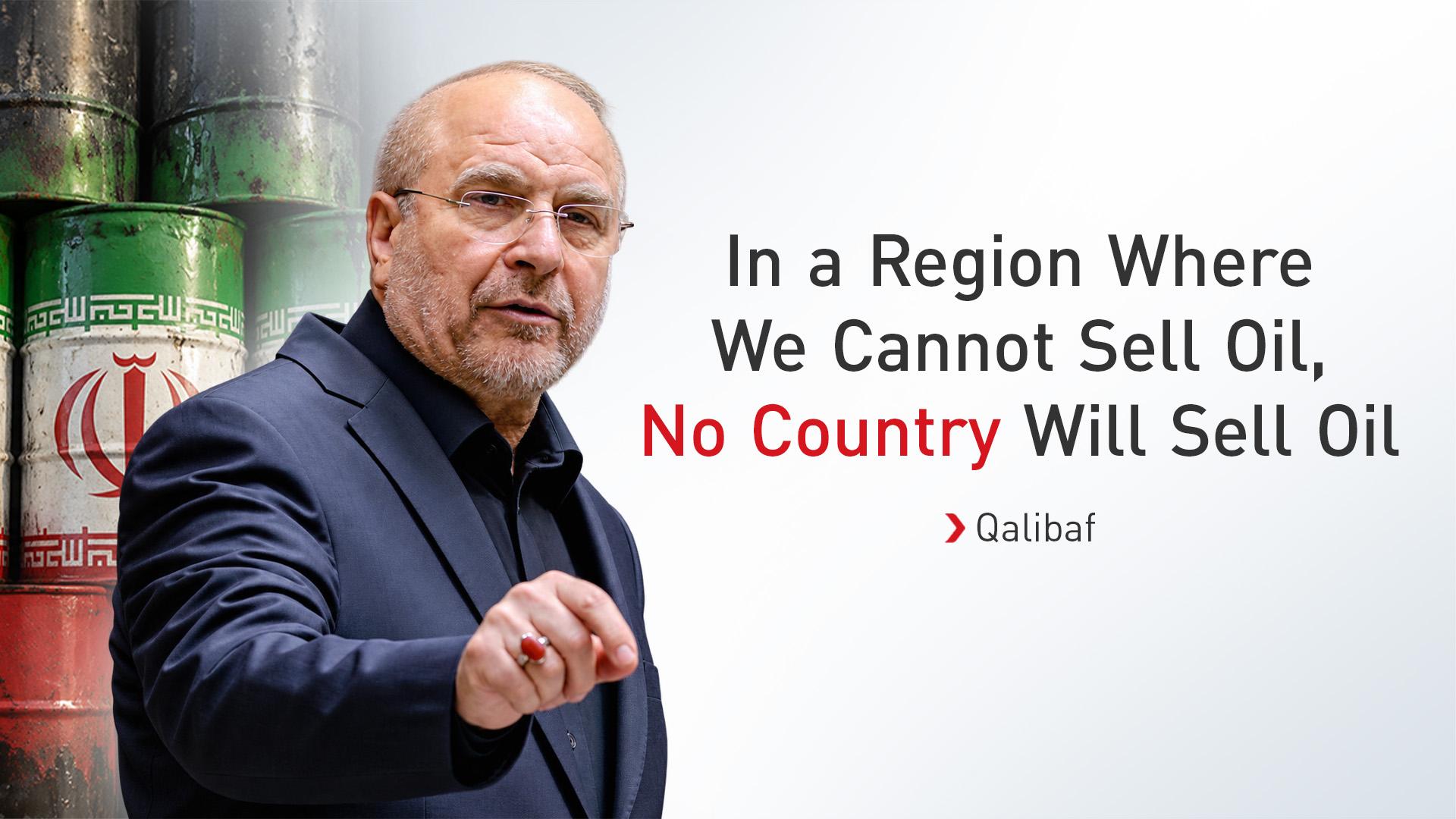
Qalibaf warned regional oil exports would halt if Iran’s security is not guaranteed. He said no country in the region could sell oil if Tehran can't.
8 outlets told this the same way.
Outlets did split on Iran Reviews US Negotiation Proposals As Pakistan And Qatar Mediate Strait Of Hormuz Dispute →
Anadolu Ajansı was read line by line by the Watchdog: 2.3. See the score →
Oil sales tied to security
Iranian Parliament Speaker Mohammad Bagher Qalibaf warned that if Iran’s security is not guaranteed, “no infrastructure will be safe,” and he linked the region’s energy fate to Tehran’s ability to sell oil. Qalibaf told an open session of parliament that “in a region where we cannot sell oil, no one will sell oil,” targeting Washington and its allies amid sanctions and blockade pressure. Qalibaf said the US and other countries should know that if Iran cannot export oil, regional infrastructure would face severe risks if Tehran’s national security is compromised.
“‘The US and other countries should know, as we have said, that in a region where we cannot sell oil, no one will sell oil,’ Qalibaf said.”
Qalibaf also warned that Iran would respond to any act of aggression or adventurism with a “tough, swift and precise” response, while rejecting US statements about the Strait of Hormuz. Qalibaf’s remarks came as Iranian Foreign Minister Abbas Araghchi left New York for Tehran after concluding intensive diplomatic consultations at the United Nations General Assembly.

Hormuz dispute and retaliation
Qalibaf said the US President Donald Trump’s remarks about the Strait of Hormuz and the passage of ships through it were “a repetition of previous claims,” and he said their truth was known to everyone.
Qalibaf warned that Iran would not allow its security to be compromised, and he linked that stance to the movement of oil through the Strait of Hormuz.
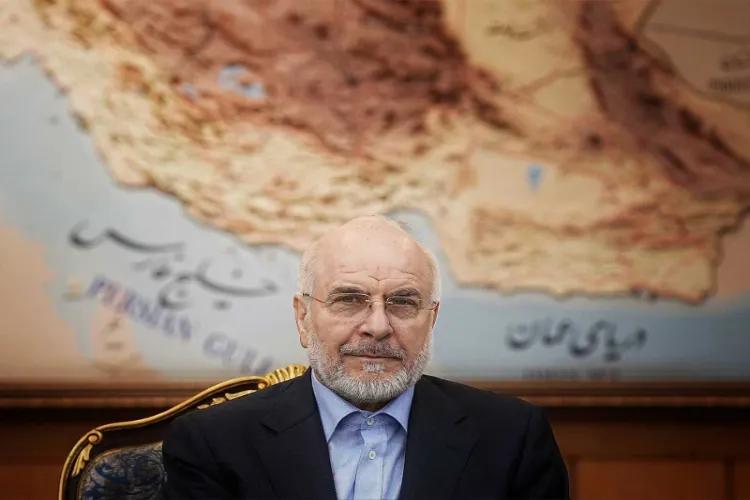
Qalibaf also warned that Iran would not retreat in the face of what he described as “air or commercial blockades,” and he said Iran’s response to any aggression or adventurism would be “regrettable and swift.”
The Anadolu Ajansı report said the US military claimed on Sept. 19 that more than 1 billion barrels of crude oil had passed through the Strait of Hormuz in recent months with US military assistance, while Washington claimed Iran had exported “zero barrels.”
The Anadolu Ajansı report said Trump rejected an Iranian proposal to reopen the Strait of Hormuz to normal commercial traffic within seven days, saying Tehran’s conditions were unacceptable and claiming Washington already had “total control” of the waterway.
Regional infrastructure and diplomacy
Kurdistan 24 reported that Qalibaf threatened to strike regional infrastructure if Iran’s security is not guaranteed, and it quoted him saying “no infrastructure will be safe.” Kurdistan 24 said Qalibaf’s oil threat extended beyond the Strait of Hormuz closure to include regional oil export infrastructure, naming Saudi Arabia's East-West pipeline, the UAE's Fujairah export terminal, Qatar's LNG facilities, and Kuwait's oil fields. Kurdistan 24 said the infrastructure threat also covered pipelines, refineries, desalination plants, power grids, and port facilities across the Gulf, framing the warning as sweeping.
“Let both Americans and other countries know: as we said before, in a region where we cannot sell oil, no one will sell oil, and if our security is not guaranteed, no infrastructure will be safe, Qalibaf said.”
Kurdistan 24 reported that Qalibaf issued the threat on the same morning as Abbas Araghchi’s departure from New York, placing the diplomatic moment alongside the parallel military threat. Kurdistan 24 also reported that Iranian Deputy Foreign Minister Kazem Gharibabadi rejected UAE claims to Abu Musa, Greater Tunb, and Lesser Tunb, saying the islands are an inseparable part of Iranian territory.