Iran11 October, 20262 min read
Iran’s Supreme National Security Council Says U.S. Response Is Insufficient as Talks Stall
This article is an automated aggregation of coverage from news outlets. Our editorials offer in-depth analysis curated by the NewsCord team.
Iran's NSC says U.S. response insufficient as talks stall. Putin conveyed Iran's position on a possible settlement to Trump, per Kremlin.

6 outlets told this the same way.
Outlets did split on Iran Reviews US Negotiation Proposals As Pakistan And Qatar Mediate Strait Of Hormuz Dispute →
Stalled talks, new strikes
Iran’s Supreme National Security Council head Mohsen Rezaei said Tehran considers the latest U.S. response “insufficient,” as negotiations to end the war remain stalled and Iran seeks to fully open the Strait of Hormuz. Rezaei, a former Revolutionary Guard commander, told Iran’s state-run IRNA news agency that Iran is no longer responding to the U.S. and said Washington must clarify certain issues, without giving details. Saudi authorities said a strike hit Riyadh’s King Khalid International Airport on Sunday after the previous day killed at least 12 people and wounded another 309, and an American was among those victims.
“Mohsen Rezaei, a former Revolutionary Guard commander, were reported by Iran's state-run IRNA news agency.”
Houthis claimed responsibility for the strikes, and CBS News reported that the Iran-backed group said it targeted the airport in Riyadh. CBS News also said the airport was closed Sunday and that terminals 3 and 4, for domestic flights, were affected.
Putin, Trump, mediation
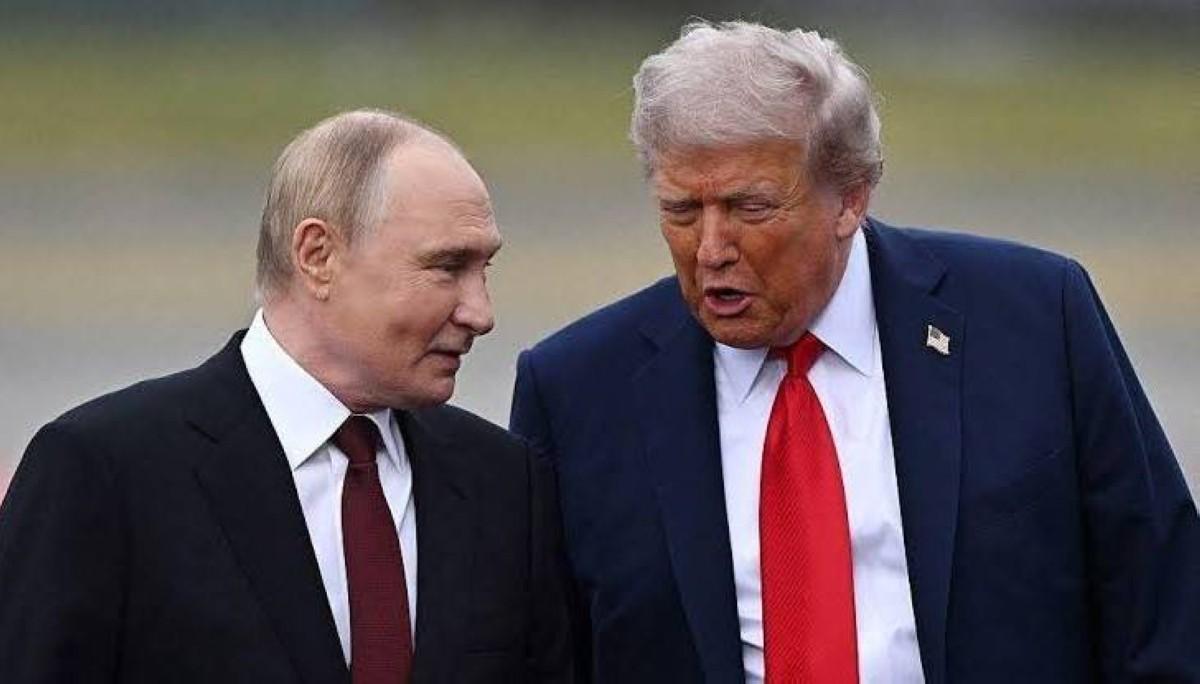
The Kremlin said Vladimir Putin conveyed to Donald Trump Iran’s position on a possible settlement of the war, in coordination with Iranian President مسعود بزشكيان. The Kremlin spokesperson دميتري بيسكوف said, “In coordination with the President of Iran, بوتين conveyed to ترامب the Iranian side's view on a possible settlement of the dispute.” Yuri Oushakov said the telephone conversation between بوتين and ترامب took place on Friday evening, 9 October, and lasted about an hour and a half, described as expansive and cordial.
Oushakov added that Putin stressed that diplomatic options on the Iranian file have not been exhausted, and that reaching an agreement with Tehran through negotiations “possible and necessary”. The Kremlin also said diplomatic efforts to end the Iran war, which has lasted more than seven months and began after American-Israeli strikes on Iran in February, have been at a standstill since the summer.
Threats, planning, and escalation
Iran’s Foreign Ministry denied the accuracy of American talk about a possible Iranian attack on Los Angeles and San Diego, describing the talk as the fabrication of a fictitious enemy. Iran’s Foreign Minister عباس عراقجي said American and Israeli military strikes targeting Iran's oil facilities and energy sector during the past two wars caused significant environmental risks, and he described the American and Israeli attacks on Iranian nuclear facilities as crimes that are unforgivable under international law. In a separate warning, Mohsen Rezaei threatened “cables, data centers, AI facilities and other sites in the region” if intense fighting breaks out again.
“Tehran denies a possible Iranian attack on Los Angeles and San Diego.”
The Pentagon, according to the report, raised the number of casualties since the start of the Iran war to 21, including two outside combat operations, according to a Washington Post official. Javad Mansouri, the first commander of the Revolutionary Guards, told Khabaronline that “Our people and the various forces of the country, especially the armed forces, must prepare themselves for the possibility that war will definitely occur”.