Iran19 March, 20263 min read
Israel Attacks Iran’s South Pars Gas Field; Iran Threatens to Strike Oil and Gas Facilities.
This article is an automated aggregation of coverage from news outlets. Our editorials offer in-depth analysis curated by the NewsCord team.
Israeli strike on Iran's South Pars gas field sent energy prices sharply higher. Iran threatened retaliation targeting oil and gas facilities in Qatar, Saudi Arabia, and the UAE.

Energy Infrastructure Attacks
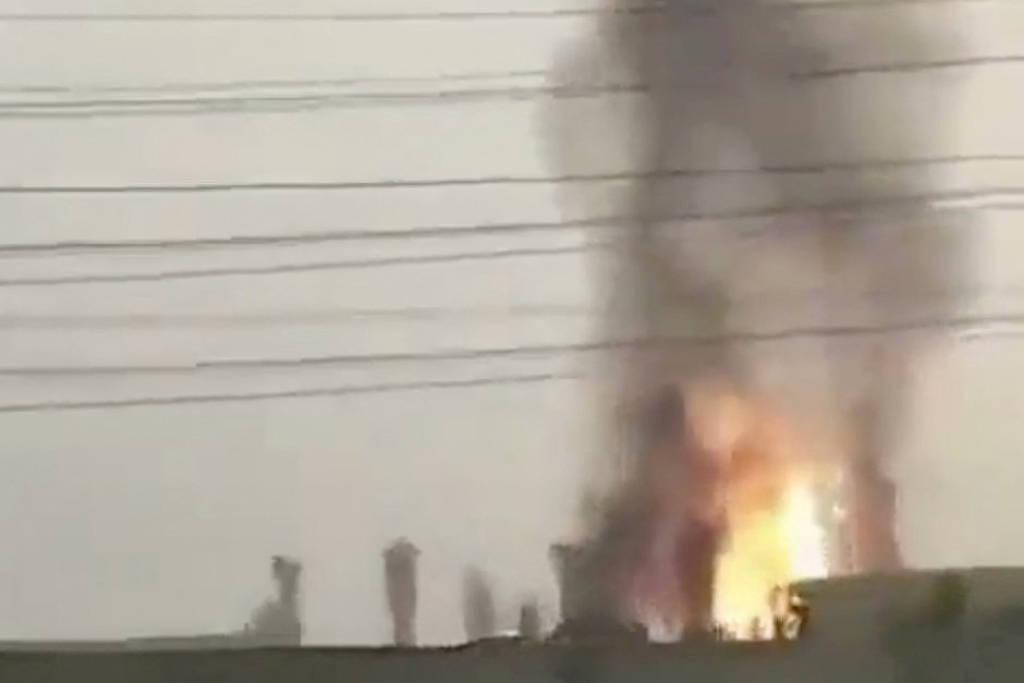
The escalating conflict in the Middle East took a dramatic turn with attacks on Iran's South Pars natural gas field, the world's largest gasfield located off the coast of southern Iran's Bushehr province. Iranian state media reported that natural gas facilities associated with this crucial energy infrastructure were attacked, with subsequent reports indicating that oil and petrochemical facilities in the southern city of Asaluyeh, a key hub for Iran's energy industry, were also hit by airstrikes according to the Iranian oil ministry's social media posts.
“Iranian state media reported that natural gas facilities associated with its offshore South Pars field – the largest gasfield in the world, located off the coast of southern Iran's Bushehr province – were attacked.”
Qatari authorities quickly reported a fire at their Ras Laffan gas facility following an Iranian ballistic missile attack, with Qatar's Interior Ministry later confirming the fire had been brought under control. The timing and coordination of these attacks represent a significant escalation in the ongoing U.S.-Israeli air war against Iran that began nearly three weeks ago, with energy infrastructure emerging as a primary target in the conflict.

Iranian Retaliation Threats
In response to the attack on its South Pars facilities, Iran's Revolutionary Guard issued immediate threats to retaliate against oil and gas infrastructure in neighboring Gulf countries. Iranian state media specifically warned that the country would target Saudi Arabia's Samref Refinery and its Jubail Petrochemical Complex, as well as the UAE's Al Hasan Gas Field and petrochemical plants and a refinery in Qatar.
Neither the U.S. nor Israel has officially taken responsibility for the strike on the South Pars facilities, though Majed al-Ansari, a spokesperson for the Qatari Foreign Ministry, explicitly blamed Israel for the attack. Qatar shares the South Pars field with Iran, but only the Iranian side was targeted in the strike, raising concerns about the potential for regional escalation as Iran vows to strike back at energy facilities across the Gulf region.
Global Economic Impact
The attacks on energy infrastructure have had immediate and severe economic consequences, with oil and natural gas prices soaring to their highest levels since the conflict began on February 28. International oil prices settled above $107 per barrel, while natural gas prices climbed across Europe, the United States and Asia. According to experts, if these disruptions persist, the global economy could face significant inflationary pressures.
“The US-Israeli war on Iran and Tehran's retaliatory attacks on Gulf neighbours have disrupted oil and natural gas exports from the Middle East and forced production stoppages. If the disruptions keep oil and gas prices elevated for an extended period, experts say, the global economy could experience a wave of inflation.”
The fighting has effectively halted most shipments via the strategically vital Strait of Hormuz, through which 20 percent of global oil and liquified natural gas supplies pass. Total oil output cuts in the Middle East are estimated at 7 million to 10 million barrels per day, representing 7 percent to 10 percent of global demand. These figures underscore the potentially devastating economic impact of targeting energy infrastructure in the region.
International Responses
In response to the escalating energy crisis, the Trump administration has taken immediate diplomatic and economic measures to mitigate the impact on global markets. On Wednesday, the U.S. government announced a 60-day waiver of the Jones Act shipping law, temporarily allowing foreign-flagged vessels to move fuel, fertilizer and other goods between U.S. ports. Additionally, the United States issued a general license authorizing certain deals involving Venezuela's state oil company PDVSA, signaling a potential shift in U.S. policy toward Venezuelan oil exports.
Meanwhile, Iraq has attempted to stabilize its position in the energy market, with sources indicating that the North Oil Company had resumed exports via pipeline after Baghdad and the Kurdistan Regional Government agreed to restart flows. Two oil officials had previously stated that Iraq was seeking to pump at least 100,000 barrels per day through the port, representing a modest effort to offset some of the production losses affecting the region.
