Lebanonupdated 48m ago3 min read
Joseph Aoun Tells Tripoli Magistrates Justice And Security Are Intertwined, Vows End To Neglect
This article is an automated aggregation of coverage from news outlets. Our editorials offer in-depth analysis curated by the NewsCord team.
Aoun asserts judiciary and security are intertwined and promises end to neglect in Tripoli. Tripoli visit marks first presidential trip in 15 years, pledging development and public trust.
Explore source coverage 3 source types
Directory totals describe our source library, not outlets checked for this story.
4 outlets told this the same way.
Outlets did split on Adel Nassar Seeks Judicial Council Referral Over Hezbollah Explosives Shipment →
Justice and security link
President Joseph Aoun visited Tripoli and emphasized that justice and security are intertwined during remarks at the Palace of Justice in Tripoli. Aoun said, "the judiciary and security are intertwined and complement each other, and delayed justice is not justice," and he added that it is the citizen's right for the state to ensure justice through a transparent and independent judiciary. Aoun also told magistrates, "fighting corruption is a priority, and digital government and fair judiciary contribute to combating it," while insisting that "the judge must not convict an innocent person nor acquit a criminal."
Aoun said he was "alongside you, so do not allow anyone to influence you, and perform your duties as dictated by your conscience," framing the judicial message as part of a broader security approach. Aoun’s Tripoli tour also included the Palace of Justice and the Rachid Karami International Fair, where he spoke about ending neglect and placing the citizen’s interest above other considerations.
A message to Tripoli
Aoun told residents during his Tripoli visit that the state is present and stands by the city’s people, saying, "My visit aims to tell the people of Tripoli that the State is present and always stands by their side." Aoun described Tripoli as wronged by state neglect and by "the folly of gangs masked as politics," and he said he was placing in Tripoli’s mailbox a message that the city is "history and science and the heart of the north." Aoun said, "Tripoli has the capacity to be a model of convergence, cooperation, and looking toward the future," and he framed the visit as a milestone to strengthen trust between the state and the city’s residents.
Aoun also urged that Lebanon rises when its sons meet on the state project, and he said, "Lebanon does not rise with one team or one sect, but rises when its sons meet on the state project." Aoun’s remarks were delivered alongside ministers including Ahmad Hajjar and Adel Nassar, as the visit unfolded across Tripoli’s serail and key civic sites.
Security, unity, and institutions
Aoun linked the push to end neglect in Tripoli with a call for security services to fulfill their duties without yielding to pressures, telling the State Security Center, "Show no laxity, do not yield to pressures, perform your duties conscientiously, and live up to your responsibilities."
At the courthouse, Aoun reiterated the complementarity between justice and security, saying, "For me, justice and security are inseparable and complementary. Delayed justice is not justice."
Aoun also argued for unity and state authority, stating at the Rachid Karame Exhibition Center, "A strong and united State rests on the monopoly of weapons in the hands of its single army."
Aoun warned that division does not protect anyone and said, "division does not protect anyone and weakening the State does not strengthen any component," while presenting the message as a lesson from the past.
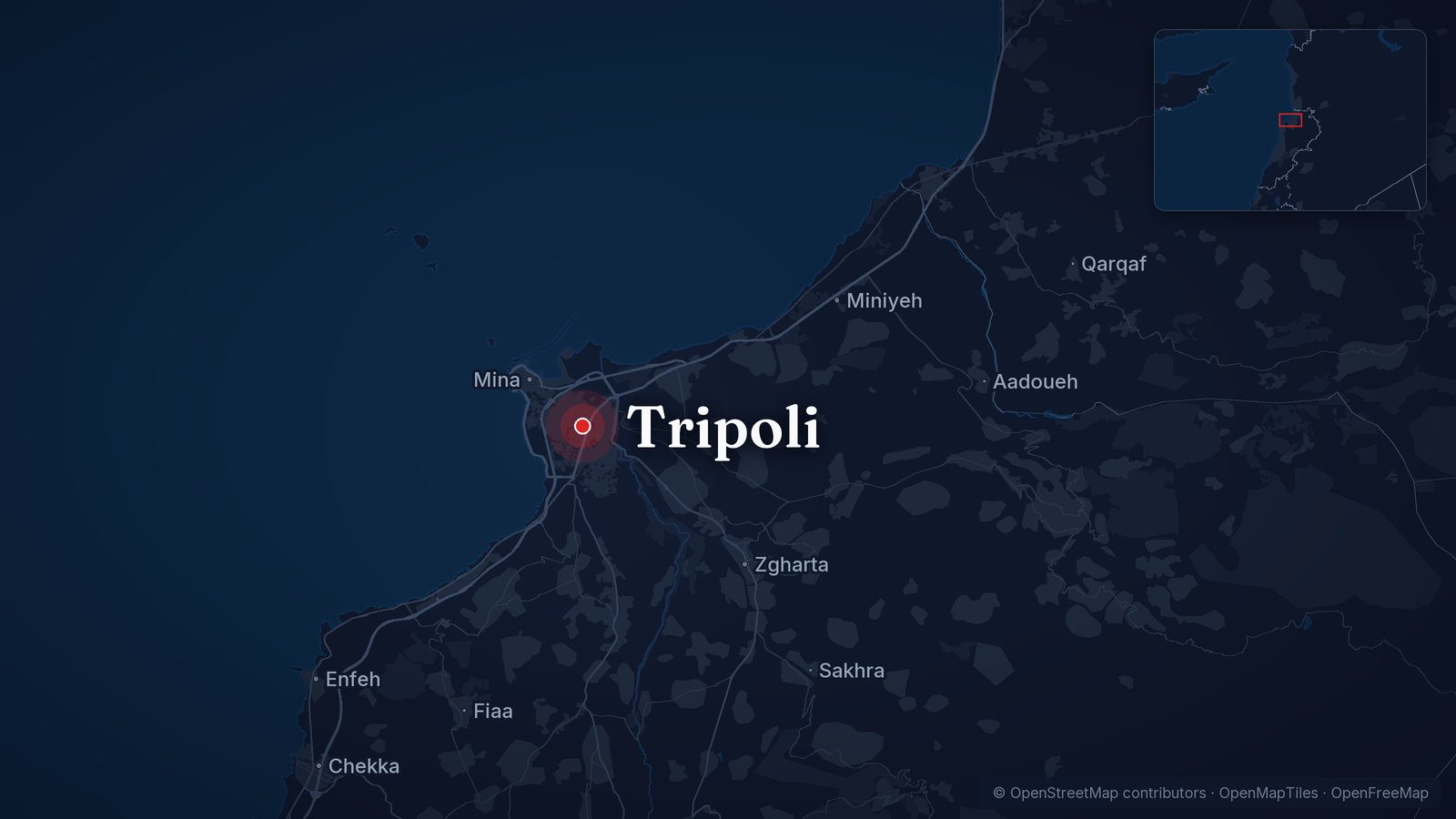
Aoun’s visit was described as the first presidential stop in Tripoli in nearly fifteen years, and it included stops at the Palace of Justice, Tripoli Port, the special economic zone, and the Rachid Karami International Fair.