
Africa · 29 June, 2026 · 3 min read
June 2026 Journalism Fellowship Opens Applications for Ghana and Nigeria Climate Reporters
Fellowship opens applications for Ghanaian and Nigerian climate reporters. Covers adaptation, energy and sustainable development reporting.
Locally led adaptation: contextualization vs other capacity/implementation focuses.
3 of 4 outlets skipped it: a journalism fellowship targets reporters in Ghana and Nigeria..
10outlets compared
Same story, two versions
tap a side to read it in full
Africa Sustainability Matters
“equipping journalists with the technical knowledge”Read the original ↗
One stresses adaptation design integrity; the other highlights capacity-building for reporting.
Fellowship boosts climate reporting
A new journalism fellowship targeting reporters from Ghana and Nigeria was announced in June 2026 by climate communication partners to strengthen evidence-based climate reporting across Africa on adaptation, energy and sustainable development. The fellowship invites journalists based in Ghana and Nigeria to apply for specialised training and reporting support focused on climate change, environmental sustainability and development issues, with organisers saying it aims to build capacity for fact-based, solutions-oriented reporting. The initiative comes as governments, businesses and development institutions accelerate climate adaptation and energy transition programmes, and as African countries mobilise billions of dollars in climate finance through multilateral institutions, development banks and private investment.
Organisers say the fellowship is designed to improve reporting on issues ranging from climate finance and biodiversity conservation to food security, water management and energy transitions, while also addressing how climate-related decisions influence economic competitiveness, fiscal planning and long-term resilience. The programme aligns with the African Union’s Agenda 2063 aspirations to build knowledge-based economies, strengthen democratic institutions and promote innovation, with the stated goal of supporting informed public debate around climate policy.
YouthADAPT workshop in Cape Town
The African Development Bank Group organised a stakeholder consultative workshop on February 24–25, 2026, in Cape Town, South Africa, to promote adaptation solutions delivered by youth and supported by the Bank Group’s YouthADAPT program in its new phase. The consultation brought together business leaders, policymakers, and development partners to examine key lessons from the first three cycles of YouthADAPT and explore design options for the program’s fourth cycle, with discussions underscoring the need to go beyond grant funding and strengthen post-award support. YouthADAPT is described as a flagship initiative implemented by the African Development Bank Group to support youth-owned enterprises providing innovative climate adaptation solutions across Africa, funded by the Multi-Donor Trust Fund for Youth Innovation and Entrepreneurship (YEI MDTF) and the Africa Climate Change Fund (FCCA).
In its first three cycles (2021–2025), the program supported 39 enterprises in 20 African countries and helped create about 11,000 direct and indirect jobs, while women-owned enterprises accounted for 63% of the portfolio. At the opening of the workshop, Al-Hamndou Dorsouma, head of the Climate and Green Growth Division of the African Development Bank Group, said, “Innovation is the bridge between these two realities,” linking Africa’s youthfulness to climate vulnerability.
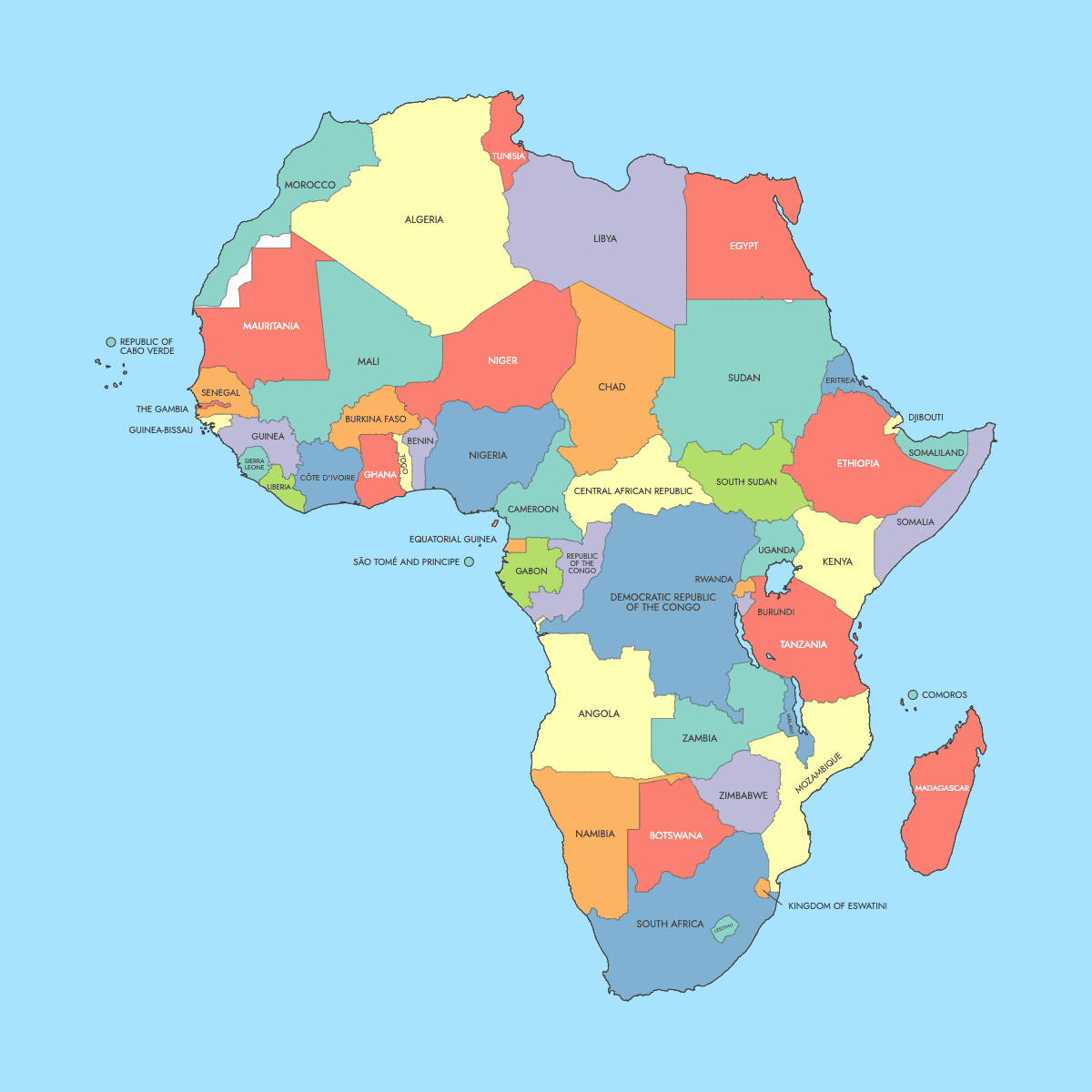
Locally led adaptation and funding
A report published in late January 2026 says adaptation efforts in Africa remain fragmented, unevenly funded, and dominated by external priorities, and it argues that locally led adaptation initiatives must be integrated to strengthen resilience for livelihoods, ecosystems, and development. In a video interview with SciDev.Net, Emmanuel Siakilo, senior advisor on climate change adaptation and resilience to the AUC, warned against “copy-paste interventions” and against “injecting money into interventions that do not necessarily work for the continent.” The report says adaptation must move from a project-centered approach to environmental interventions to a systematic integration into macroeconomic planning, public finance systems, and sectoral policies, and it warns that climate change adaptation is no longer “just a development priority, but an imperative for survival.”
It identifies four crucial locally led interventions that governments across the continent could adopt, including climate-smart agriculture and agroecological practices integrated with traditional knowledge, and early warning systems where meteorological data are linked to local intervention planning. The report also stresses that the resources available to national public institutions are not sufficient to manage adaptation interventions on the continent, with Siakilo saying, “In reality, African countries have used resources intended for essential social sectors such as health and education to adapt to the impacts of climate change … which creates further difficulties for the communities in those countries.”