USA15 September, 20263 min read
Kash Patel Defends FBI Hiring Standards Loosening on Prostitution and Bestiality at Senate Hearing
This article is an automated aggregation of coverage from news outlets. Our editorials offer in-depth analysis curated by the NewsCord team.
FBI removed bestiality and prostitution from automatic disqualification to help trafficking victims apply. He argued revisions ensure victims are not punished and enable recruitment of qualified applicants.
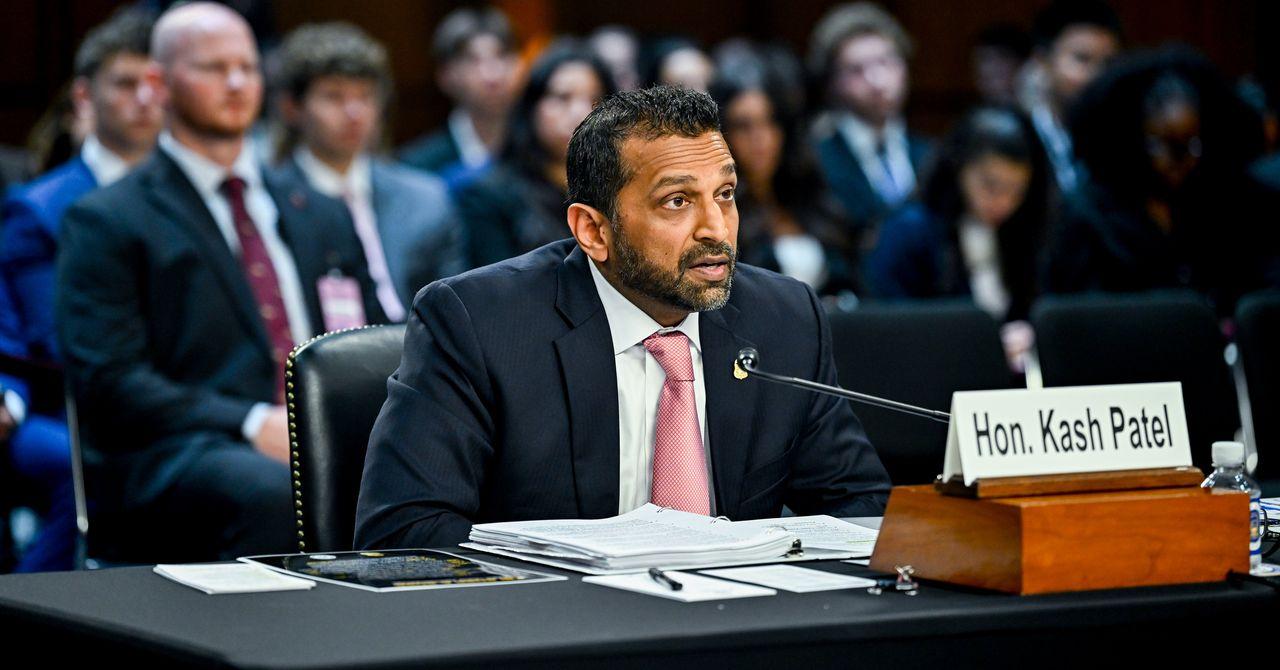
Patel defends hiring changes
FBI Director Kash Patel defended the bureau’s loosening of hiring standards on applicants’ past experience with prostitution and bestiality during a Senate Judiciary Committee oversight hearing in Washington on Tuesday. Patel told senators the policy was meant to prevent automatic disqualification of trafficking victims and others forced into such conduct, saying, "We did not want to punish victims of bestiality, victims who were trafficked." He also framed the change as preserving vetting while allowing case-by-case consideration, insisting, "We did not want to make it an automatic disqualification for the FBI to consider you."
“We did not want to punish victims of bestiality, victims who were trafficked.”
The hearing unfolded as Democrats and Republicans clashed over Patel’s management of the FBI, including his firing of agents who participated in investigations of President Donald Trump and whether employees would be dispatched to the polls on Election Day. Patel’s appearance followed earlier scrutiny of his record, including an article by The Atlantic that accused him of "bouts of excessive drinking" and job-performance issues, which he denied in connection with a $250 million defamation lawsuit.

Durbin and Kennedy press
Senate Judiciary Committee ranking member Dick Durbin attacked Patel in his opening statement, calling him "the least qualified and most partisan FBI director" in the nation’s history.
Republican Sen. John Kennedy of Louisiana challenged Patel’s rationale for removing barriers, asking, "Why would you even get into bestiality?"

Patel replied that the change was recommended to him after he saw cases in which qualified applicants were denied consideration because they had been forced into bestiality as a result of human trafficking, and he told Kennedy, "That was my initial response, senator."
Durbin disputed Patel’s framing and said Patel had dropped automatic disqualification for applicants who had engaged in bestiality rather than victims, telling Patel, "You dropped automatic disqualification for applicants who have been engaged in bestiality".
The exchange also included Patel’s insistence that he was not lowering standards, with the FBI spokesperson later saying the bureau was "not relaxing hiring standards" and that applicants who engaged in criminal sexual acts were not eligible for employment.
Election plans and fallout
Beyond the hiring fight, the Senate hearing also turned to the FBI’s election-related investigations and whether agents would be dispatched to polling places on Election Day.
Patel said the FBI has an election coordinator in each of its 56 field offices to respond to issues at polling places, including alleged election interference, and he did not rule out dispatch if problems arose.
In one combative exchange, Democratic Sen. Peter Welch of Vermont asked Patel, "Do you pledge that you will not in any way interfere in the will of the America people when they go to the polls in November," and Patel responded, "I pledge unequivocally that I will not participate in your charade of lies," later calling Welch a "total fraud."
The hearing also revisited Patel’s handling of the Epstein files, with Patel saying the FBI complied with the Epstein Files Transparency Act and released 3.5 million pages of documents, while survivors criticized the administration over unredacted personal information and lack of additional prosecutions.
As the controversy continued, the bureau’s revised hiring standards remained a focal point alongside broader personnel and travel scrutiny, including the claim that the bureau lost 1,139 special agents in 2025 and Patel’s defense of government-aircraft travel for security reasons.