Technology and Science17 September, 20263 min read
Korean Air Completes Swarm Flight And Precision Strike Demo With 22 AI Drones
This article is an automated aggregation of coverage from news outlets. Our editorials offer in-depth analysis curated by the NewsCord team.
Korean Air flew 22 AI drones simultaneously in a swarm demonstration. The mission combined reconnaissance, air defense disruption, and precision strike in one operation.
6 outlets told this the same way.
Korean Air’s AI swarm demo
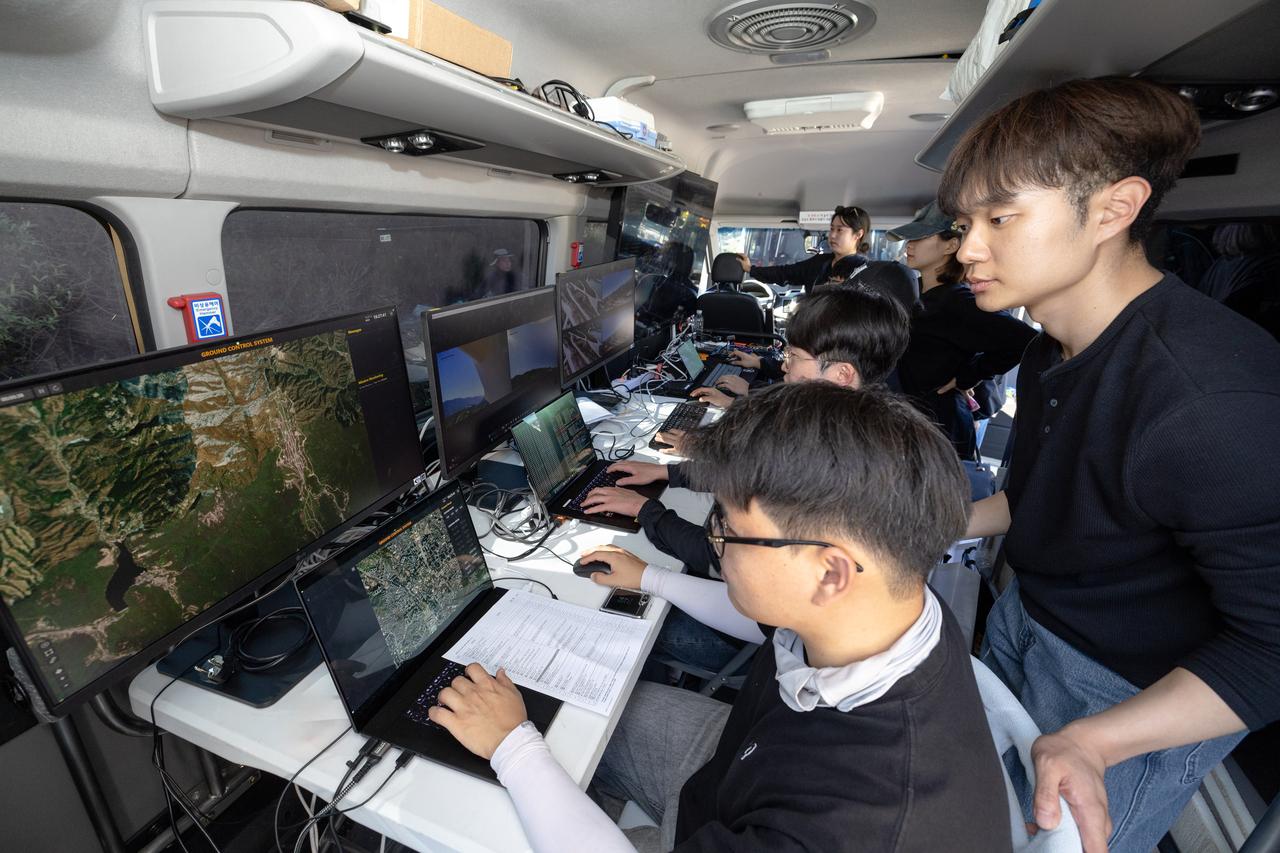
Korean Air said it successfully completed a swarm flight demonstration of artificial intelligence-based unmanned aerial vehicles it developed on its own at the 2026 Defense Drone Technology Competition held by the Ministry of National Defense on the 16th at the Seungjin training range in Pocheon, Gyeonggi Province.
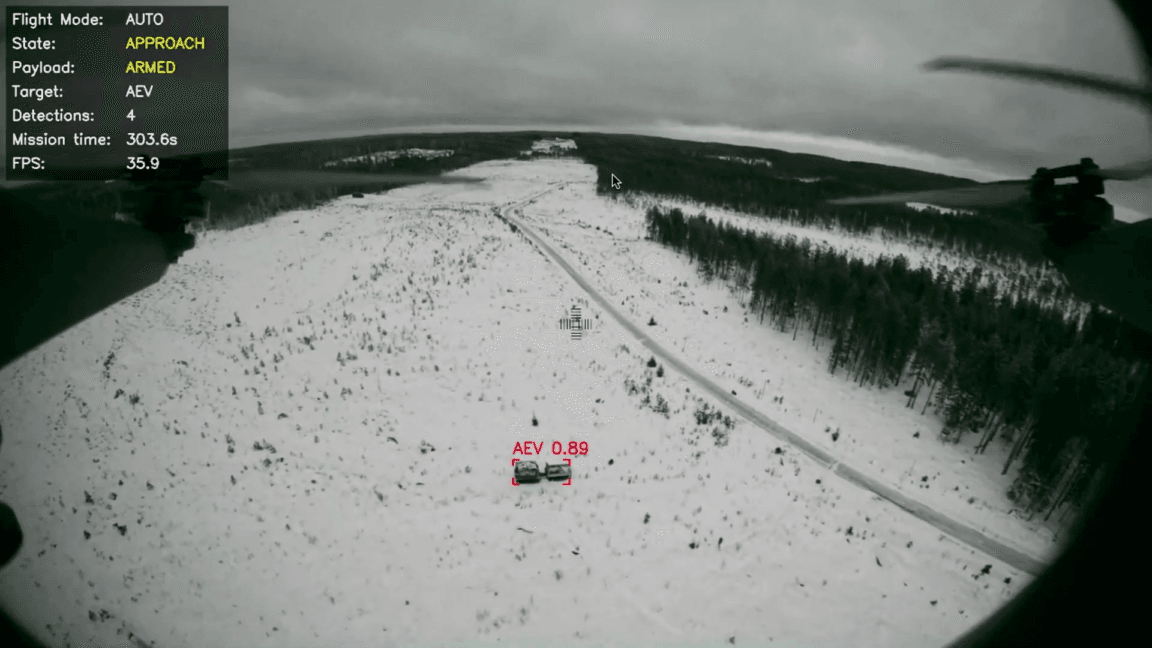
The company said 22 drones flew simultaneously without collisions and completed their missions, with two lead drones using AI-based real-time automatic target recognition (ATR) technology to detect threats and carry out target reconnaissance.
Korean Air added that 10 drones disrupted and deceived enemy air defenses through high-maneuver swarm flight, while the remaining 10 dived vertically onto targets identified by the advance group and struck them simultaneously with precision and no margin of error.
In an unusual format, Korean Air said AI briefed the drones’ mission status directly, relaying updates such as "Position confirmed. Switching to target identification phase" and "Precision strike mission successfully completed" in real time by an AI voice.
Korean Air said the autonomous swarm control, simultaneous swarm strike, and AI-based comprehensive monitoring shown that day were all operated through its own integrated battlefield management system, and that one person could control multiple UAVs at once using AI technology.
Officials and engineers frame it
A Korean Air official said the demonstration was "a successful case in which drones completed their mission autonomously by combining AI with the UAV development and flight control technologies we have accumulated over decades," adding, "With technology Korean Air developed on its own, we will contribute to strengthening South Korea's drone technology capabilities and lead the domestic drone industry." Ars Technica described a NATO-backed effort to deploy AI-driven target detection and selection that can run on small drones, saying the startup Scaleout Systems was selected to join NATO’s Defence Innovator Accelerator for the North Atlantic (DIANA) Challenge Program in 2025. Ars reported that Scaleout Systems cofounder and CEO Andreas Hellander told the outlet, "With the war in Ukraine and a shifting world, we realized that this technology can be very important to operationalize edge data and sensor data for machine learning to make sure that NATO allies have found that strategic advantage," as the company pivoted toward defense applications after 2022.
Ars said Scaleout is harnessing leaner machine learning models rather than frontier AI models from OpenAI or Anthropic, aiming for systems that "fit on forward-deployed hardware and edge hardware" ranging from small embedded devices to edge workstations. The Ars piece also said Scaleout worked on the Federated Aerial Intelligence for Recon project to adapt machine learning models for the edge computing hardware found in drones, drone pilot tablets, and field command posts.

Battlefield stakes and risks
In remarks at the Air Force, Space, and Cyber conference at National Harbor, Maryland, on September 16, the Chairman of the Joint Chiefs of Staff, General Dan Kain, stressed that ground, sea, and air forces face a persistent threat of surveillance and attack. The Vietnam.vn report said General Kain warned that the army should develop strategies based on the assumption that combat formations will be pursued by autonomous systems, will be subjected to comprehensive jamming, and will be monitored in real time. It added that the technological shift shortens the time from target detection to attack decision to a minimum, greatly reducing the soldiers’ and equipment’s ability to hide, while GPS navigation systems can be disrupted and data channels controlling unmanned vehicles can be cut.
Ars Technica’s account of small-drone AI target detection and selection described a NATO-backed startup helping to deploy AI-driven target detection and selection that can run on small drones for surveillance and attack missions. Together, the sources frame the next phase of drone technology as tied to autonomy under contested conditions, with General Dan Kain emphasizing jamming and real-time monitoring and Ars describing edge-deployable AI models for forward hardware.