Gaza Genocide14 July, 20263 min read
Leaked Trump-Netanyahu Call Spurs Israel’s $1.5m Campaign Targeting U.S. Voters on Iran
This article is an automated aggregation of coverage from news outlets. Our editorials offer in-depth analysis curated by the NewsCord team.
Israel launched an influence campaign targeting Trump voters to bolster Iran policy support. Campaign leverages MAGA base and social media influencers to push messaging.

Gaza as a template
The war on Gaza is being invoked in a wider dispute over U.S.-Iran diplomacy, with a White House post described as applying the Gaza example to anyone who challenges the Jewish state after a leaked call between Donald Trump and Israeli Prime Minister Benjamin Netanyahu. In that leaked call, Trump attacked Netanyahu angrily, saying, "crazy" and that "everyone hates him and hates Israel," while also saying, "The only people manufacturing a conflict between President Trump, Israel, and me are anonymous officials using background quotes to make me the bogeyman," according to the reporting.
The same reporting frames Trump’s approach as a pattern of public messaging around ceasefires, noting that the U.S. and Iran have maintained a state of "no-war, no-peace" while awaiting an announcement of a victory. The Jerusalem Post report also ties Israeli efforts to shape U.S. political attitudes to the same broader contest, saying Israel paid Brad Parscale’s company $1.5m. and that the campaign was designed to "prevent the enemies of Israel and the West from driving a wedge between Israel and the Americans who have traditionally supported it."
Influence, elections, and messaging
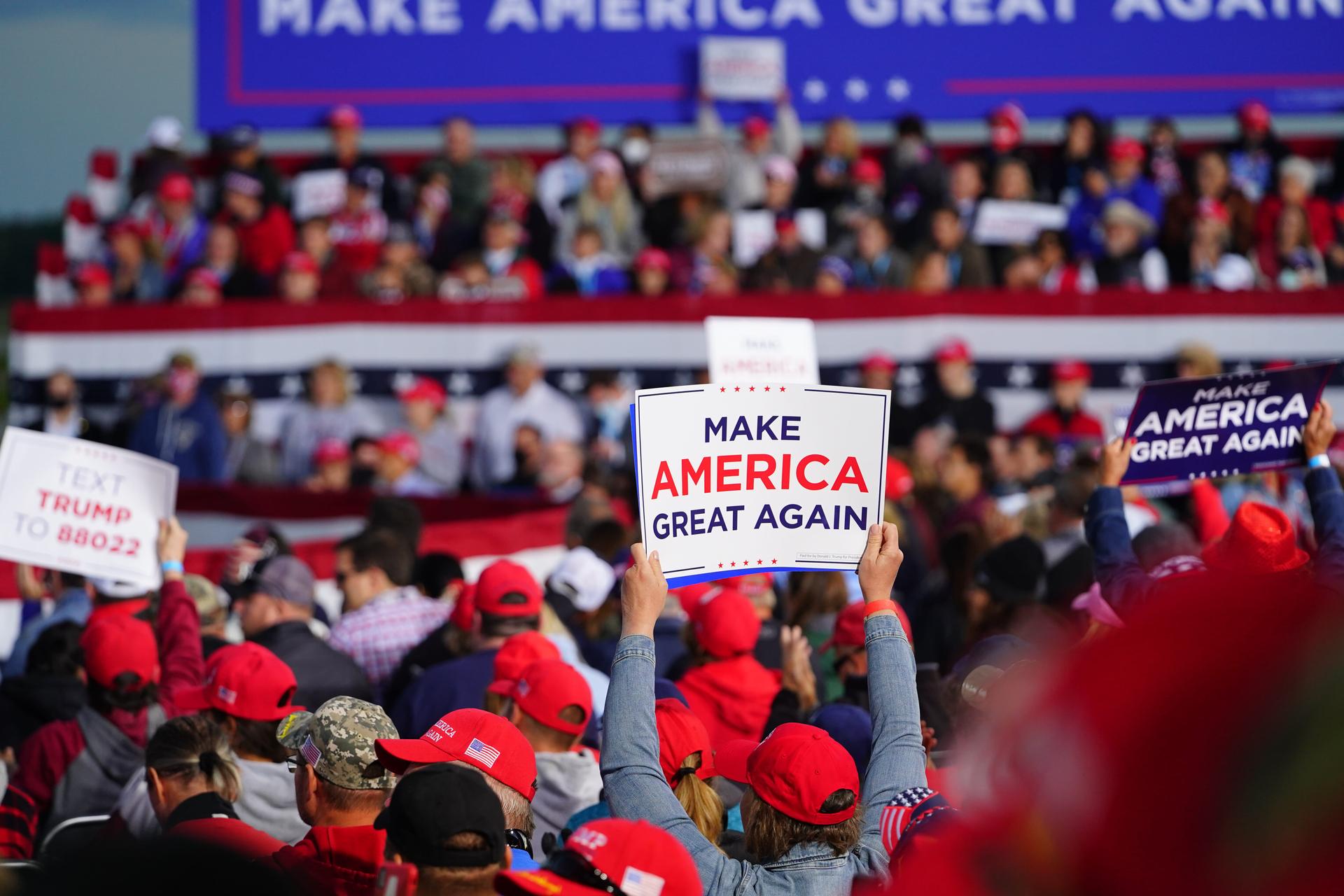
Israeli media, as described by Al-Manar TV Lebanon, said "Israel" has started an influence campaign on Trump voters in an attempt to maintain his support, linking the Gaza-era political environment to U.S. domestic backing.
In parallel, the Quds News Network described anxiety inside Likud over holding elections, saying "tens of thousands of voters will not participate in the vote" and pointing to disagreements over the enlistment law and prospects of early elections.

The Quds News Network also quoted a source saying, "If we are heading to elections, they must be on September 1. September 15 is very problematic because of the large number of voters traveling to Ukraine," while noting that even September 1 coincides with the start of the school year.
Against that backdrop, the Jerusalem Post report described how Parscale’s Clock Tower X was hired for a digital campaign for Israel under a Foreign Agents Registration Act arrangement, including a pledge to "amplify the campaign across social media" through Salem Media Network properties.
What’s at stake next
The Gaza ceasefire dynamic is presented as a cautionary model for stalled diplomacy, with The Economist described as arguing that the Gaza ceasefire was meant to be a first step and that "Eight months later, none of that happened." In the same account, the unresolved outcome of the U.S.-Iran confrontation is described as a temporary agreement extending the ceasefire for at least 60 days, reopening the Hormuz Strait, and offering modest sanctions relief in exchange for Iran’s pledge to roll back its nuclear program.
The Jerusalem Post report adds a political stakes layer by describing an Israeli official’s frustration with Parscale’s work, saying, "We are p***ed at Brad Parscale," and adding, "Things have only gotten worse," as the campaign was supposed to make things better. Finally, the IFRI report frames the broader regional escalation as politically perilous for the U.S., noting that the first two weeks of the Epic Fury operation have already seen the deaths of several American soldiers and that Trump acknowledged on his Truth Social network that further losses were possible if the conflict prolonged.