
South America · updated 1h ago · 3 min read
Lula And Flávio Bolsonaro Head Into Brazil Vote With Real Tied To Fiscal Signals
Lula da Silva leads Flávio Bolsonaro in a tight first-round race. If no candidate wins majority, runoff scheduled for October 25.
21 outlets told this the same way.
21outlets compared
Polls, runoff, and the real
Brazil’s presidential race heads into voting on Sunday, October 4 with Luiz Inácio Lula da Silva and Flávio Bolsonaro in a tight contest, and the presidential definition moves to a second round on October 25 if no candidate obtains a majority. Goldman Sachs analyst Teresa Alves frames the currency’s reaction as depending on policy changes after the elections, more than the outcome itself, and she links the real’s path to how much fiscal premium Brazil can eliminate or reintroduce. Goldman Sachs places a plausible range between BRL$4.50 and BRL$4.80 per dollar if the electoral outcome is accompanied by a fiscal orientation the market perceives as favorable, and it calculates a depreciation of close to 14% toward BRL$5.80 if the fiscal premium returned to the December 2024 highs.
The real has kept year-to-date gains but lost momentum during the quarter, while the market begins to look at the fiscal signals that the next government will deliver. Reuters places the campaign’s closing stakes on whether Brazil follows the conservative shift sweeping the region or charts its own course, with a second-round vote on October 25 likely pitting Lula against Senator Flavio Bolsonaro.
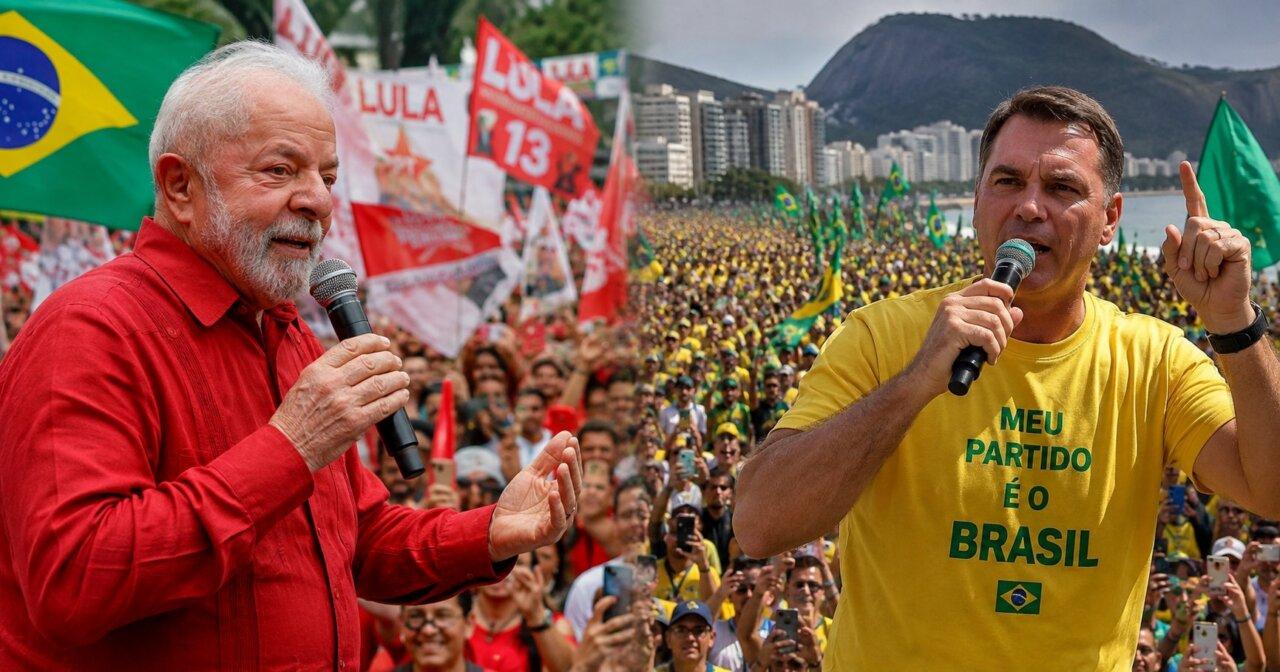
Debates and campaign tactics
Luiz Inácio Lula da Silva ruled out participating in the televised debate among the contenders planned for Thursday, three days before the election, and Globo TV reported that Lula’s advisers communicated the decision to Globo.
Globo reported it would leave Lula’s chair in the debate empty, while ultranationalist senator Flávio Bolsonaro said at a rally in Goiás state last Sunday, "I’m going to Globo’s debate. I’m confirming it here."
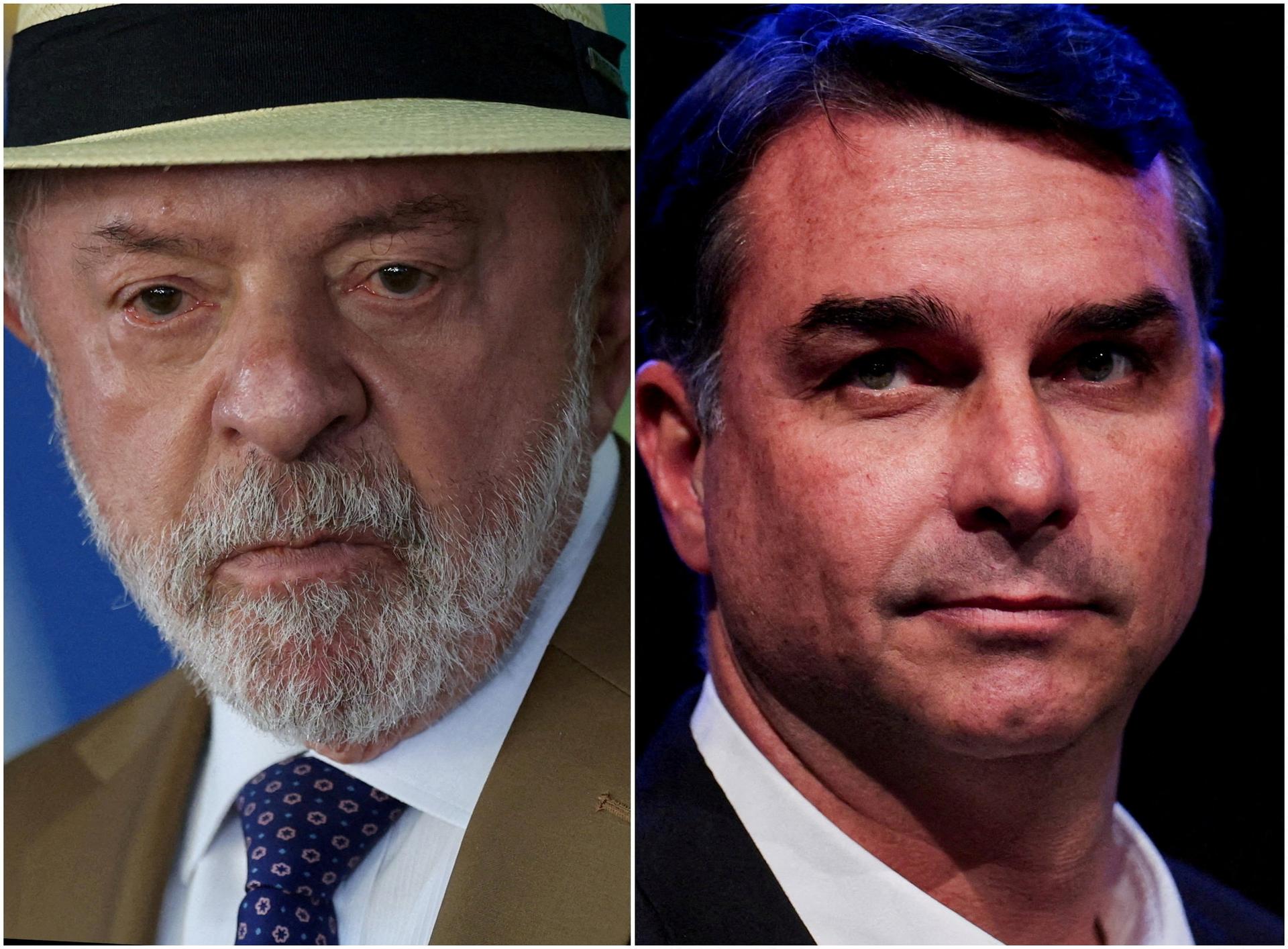
Four other candidates invited to the debate already confirmed their participation, including ultranationalist senator Flávio Bolsonaro, former Goiás governor Ronaldo Caiado, psychiatrist and writer Augusto Cury, and former Minas Gerais governor Romeu Zema.
The Conversation describes a campaign that is largely digital and says that about 30% of voters remain undecided in the first round, with the average of the last 18 polls conducted up to September 22 showing 39.4% for Lula and 33.6% for Flávio Bolsonaro.
The Conversation adds that voting is mandatory for citizens who can read and write aged 18 to 70, and it states that if no presidential candidate obtains 50% of valid votes plus one more vote in the first round, the two leading candidates face off in the second round scheduled for October 25.
Governance, Congress, and trust
The Atlantic Council says Brazil’s October 4 election will also largely settle the composition of Brazil’s National Congress, with the presidential contest running alongside elections for governors, two senators in each state and the federal district, and all 513 members of the Chamber of Deputies. With fifty-four of the Senate’s eighty-one seats up for election, the congressional vote will be especially consequential for the balance of power, and it notes projections pointing to a stronger right and center-right bloc that could reach up to 40 percent of the seats. The election outcome will influence Brazil’s democratic trajectory for years to come, and it frames the vote as a contest between President Luiz Inácio Lula da Silva seeking a fourth term and Flávio Bolsonaro, the son of former President Jair Bolsonaro.
The Trump administration imposed heavy trade duties on Brazilian exports in retaliation for the judiciary’s alleged "witch hunt" against former President Bolsonaro, and it says Trump verbally attacked and sanctioned the Brazilian Supreme Court justice responsible for prosecuting Jair Bolsonaro. Brookings reports that the election outcome will influence Brazil’s democratic trajectory for years to come, and it frames the vote as a contest between President Luiz Inácio Lula da Silva seeking a fourth term and Flávio Bolsonaro, the son of former President Jair Bolsonaro.