South Americaupdated 1h ago2 min read
Archive photo · 16 February 2023Lula Defeats Flávio Bolsonaro To Win Fourth Brazil Presidential Term
“buses had been taken off the roads in several cities”
“Lula accused public officials of purposefully slowing down public transportation”
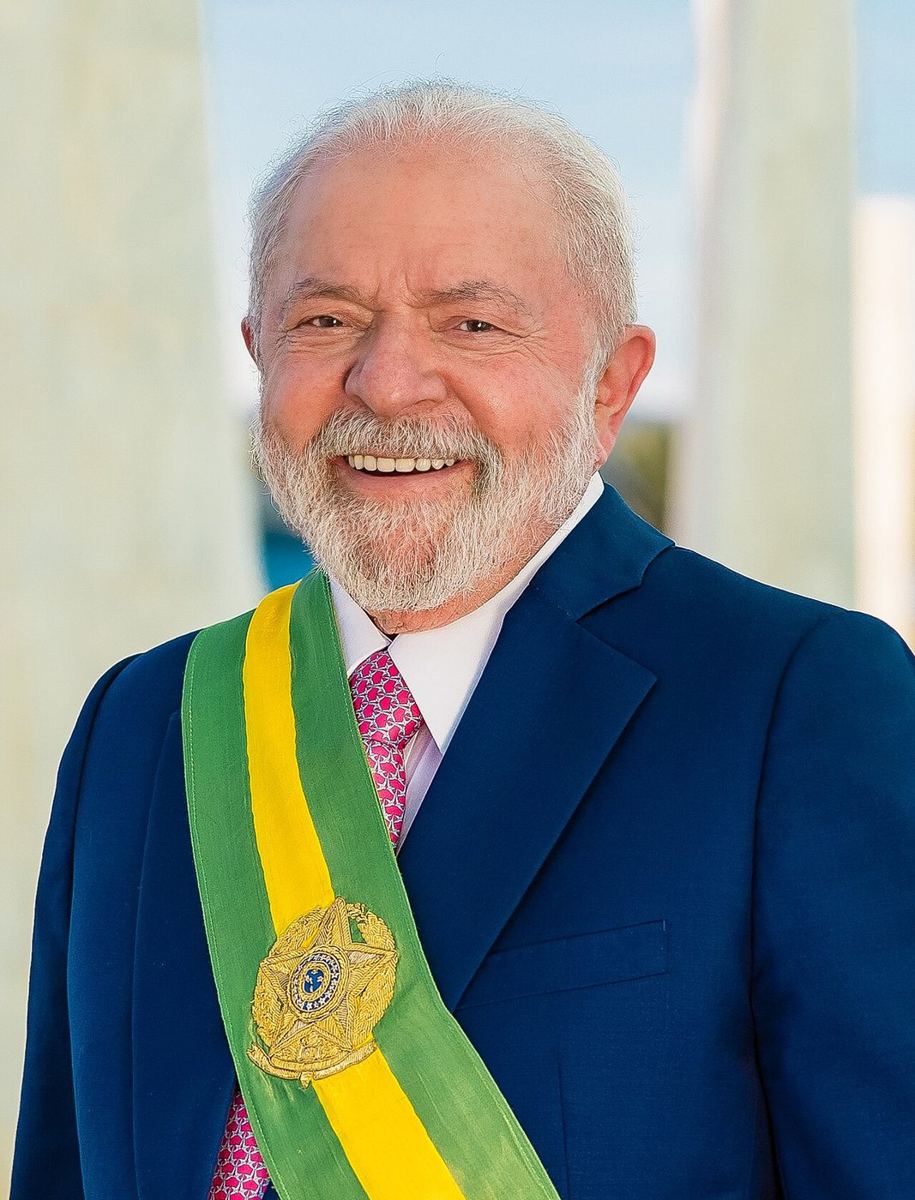
Photo: Ricardo Stuckert/PR, CC BY 2.0 · Cropped for layout
This article is an automated aggregation of coverage from news outlets. Our editorials offer in-depth analysis curated by the NewsCord team.
Lula da Silva wins Brazil's presidential runoff, securing a fourth term. Lula defeats Flávio Bolsonaro in runoff, with about 51% to 49% per official results.
Lula wins fourth term
Brazil’s electoral court announced that President Luiz Inácio Lula da Silva was reelected Sunday in a presidential runoff, with 100% of the vote counted and an unassailable lead of nearly 4.4 million votes over opponent Flávio Bolsonaro.
The AP described the result as a relief to critics of widening U.S. influence in Latin America, while the runoff pitted Lula, a vocal critic of President Donald Trump, against Flávio Bolsonaro, a far-right ally of Trump.
The announcement capped an evening of chaos at polling places after a Supreme Court justice extended voting by two hours, a decision that may trigger legal action by Bolsonaro.
CBS News said the electoral court’s announcement ended the confusion after the Supreme Court-mandated pause, and it placed the next term beginning on Jan. 5, 2027.
Lula’s victory came after he staged a comeback to defeat Flávio Bolsonaro and claim a historic fourth term, with nearly 99% of votes counted and Lula at 51.75% to Bolsonaro’s 48.25%.
Voting extension sparks legal
Supreme Court Justice Cristiano Zanin ordered voting extended by two hours, and AP said the ruling came three minutes before the scheduled end of voting after requests by both candidates. Zanin ordered voting extended by two hours beyond its normal 5 p.m. closing time, but NPR said the order reached some polling stations after officials had deactivated their electronic voting machines, meaning voting could not resume there. At a polling station in Rio de Janeiro, NPR quoted 36-year-old accountant Manuela Tunas saying, "This is absurd," and she added, "If some people can vote, and others can't, it's unfair."
The New York Times said Bolsonaro argued that flooding in a part of the country where he held electoral advantages would unfairly hurt him, while Lula accused public officials of purposefully slowing down public transportation in areas where he won in an earlier round of voting. The Supreme Court justice’s decision to extend voting by two hours capped an evening of chaos at polling places across Brazil.
What the result changes
Lula’s victory, if confirmed by electoral authorities, would give him his non-consecutive fourth term as president, and it said the next term begins on Jan. 5, 2027.
“The next term begins on Jan. 5, 2027.”
AP also said the result positions Latin America’s largest economy to remain independent of the U.S. despite pressure of increased tariffs imposed by Trump, and it described Lula as a vocal critic of Trump.
Reginaldo Lopes said, "I feel incredible," and Lopes added, "We are going to reorganize the democratic forces [in this country."
The New York Times said the chaotic ending raised the prospect of a contested result, and it described the next president’s power to fill four open seats on Brazil’s Supreme Court, which has 11 seats in total.
DW reported that Lula won 51.7% of the vote against Flávio Bolsonaro’s 48.2%, and it said the runoff was thrown into confusion after a last-minute Supreme Court ruling extended voting by two hours.