South America31 October, 20252 min read
Maduro Appeals to Russia and China for Military Support Amid U.S. Pressure
This article is an automated aggregation of coverage from news outlets. Our editorials offer in-depth analysis curated by the NewsCord team.
Maduro formally requested military aid from Russia, China, and Iran amid U.S. Caribbean buildup Request includes defensive radars, aircraft repairs, and potential missile supplies from Russia
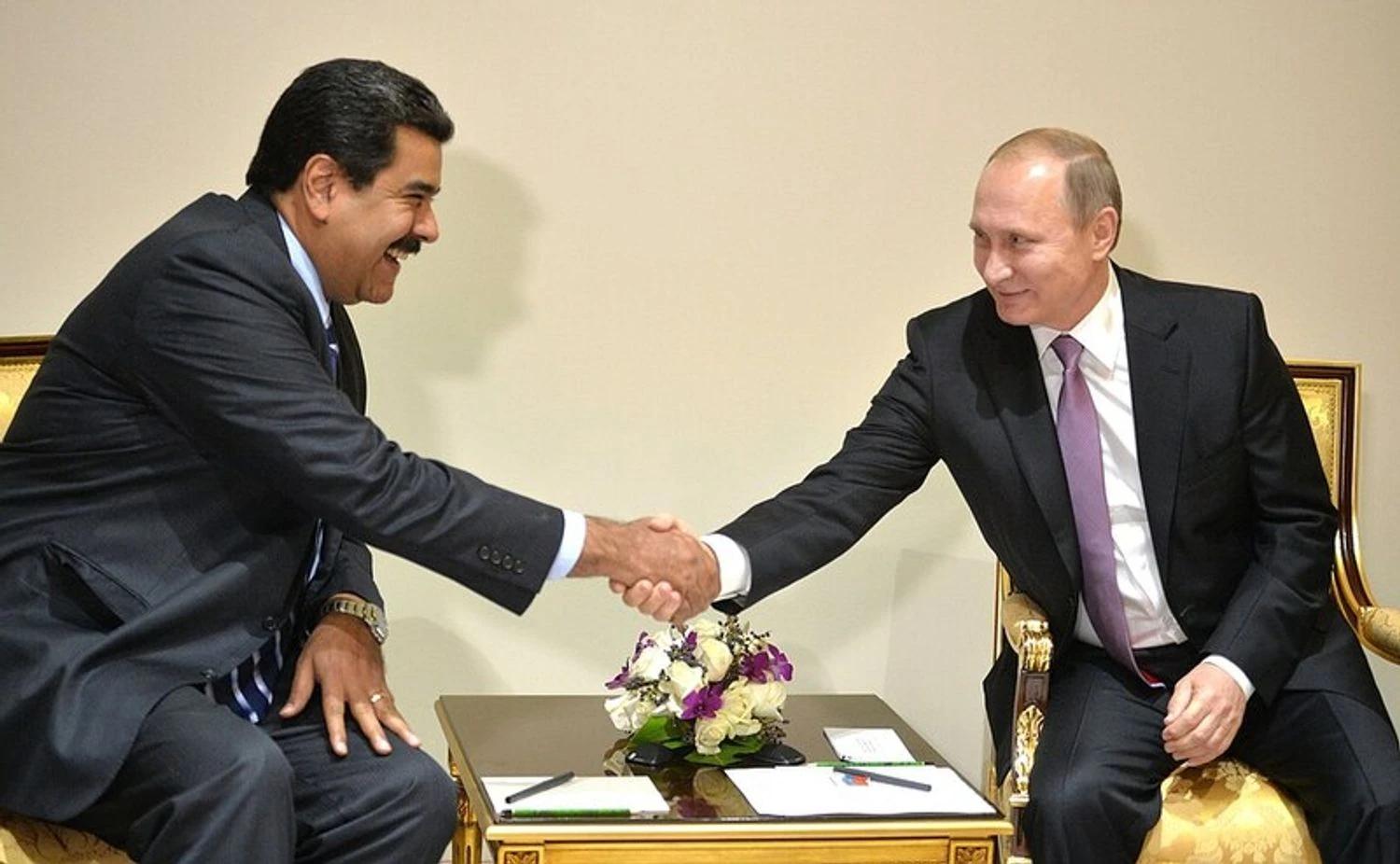
8 outlets told this the same way.
Outlets did split on Brazil Police Kill Suspect After 13 Kindergarteners Held Hostage In Curitiba →
Venezuela Seeks Military Support
Venezuelan President Nicolás Maduro is appealing to Russia, China, and Iran for military assistance to bolster Venezuela’s outdated defenses. This request comes amid what multiple outlets describe as an increased U.S. military presence in the Caribbean. The Washington Post summarizes the core development as a request for military help from all three countries.
“Venezuela’s President Nicolás Maduro is requesting military assistance from Russia, China, and Iran to enhance the country’s outdated defense systems in response to increased U.S. military presence in the Caribbean.”
Букви reports this push as part of strengthening Venezuela's defense capabilities in response to U.S. activities. Folha de S.Paulo adopts a sharper tone, calling Maduro a dictator. EADaily reports that Maduro framed the outreach as countering escalating U.S. aggression in the Caribbean.

Venezuela's Military Requests
According to U.S. government documents cited across outlets, Maduro’s requests include defensive radars, aircraft repairs, and missiles, with letters sent to Vladimir Putin and Xi Jinping. Букви reports Venezuela asked China to accelerate radar-detection production and that Transport Minister Ramón Celestino Velásquez coordinated with Iran on military equipment and drones, including passive detection devices and GPS jammers. EADaily adds that Venezuela sought UAVs from Iran with about 1,000 km range, while Latin Times uniquely notes that Caracas asked Moscow for financing in addition to missiles and upgrades.
Russia-Venezuela Military Relations
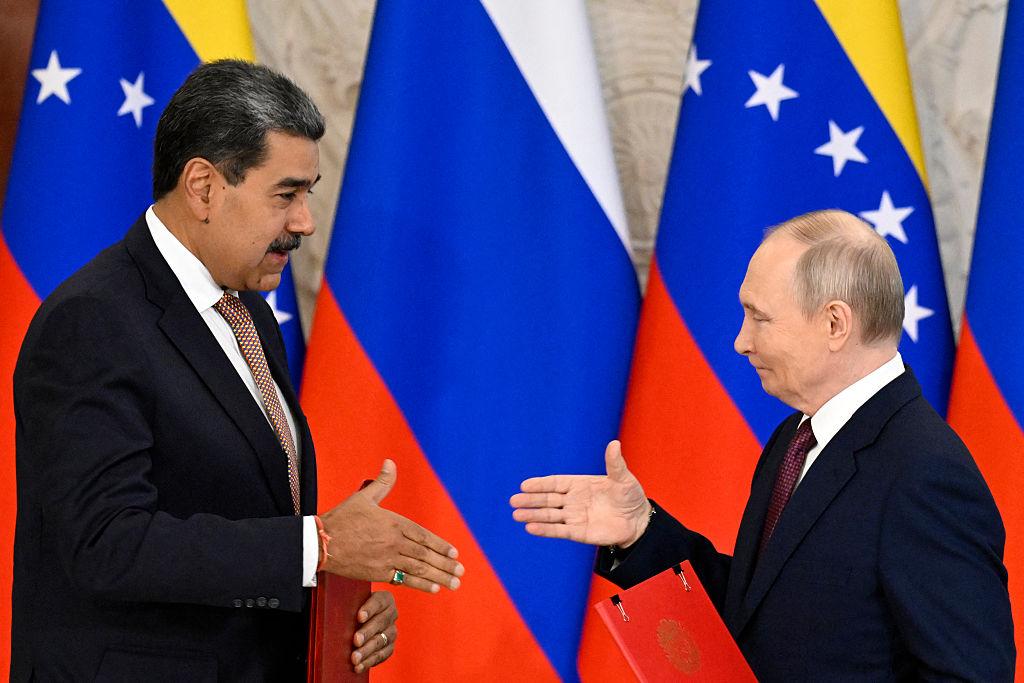
Visible signs of engagement include airlift activity and diplomatic moves. Українські Національні Новини points to the delivery of a Russian Il-76 aircraft to Venezuela. Latin Times notes a Russian military cargo flight to Caracas that coincided with Moscow ratifying a new strategic agreement with Venezuela.
“A recent delivery of a Russian Il-76 aircraft to Venezuela underscores ongoing ties, though analysts believe Russia's ability and willingness to support Maduro may be limited.”
The Kremlin emphasized respect for Venezuelan sovereignty in this agreement. However, Букви cautions that responses from Russia, China, and Iran are not yet clear. Documents indicate growing ties despite the unclear responses.
U.S. Activity in the Caribbean
Outlets differ in how they portray the U.S. context in the Caribbean. Latin Times explains that the U.S. escalation targets drug trafficking operations and reports strikes that have killed at least 61 people since September.
In contrast, Washington Post and Folha de S.Paulo mention an increased U.S. presence or forces but do not provide casualty figures. EADaily reports that Maduro has described this buildup as "escalating US aggression in the Caribbean."
Analysis of Russia-Venezuela Relations
Analysts and media outlets differ on the prospects and implications of Russia's support to Venezuela. Українські Національні Новини and Latin Times both suggest that Russia’s assistance may be limited due to Moscow’s focus on the Ukraine conflict and shifting priorities. They also warn that much of Venezuela’s Russian-supplied military hardware is outdated.
“While Venezuela seeks extensive Russian military assistance and financing, Russia’s support appears limited due to its focus on the Ukraine war and shifting priorities in Latin America.”
Latin Times and Українські Національні Новини further indicate a possible geopolitical advantage for Moscow if U.S. attention is diverted away from Europe and Ukraine. Meanwhile, Букви highlights the growing military ties between Russia and Venezuela, although responses to this development remain unclear. The Washington Post provides a high-level summary without offering these specific assessments.
