USA16 September, 20263 min read
Marco Rubio Announces US Visa Curbs Targeting Some South Africans Over Race-Based Discrimination
Rubio announced visa restrictions targeting South African officials tied to race-based discrimination and land seizures. The policy revokes visas or denies applications for those responsible or complicit in discrimination policies.

Visa Curbs Announced
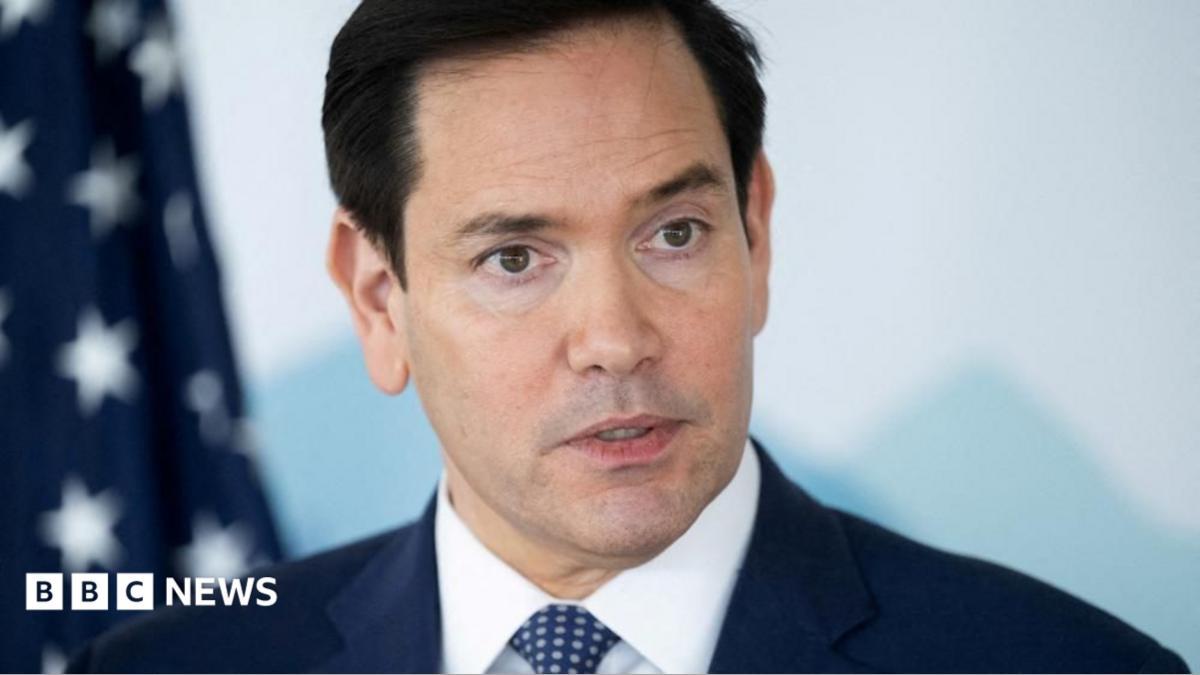
The Trump administration announced new visa restrictions targeting some foreign nationals from South Africa, with U.S. Secretary of State Marco Rubio saying the policy would target people “responsible for, or complicit in, the enactment or implementation of laws or policies that enable uncompensated land seizures, race-based discrimination, and/or the incitement of imminent violence.”
Reuters said Rubio made the announcement on Tuesday as Washington continued to cool ties with Pretoria, criticizing actions aimed at addressing racial inequality and land reform policies.

CNN reported Rubio said the United States was “gravely concerned about racially motivated crime and government-sponsored discrimination occurring against the Afrikaners and other minority populations in South Africa,” and linked the visa restrictions to “uncompensated land seizures.”
The BBC similarly described the move as an escalation between the two countries, saying Rubio stated: “The South African government has not adequately addressed the previously laid out concerns,” while not naming any individuals targeted by the restrictions.
The policy was imposed under a U.S. immigration-law provision allowing the secretary of state to bar foreign nationals whose entry is considered potentially damaging to U.S. foreign policy interests, according to the BBC.
Rubio’s Warnings, Pretoria’s Denial
Rubio said the United States would not allow the targeted behavior to go unchecked, telling CNN that “The United States will not allow such behavior to go unchecked,” and adding that the actions directly undermine “peace, economic stability, and the rule of law.” In the BBC’s account, Rubio said the visa restrictions would target those who promote “race-based discrimination, incite violence, or enable land confiscation without compensation in South Africa,” and he warned the actions undermined “peace, economic stability and the rule of law.” South Africa denied the allegations, with the BBC stating the South African government had repeatedly rejected claims it was persecuting white people or confiscating their land.
CNN reported that after Trump screened videos in the Oval Office, Cyril Ramaphosa said, “Our government policy is completely, completely against what he was saying,” while CNN said it had found no evidence to back up the “genocide” claims. The BBC also quoted the U.S. embassy in Pretoria warning that “This visa restriction policy is only the first step in a series of escalatory measures,” as the South African government had not yet responded to the restrictions.
Refugees, Tariffs, and Next Steps
Alongside the visa curbs, the Trump administration prioritized admitting White South Africans as refugees, with CNN saying “nearly all refugees admitted to the United States would be White South Africans,” and reporting that by late June the U.S. had admitted “more than 7,700 Afrikaners.” The BBC said Trump offered “refuge” to white South Africans fleeing “persecution,” and it described the relationship as on a downward spiral since Trump returned to office early last year, including cutting aid and expelling the South African ambassador. Reuters reported that the visa curb policy did not identify any person by name, while noting Pretoria said there was “no evidence of discrimination or persecution against white people” and that ideas of white racial superiority are a threat to South Africa’s post-apartheid unity.
The BBC added that in August South Africa was hit with “30% tariffs on goods being exported to the US,” the highest rate in sub-Saharan Africa, as tensions continued to worsen. In the Reuters framing, the dispute also included South Africa’s genocide case against Israel at the International Court of Justice, over the U.S. ally’s assault on Gaza, as Washington continued to criticize multiple issues while implementing the visa restrictions.