Iran23 September, 20262 min read
Masoud Pezeshkian Meets António Guterres in New York, Urges Diplomacy Over Nuclear Talks
This article is an automated aggregation of coverage from news outlets. Our editorials offer in-depth analysis curated by the NewsCord team.
Pezeshkian met Guterres in New York to discuss Iran's nuclear program and regional diplomacy. They reaffirmed commitment to diplomacy and regional peace, emphasizing dialogue to resolve issues.
PressTV was read line by line by the Watchdog: 4.7. See the score →
Pezeshkian meets Guterres
Iranian President Masoud Pezeshkian met on Friday in New York with United Nations Secretary-General António Guterres to discuss regional developments, issues related to Iran’s nuclear program, diplomatic efforts, and the need to enhance peace and stability in the Middle East. Pezeshkian told Guterres that “Americans have breached diplomacy three times, causing serious damage to Iran’s confidence in the United States,” and he said Iran’s aim is “to acquire and utilize peaceful nuclear knowledge and technology, not to produce nuclear weapons.”
Pezeshkian asserted that “Iran has not withdrawn from the negotiation table, but after past experiences, we no longer trust the United States,” and he called American and Israeli actions against Iran contrary to the UN Charter and international law, describing them as war crimes. Guterres said Iran has presented solutions to the current situation in recent weeks and reaffirmed that “Iran does not seek to possess nuclear weapons,” while also announcing his intention to visit the region next week and invite all regional countries to support the diplomatic process.

Pezeshkian after UNGA
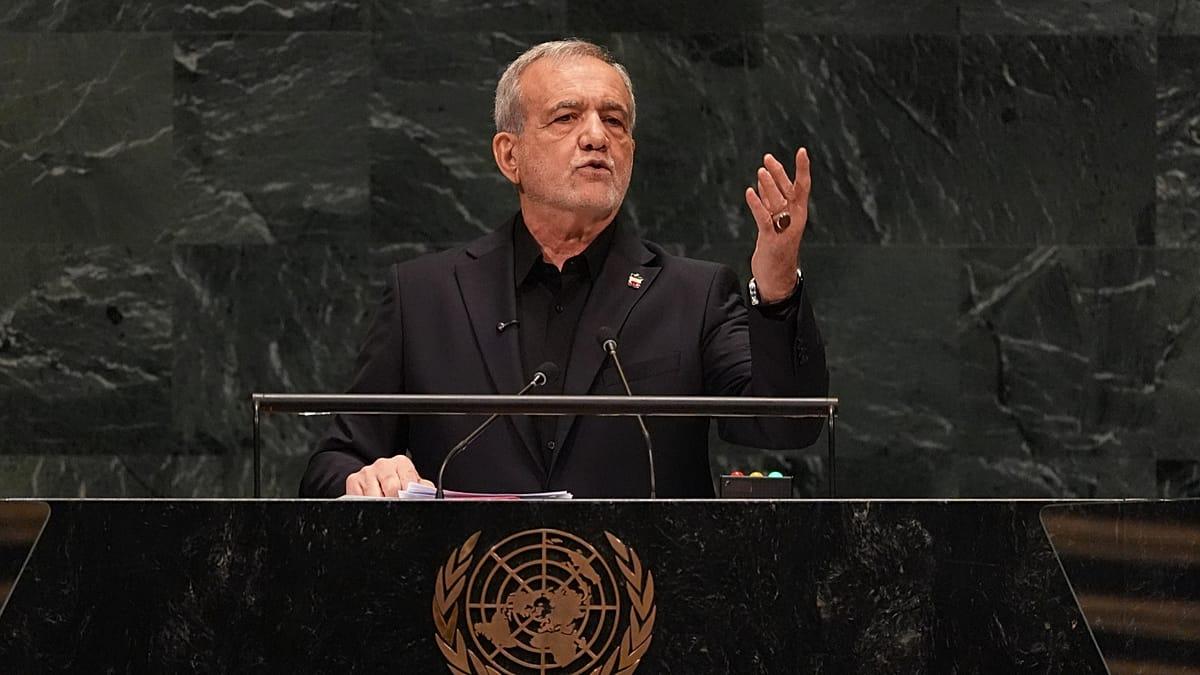
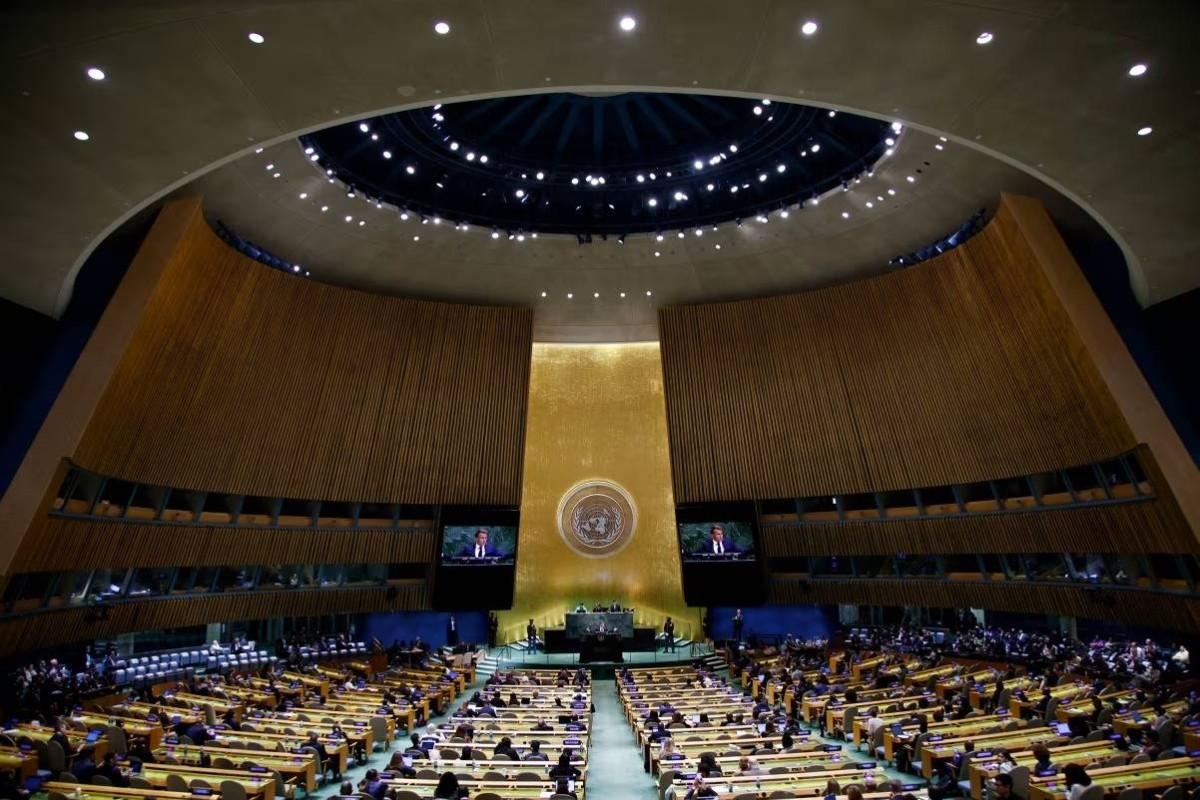
Iranian President Masoud Pezeshkian left New York for Tehran after attending and addressing the 81st UN General Assembly, and he held separate high-profile meetings with leaders including UN Secretary-General Antonio Guterres. Pezeshkian told the assembly that Iran could not allow countries to use the waterway while simultaneously using it to carry out “aggressions upon us,” and he warned against international double standards by saying, “The nuclear weapon is in Israel, but the inspectors are in Iran.”
Pezeshkian also emphasized Tehran’s willingness to pursue diplomacy, telling the assembly, “We are ready for dialogue and diplomacy and negotiations, without accepting the language of force.” On Thursday, Pezeshkian met Pakistani Prime Minister Shehbaz Sharif, who expressed “deep concern” over the US-Israeli aggression against Iran and called for “restraint, de-escalation, and sustained diplomatic engagement.”
Strait of Hormuz stakes
UN Secretary-General António Guterres highlighted the Strait of Hormuz as a matter with global implications, and he said its security is linked to issues such as food security and international economic stability. Guterres also stressed that “We have only our voice and our words,” and he said the United Nations will vigorously support efforts to establish stability and security in the region.
Iranian President Masoud Pezeshkian framed the issue through a broader argument about trust and pressure, saying “Iran has not withdrawn from the negotiation table, but after past experiences, we no longer trust the United States.” Iranian President Masoud Pezeshkian, in his UN General Assembly speech, warned that Iran could not allow countries to use the waterway while simultaneously using it to carry out “aggressions upon us,” linking the Strait of Hormuz to Tehran’s rejection of force and its call for dialogue.