Technology and Science11 September, 20262 min read
Medical Report Links Bouncy Castle Play to Ireland’s Biggest MRSA Outbreak, Hospitalizing 4 Children
This article is an automated aggregation of coverage from news outlets. Our editorials offer in-depth analysis curated by the NewsCord team.
Forty-eight children were affected in Ireland by the bouncy castle–linked MRSA outbreak. Four children were hospitalised with a rare, aggressive MRSA strain.

MRSA linked to play
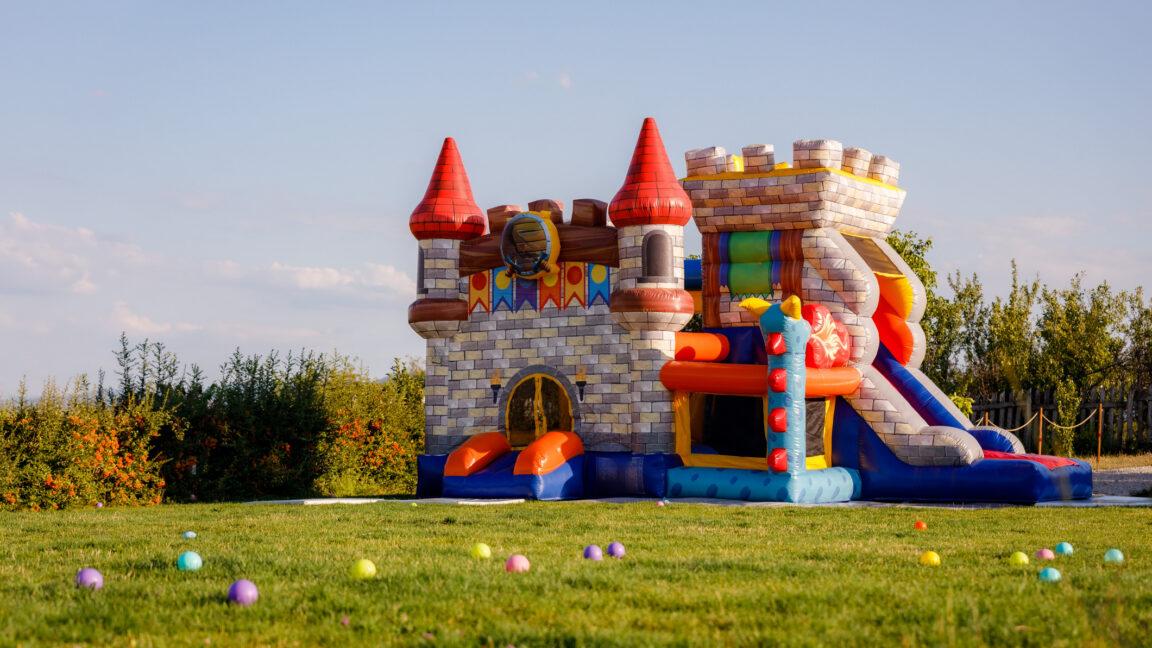
A medical report says 48 children and adolescents developed skin and soft tissue infections after a gathering in the east of Ireland where children played on three bouncy castles on a green area in a suburb in the HSE Dublin and Midlands region last autumn. The report described four children as hospitalised after an outbreak of a rare and aggressive strain of methicillin-resistant Staphylococcus aureus, or MRSA, and said the outbreak was declared over 40 days after the event when two maximum incubation periods had passed without any new case.
RTE.ie said the mechanism had "not been described before in the scientific literature" as bouncy castle play was linked to Ireland's biggest MRSA outbreak last year. The report concluded the outbreak occurred due to close physical contact among children and adolescents playing on the bouncy castles, with conditions on the day described as humid, warm and showery and parents recalling the children were noticeably wet and engaging in "rough-and-tumble" play.
Hospital care and timeline
The outbreak investigation was triggered after doctors became aware of the cluster when 25 other children who had been at the same event sought treatment with unusual skin infections, and an outbreak control team was urgently convened. RTE.ie said the control team involved doctors from various areas of the HSE as well as the National MRSA Reference Laboratory and Children's Health Ireland at Crumlin, and that the event organiser helped doctors identify families and provide a risk assessment. The report said none of the four children admitted to hospital experienced severe outcomes or required intensive care, and that they had an average stay of four days.
Connacht Tribune reported that of the 48 children affected, 33 were treated by their GP while 15 attended a hospital emergency department or day ward, and it said there were no deaths associated with the outbreak. It also said symptoms most commonly began within two to three days of the event, with the legs—particularly the thighs—among the most commonly affected areas.
Strain, response, and risk
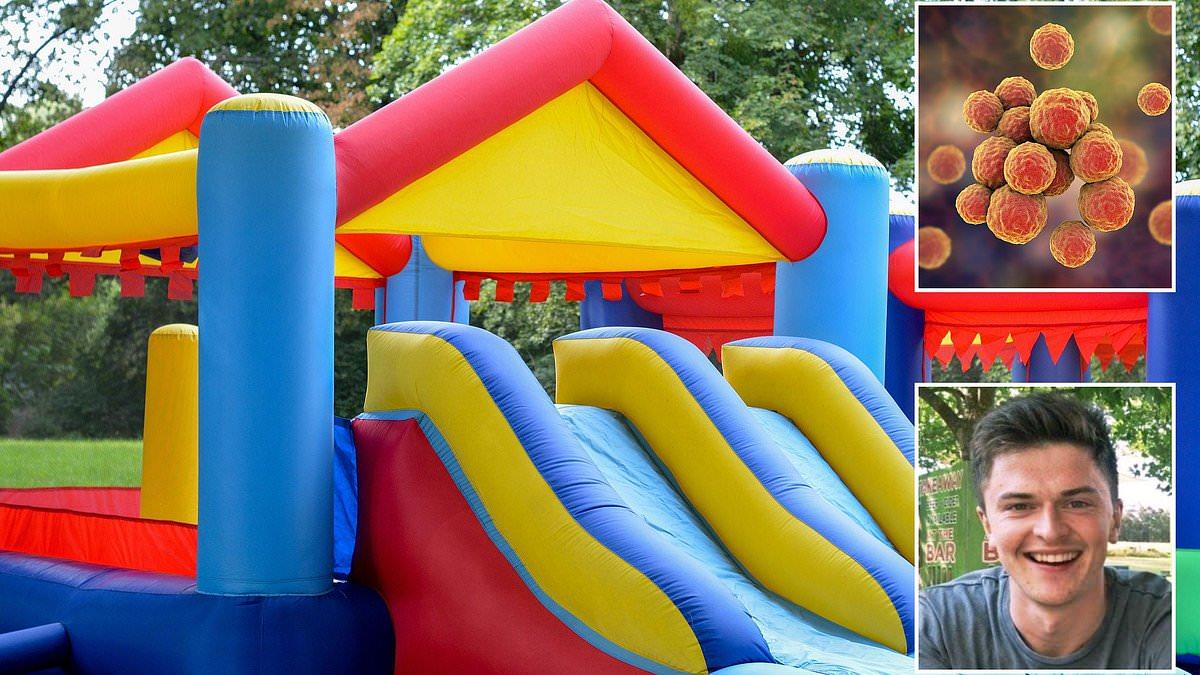
Researchers said testing of confirmed cases identified the same strain of MRSA, known as t016-ST22-MRSA-IV, which was also found to produce Panton-Valentine leucocidin (PVL). The Daily Mail reported that Domhnall McGlacken-Byrne, of the HSE’s Department of Public Health, said it was "an unusual and complex community outbreak" with bouncy castle play being "a novel mechanism for an outbreak of this size." The report said patients were treated with antibiotics, body wash and a nasal ointment, and they were advised to stay away from crèches and schools until their acute symptoms were fully resolved.
It also said the operator of the bouncy castles was advised that the equipment should not be re-used until it was adequately cleaned and disinfected, while a local primary school where most of the cases attended was issued with advice on infection prevention and control measures. Connacht Tribune added that infection-control measures introduced in response included treatment and decolonisation of affected children and decolonisation of household contacts who were not displaying symptoms.