Technology and Science18 August, 20263 min read
Mid-August Update Announces USD $55M Competitive Funding Calls Across Seven Sectors
This article is an automated aggregation of coverage from news outlets. Our editorials offer in-depth analysis curated by the NewsCord team.
55 new funding calls across seven sectors announced USD 55 million in competitive funding available
5 outlets told this the same way.
Funding shifts and new calls
A Mid-August Update described “55 new calls across seven sectors” and said “USD $55M in competitive funding” is available, with eligibility shifting as “Women-led stopped being the theme and became the eligibility.” The same update said a cohort of funders “does not ask whether your work helps women; it asks whether you are a women-led organization, and gates the money accordingly,” citing COSPE’s Inclusive Nissa grant for women’s financial inclusion in Egypt and C3’s EmpowerHer for women-founded climate startups across MENA. It also said the corporate accelerator model is changing, with “the company-backed programs drawing the most founders” advertising they “take none of it,” including Google for Startups offering “up to ZAR R1M of non-dilutive funding” for a South African cohort.
On the research side, the update said “Merck KGaA’s open research grants” and other calls fund “the plumbing of knowledge,” and it highlighted South Africa’s Medical Research Council opening “a national research-enterprise slate.” It further specified Merck KGaA’s 2026 Research Grants as offering “Up to EUR 250,000/year for up to 2 years” and noted a deadline of “August 31, 2026.”
Long COVID and ME budget push
In the U.S., advocates are calling for Congress’s fiscal year 2027 budget to include “new funding for Long COVID and ME,” with MEAction urging senators and representatives to fund the “ME/CFS Research Roadmap.” The Sick Times said a Senate committee overseeing the NIH’s budget is considering including MEAction’s “$50 million proposal in its bill draft,” framing it as a “major leap” for a disease “historically been drastically underfunded compared to its burden.” It also described Long COVID funding opportunities across proposals, including more studies in the NIH’s RECOVER program, additional clinical trials and diagnostic research, research through the Department of Defense, and efforts at ARPA-H that have started incorporating “infection-associated chronic conditions (IACCs).”
The article said federal fiscal year 2027 “actually starts on October 1, 2026,” and that “September 30 is the annual deadline for deciding the next year’s spending,” while Congress often pushes it later in the fall. It quoted Laurie Jones, executive director of MEAction, saying, “Appropriations is the most straightforward way to get dedicated funding for a specific research program within the NIH.”
AHRQ grant cancellations spark backlash
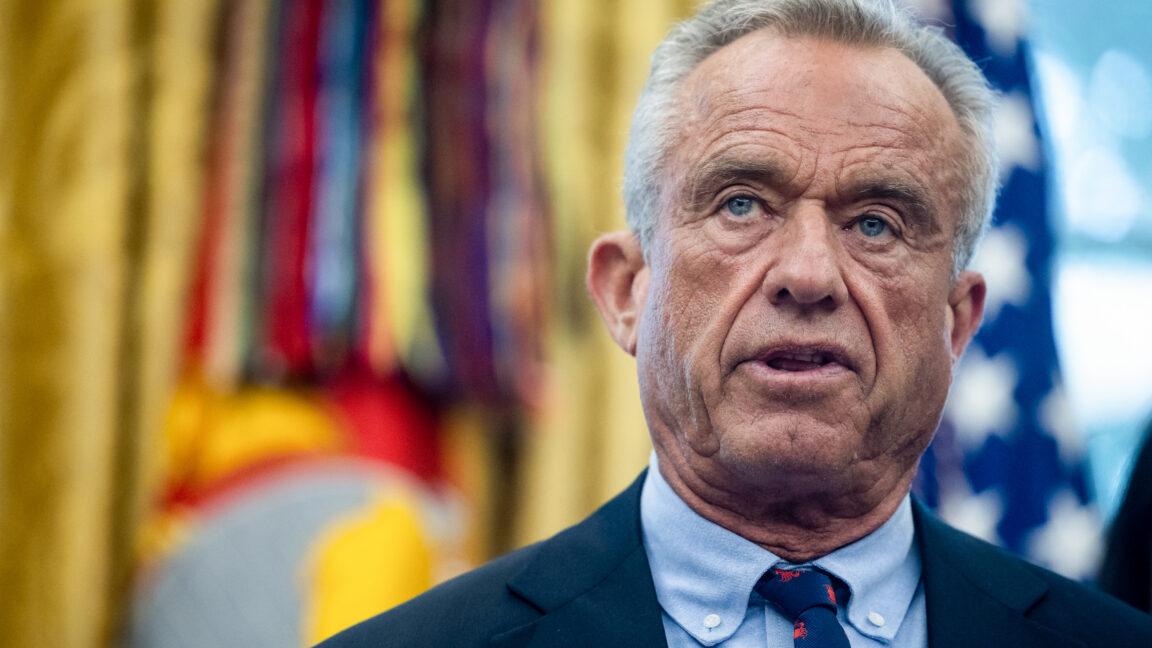
Multiple outlets described a fight over health research funding tied to AHRQ, with MedPage Today reporting that “More than two dozen Democratic senators” called on HHS Secretary Robert F. Kennedy Jr. to rescind “recent mass cancellations of lifesaving health research grants.”
MedPage Today said the senators wrote that the action “has led to the disruption of nearly 200 different research programs across nearly 30 states,” and it quoted their demand: “We demand that you immediately rescind these cancellations.”
Ars Technica added that experts and lawmakers blasted RFK Jr. for destroying healthcare research, saying AHRQ is “on the brink,” and it reported that AHRQ sent grant cancellation letters to “around 150 researchers” in July.
Ars Technica also stated that “More than 100 research grants collectively worth over $250 million have been canceled,” while Congress appropriated “$345 million for the 2026 fiscal year” and “only $15 million” had gone to grants so far.
Together, the coverage portrayed a near-term research shutdown across “over 30 states,” with scientists “halted research, laid off staff, shut down programs, and stopped pursuing new lines of research.”