Iran22 September, 20262 min read
Mohammad Bagher Ghalibaf Says Iran Can Strike Any Target It Chooses With Missiles
This article is an automated aggregation of coverage from news outlets. Our editorials offer in-depth analysis curated by the NewsCord team.
Iran can strike any target it chooses with its missiles. IRGC says it will change weapons and targets if U.S. attacks resume.
7 outlets told this the same way.
Outlets did split on Iran Reviews US Negotiation Proposals As Pakistan And Qatar Mediate Strait Of Hormuz Dispute →
The Jerusalem Post was read line by line by the Watchdog: 2.9. See the score →
Ghalibaf: Any Target
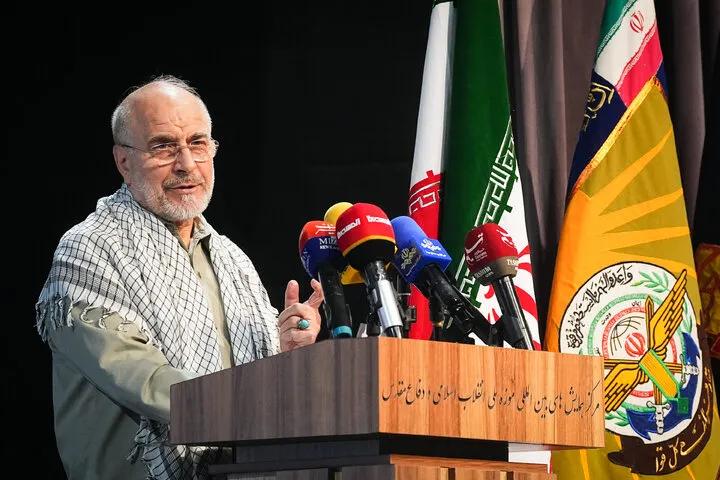
Iranian Parliament Speaker Mohammad Bagher Ghalibaf said Iran has reached a point where it can strike “any target it chooses” with its missiles, framing the claim around decades of military development. Ghalibaf said that during the Iran-Iraq War, Iran faced severe restrictions on access to military equipment, including that even barbed wire was difficult to obtain and that artillery range was limited to around 14 to 15 kilometers.
Ghalibaf added that artillery shells were rationed at the time and said that experience contributed to Iran’s defense capabilities, leading to a stage where the country can target any location it chooses with its missiles without restrictions. Ghalibaf also said Iran would not surrender in the “hybrid war” involving military, economic, media and diplomatic pressure, and he said Iran would continue operating and respond with strength.
Deterrence and Trump
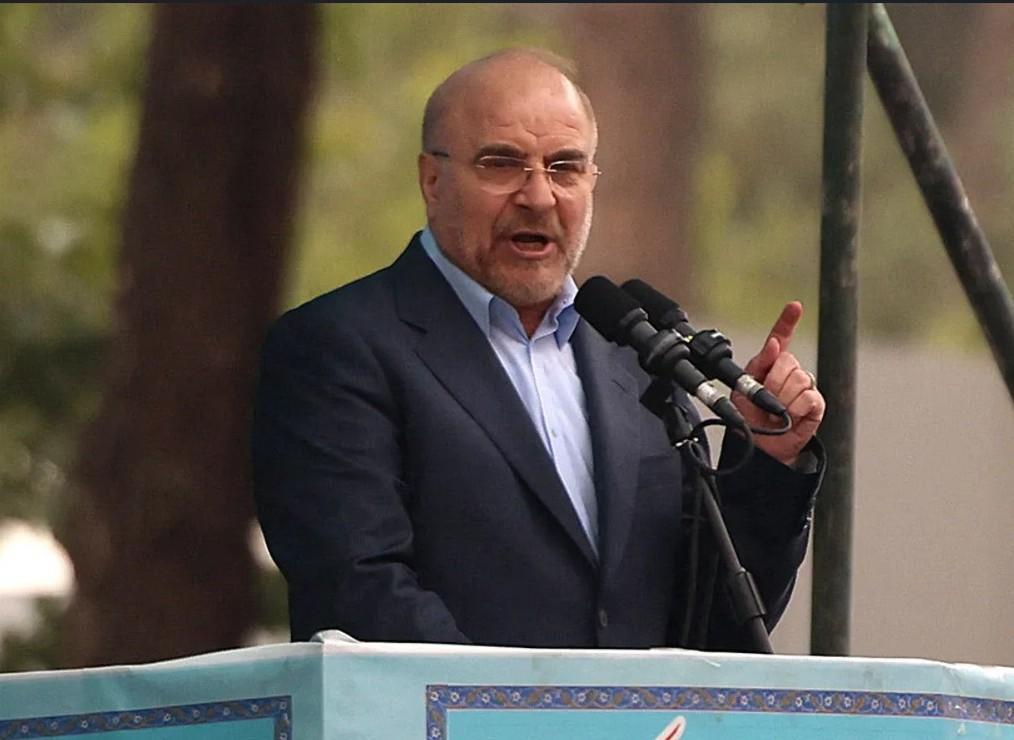
Qalibaf said at a ceremony honoring veterans of Iran’s Sacred Defense that Iran’s military capabilities have reached a level enabling it to target any point it chooses with its missiles without limitations. Qalibaf told US President Donald Trump that Trump “cannot impose his power on the Iranian nation and Armed Forces,” and he described Iran as facing a “historic civilization and a national and religious resistance.”
Qalibaf said, “We will never surrender, and we will not shut down the country,” and he said Iran would respond with power and render the enemy incapable in all arenas. Qalibaf also said, “Let the enemy know that negotiations are also an arena of struggle,” and he argued that diplomacy does not mean surrender but rather “turning the power of the battlefield into a political achievement.”
New Weapons, New Geography
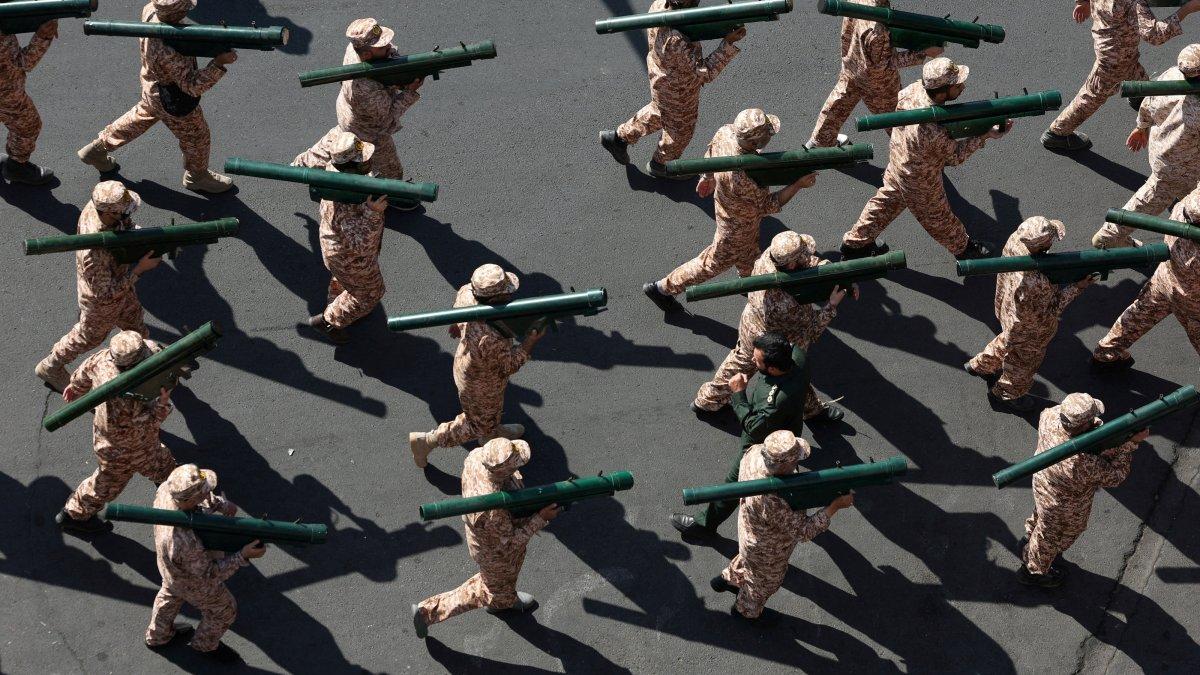
Iran’s Revolutionary Guards warned that they would strike new targets and deploy new weapons if the U.S. launches further attacks, with IRGC spokesperson Hossein Mohebbi telling Fars that “If a new aggression occurs, we will certainly change the weaponry and the geography of the war.” Mohebbi said Tehran was prepared for a prolonged conflict and added that “the world will be surprised,” while he said “Our targets will not necessarily be the same as before either.”
The Jerusalem Post reported that Mohebbi told Fars News that Israel and the US were already “defeated in this war,” and it cited his claim that one area of the US defeat was its failure to reopen the Strait of Hormuz. Tehran Times said Iran’s Khatam al-Anbiya Central Headquarters warned the US and regional countries that any US military action would be met with sustained, effective and painful attacks on American positions and interests throughout the region.