Iran21 August, 20263 min read
Mohammad Bagher Ghalibaf Tells Baghdad Business Leaders Iran Must Overcome Unjust U.S. Sanctions
This article is an automated aggregation of coverage from news outlets. Our editorials offer in-depth analysis curated by the NewsCord team.
Trump vows "economic D-Day" to cripple Iran's economy, prompting Tehran to respond Iran will plan to dampen sanctions' impact and seek relief in talks
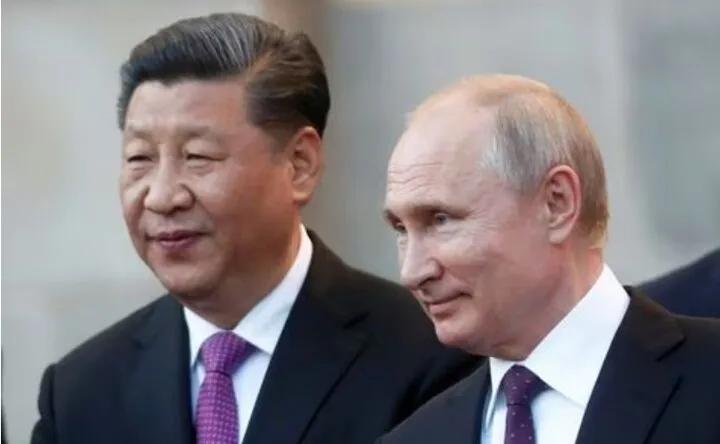
8 outlets told this the same way.
Outlets did split on Iran Reviews US Negotiation Proposals As Pakistan And Qatar Mediate Strait Of Hormuz Dispute →
France 24 was read line by line by the Watchdog: 1.4. See the score →
Tehran in Baghdad
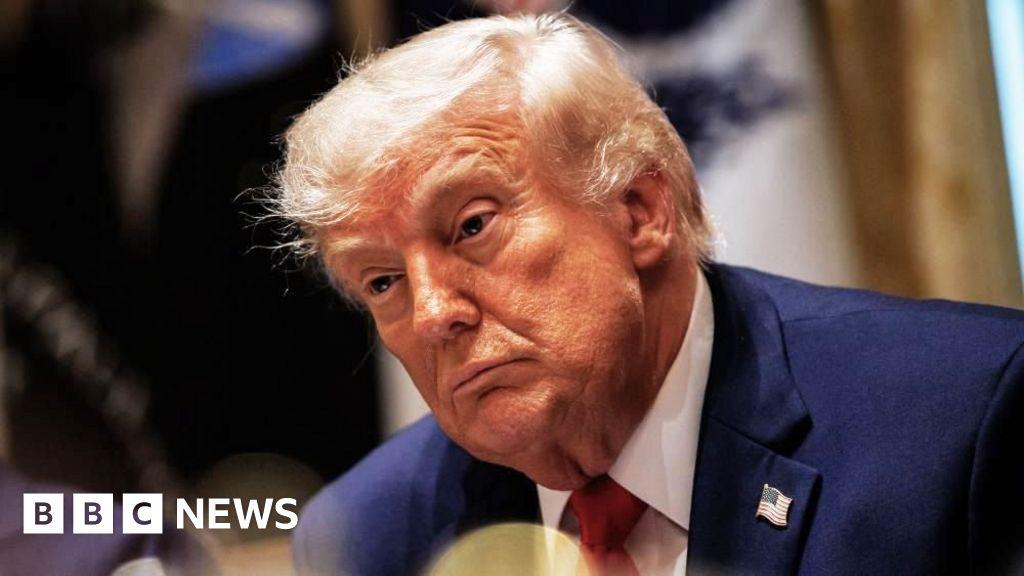
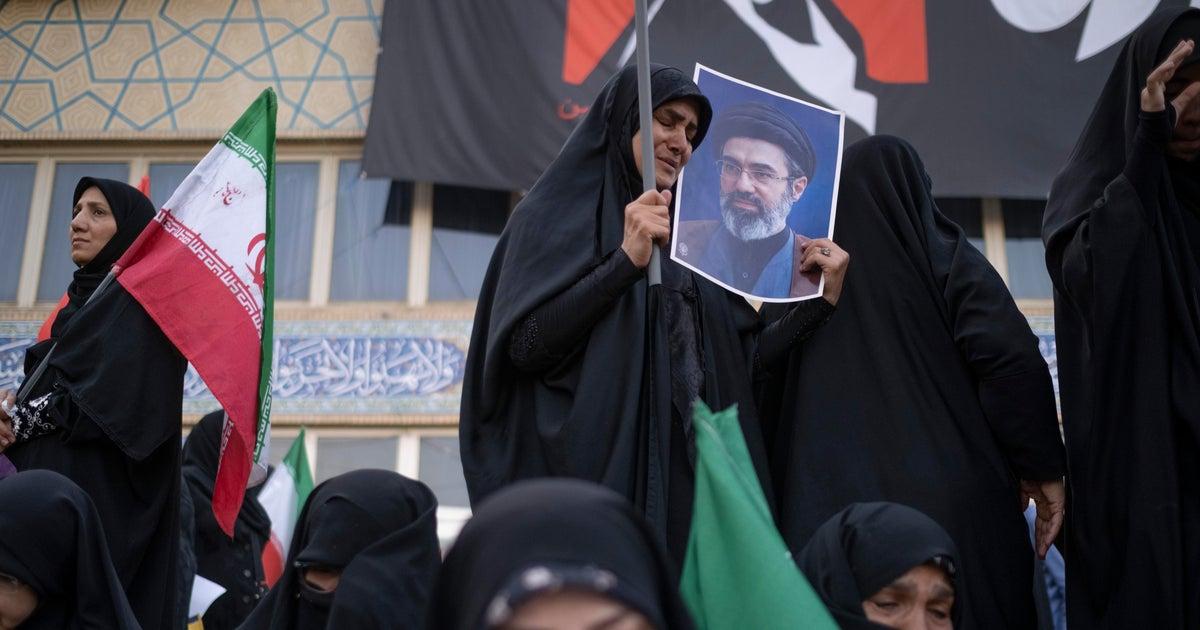
Mohammad Bagher Ghalibaf, the lead negotiator in talks with the United States, told a gathering of Iranian and Iraqi business representatives in Baghdad that Iran must plan for the “unjust” U.S. sanctions, saying, “We must plan for the unjust sanctions so that we can overcome them.” The comments came after President Trump vowed an “economic D-Day” against Iran, with the New York Times describing the remark as one of Tehran’s most direct acknowledgments that sanctions were hurting and needed to be managed. The United States also urged allies and China to join its campaign to isolate Iran’s economy, with France 24 reporting Washington vowed it would “collapse this regime” in Tehran.
France 24 added that Iran branded the U.S. threats as “economic terrorism” and said they would fail, as the Trump administration sought to intensify pressure amid a stalemate in the war. Treasury Secretary Scott Bessent said he would reveal more details during a press conference on Monday, while also echoing the warning that “Any remaining tie to Tehran will hasten a nation’s economic oblivion.”
Quotes and competing frames
Vice President JD Vance described the war as entering a “new phase” where economic pressure is the “most effective” tool available, saying, “We're going to keep that going because we think that's the best way to ultimately achieve the final objective here.” The BBC reported that the exact mechanics of the new U.S. economic pressure campaign remain unclear, while Treasury Secretary Scott Bessent told CNBC, “You are either with us or against us,” in a warning to countries doing business with Iran. Iran’s Foreign Minister Abbas Araghchi dismissed the “Economic D-Day” as a diversion, writing on X that it was “a diversion from America's own crisis: unprecedented debt & surging interest costs.”
France 24 also quoted the Iranian foreign ministry blasting the U.S. threats as “economic terrorism” and “crimes against humanity,” saying the sanctions targeted “the fundamental human rights of every Iranian citizen.” The BBC further reported that sanctions experts said Iran has proved adept at using irregular channels to circumvent sanctions, with Mohammed Hammouda saying, “Whatever sanctions one does, they find a new road [around it].”
What’s at stake next
The BBC framed the central question for Washington as whether further sanctions can work where other strategies have failed, noting that prospects of a military victory or negotiated settlement were “growing dimmer” nearly six months after Trump vowed a swift victory over Iran. Michael Parker, an expert on economic sanctions, told the BBC the new strategy would likely “expand the economic blast radius” by targeting third countries whose economies depend on the U.S. dollar, while warning that the lever would reach “anything touching the US dollar that is also touching Iran.” France 24 reported that the United States had not set out the measures it was planning, but said Bessent would give more details during a press conference on Monday as Washington pressed allies and China to join the isolation campaign.
The New York Times added that the United States has already imposed sanctions on Iran’s economy and leadership and suggested officials were preparing measures to target countries that buy Iranian oil. In parallel, the BBC said Operation Economic Fury combines US Treasury-coordinated sanctions against regime financial flows and a naval blockade against Iranian ports, while Iran’s capacity to adapt to “immense economic and military pressure” remained a key part of the uncertainty around how much the “economic D-Day” could hurt Iran.