Iranupdated 27m ago3 min read
MapMohsen Rezaee Warns Baghdad Against Foreign Interference in Iran-Iraq Security Talks
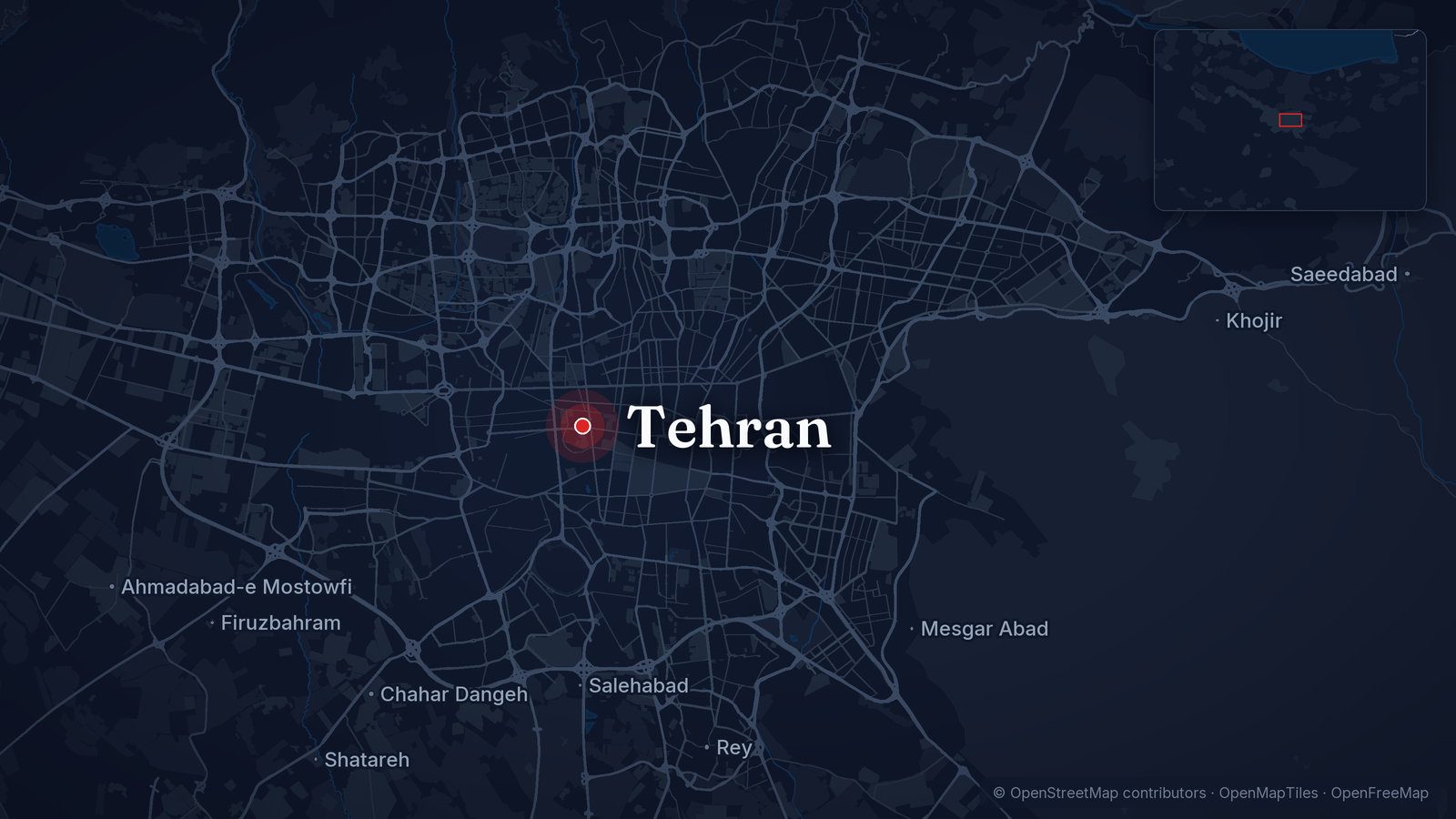
5 West Asian1 Israeli1 Other1 Western MainstreamMap: © OpenStreetMap contributors, ODbL · Cropped for layout
This article is an automated aggregation of coverage from news outlets. Our editorials offer in-depth analysis curated by the NewsCord team.
Mohsen Rezaee says foreigners must not impact Iran-Iraq security and economic cooperation. Baghdad-Iran talks emphasize full implementation of the security agreement and border security cooperation.
Save coverage image
The Jerusalem Post was read line by line by the Watchdog: 0.0. See the score →
Tehran warns Baghdad
Iran’s Supreme National Security Council Secretary Mohsen Rezaee met Iraqi National Security Advisor Qasim al-Aboodi in Tehran and called for the full implementation of the security agreement between Iran and Iraq while warning against allowing foreign parties to negatively affect bilateral relations. Rezaee told al-Aboodi that Iraq, as an independent, strong, and advanced state, can constitute “one of the pillars of new security arrangements in the region,” and he stressed the need to develop bilateral cooperation away from external interference. Mohammad Mokhber, an adviser to Iran’s Supreme Leader and former acting Iranian president, warned Baghdad against allowing its borders to be used by “movements by Iran’s enemies,” urging Iraq to exercise caution on border issues.
Iraqi National Security Adviser Qasim al-Aboudi affirmed Iraq’s commitment to implementing the security agreement comprehensively, within the framework of enhanced coordination and cooperation between the two countries. The talks came as Iran issued warnings to Baghdad against engaging in American policies, coinciding with high-level security talks between Iraqi and Iranian officials addressing border issues, counter-terrorism, and smuggling.
Border closures and leverage
Iraqi National Security Adviser Qasim al-Aboudi arrived in Tehran on Saturday as Prime Minister Ali al-Zaidi’s envoy for talks with Iranian officials, as his office said, while an adviser to Iran’s supreme leader warned Baghdad against carrying out Washington’s policies on its borders.
Mohammad Mokhber urged Baghdad to remain vigilant at its borders so it would not become “a tool in the hands of the enemies of Islam” or carry out the policies of U.S. President Donald Trump.
Iraqi government spokesperson Haider al-Aboudi defended Baghdad’s campaign against oil smuggling and told Rudaw that Baghdad saw no crisis in its relations with Erbil.
Hassan Rostamzad, deputy governor of Iran’s western Kermanshah province for economic affairs, said Friday that around 300 trucks bound for Iraq had been redirected to other crossings following the suspension of commercial activity at the Sheikh Saleh crossing opposite Halabja province.
The planned visit came two days after Iraqi border forces announced the closure of two Kurdistan Region-administered crossings, one with Iran in Halabja province and another with Syria.
Strait of Hormuz stance
Iran’s Army Commander, Major General Amir Hatami, said the Strait of Hormuz will remain closed until Iran’s conditions are met, speaking during a ceremony related to the Navy’s strategic force. Tasnim reported that Hatami praised the navy’s role in closing the strategic waterway and said the armed forces were ready to defend Iran’s territories and national unity. Hatami stated that Iranian naval forces faced what he described as arrogant powers in the Strait of Hormuz, the Gulf, and the Sea of Oman, and he said they exposed those powers’ weakness and inability to cope with developments in the vital waterway.
The Jerusalem Post said Hatami warned that “The Strait of Hormuz shall remain closed until Iran’s conditions are met,” attributing the remarks to Tasnim News Agency. Euronews linked the warnings to the wider confrontation between Iran and the United States, saying the statements gained particular importance because the Strait of Hormuz plays a vital role in global energy trade.