Technology and Science25 October, 20253 min read
More Than 60 Countries Sign UN Cybercrime Treaty Despite Rights Groups Warning of State Surveillance Expansion
This article is an automated aggregation of coverage from news outlets. Our editorials offer in-depth analysis curated by the NewsCord team.
Over 60 countries signed the first-ever UN treaty to combat global cybercrime. The treaty targets crimes like phishing, ransomware, online trafficking, and hate speech.

6 outlets told this the same way.
UN Global Cybercrime Treaty
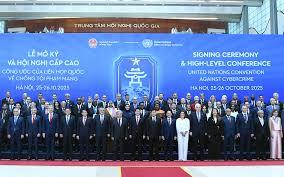
More than 60 countries signed the UN’s first global treaty on cybercrime at a ceremony in Hanoi. Officials framed the treaty as an urgent response to sophisticated scams harming families, migrants, and the global economy. The convention was initially proposed by Russia in 2017 and approved last year.
“Over 60 countries signed the UN's first treaty targeting cybercrime, aiming to combat online criminal activities.”
UN Secretary‑General António Guterres hailed it as an important milestone. However, rights groups and tech firms warned that its broad language could enable expanded state surveillance and cross‑border repression.

Vietnam’s role as host drew added scrutiny due to its strict controls on online expression. This fueled fears that implementation in countries with poor human‑rights records could undermine digital freedoms.
Digital Crime Treaty Overview
The treaty is designed as a tool to enhance cross-border cooperation against a broad range of digital crimes. Sources mention different priorities within the treaty's coverage. The scope includes general references to online criminal activities and scams as well as specific issues like child exploitation, money laundering, phishing, ransomware, online trafficking, and hate speech.
Arab News reports that the accord will take effect once ratified. NST Online states that the treaty requires 40 ratifications to come into force and notes that the UN Office on Drugs and Crime led the negotiations.
These details are not mentioned by SCMP or Daily Times. Guterres emphasized that this treaty is only the beginning and that its real-world impact will depend on how it is implemented.
Concerns Over Digital Treaty Risks
Civil liberties concerns are a consistent theme across various sources, though they emphasize different dangers. SCMP and Arab News warn that the treaty’s broad language could lead to abuses of power, expanded surveillance, and cross-border repression. NST Online highlights that companies like Meta and Microsoft fear vague definitions might criminalize ethical hackers.
The UN Office on Drugs and Crime (UNODC) argues that the treaty includes safeguards and supports legitimate research. Daily Times points out the risk that implementation in countries with poor human rights records, such as host Vietnam, known for strict controls on online expression, could undermine digital freedoms.
International Treaty and Controversies
Geopolitically, the accord draws backing across rival blocs even as its origin and venue raise questions. SCMP and Arab News both underline that Russia proposed the convention in 2017. Arab News and NST Online sketch an attendee list spanning likely participation by Russia, China, and allies, alongside EU, US, and Canadian diplomats.
Daily Times underscores that Vietnam’s selection as host—amid online censorship and repression of dissent flagged by other outlets—was controversial. This controversy sharpens debates over whether the treaty could facilitate cross‑border repression or normalize surveillance practices in restrictive states.
Global Cybercrime Impact and Response
The stakes are framed variously by different news sources. SCMP stresses the human toll of scams on families and migrants. NST Online quantifies the economic damage caused by cybercrime at trillions annually.
“At the opening ceremony in Hanoi, Vietnam, a speaker highlighted the severe impact of sophisticated scams on families, migrants, and the global economy, calling for a coordinated international response.”
Arab News catalogs severe cybercrimes ranging from child exploitation to money laundering. Daily Times references the release of 64 South Koreans from cybercrime detention in Cambodia to illustrate the region’s enforcement backdrop.
Together, these angles explain why many states signed despite civil‑liberties alarms. Critics fear that vague provisions could entrench surveillance and repression under the banner of international cooperation.